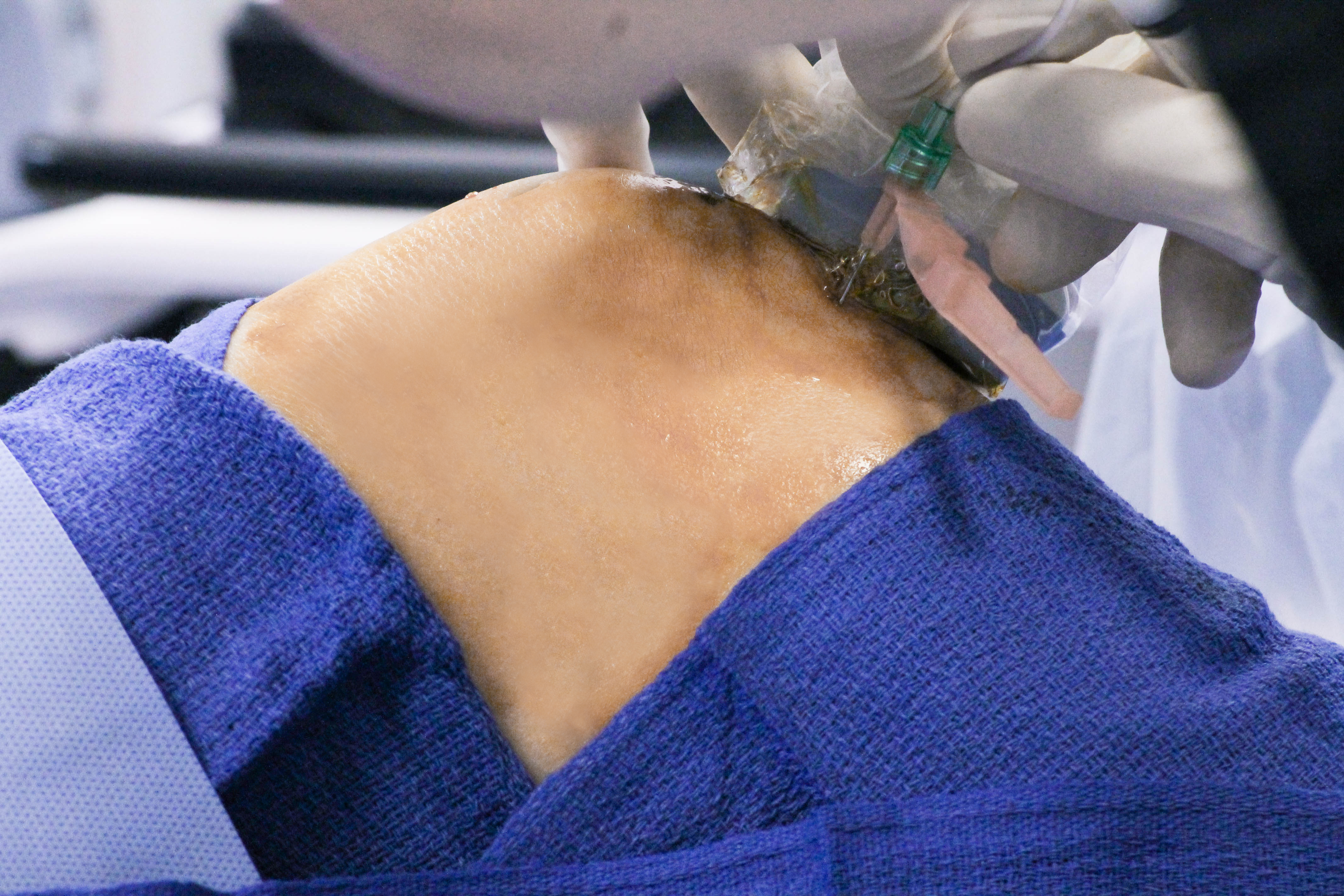
Orthopedist Marcelo Filardi said the primary causes of knee pain during a recent appearance on the Jovem Pan Saúde program [1].
Understanding these triggers is critical for preventing long-term mobility loss and ensuring patients seek professional medical intervention before permanent damage occurs.
Filardi said knee pain often stems from a combination of mechanical and biological factors. Overload is a primary driver, occurring when the joint is subjected to more pressure than it can support [1]. This stress can lead to acute injuries or chronic inflammation, both of which disrupt the smooth operation of the joint [1].
Cartilage wear is another significant cause of discomfort. As the protective tissue in the joint degrades, the resulting friction leads to pain and stiffness [1]. Filardi said that while some pain may be manageable at home, professional evaluation is essential for an accurate diagnosis [1].
Earlier this year, reports highlighted the importance of distinguishing between symptoms that can be treated with home care and those requiring a specialist [2]. The guidance suggests that persistent pain or sudden instability should prompt an immediate visit to an orthopedic clinic [2].
Preventative measures focus on reducing overload and maintaining joint health through targeted activity. Filardi said that identifying the specific cause—whether it be an inflammatory response or structural wear—determines the treatment path [1]. Proper diagnosis prevents patients from applying incorrect treatments that could exacerbate the condition [1].
“Overload is a primary driver, occurring when the joint is subjected to more pressure than it can support.”
The emphasis on distinguishing between temporary inflammation and structural cartilage degradation highlights a shift toward preventative orthopedics. By identifying 'overload' early, patients can adjust physical activity to avoid the irreversible joint wear that often leads to surgical intervention in later life.


