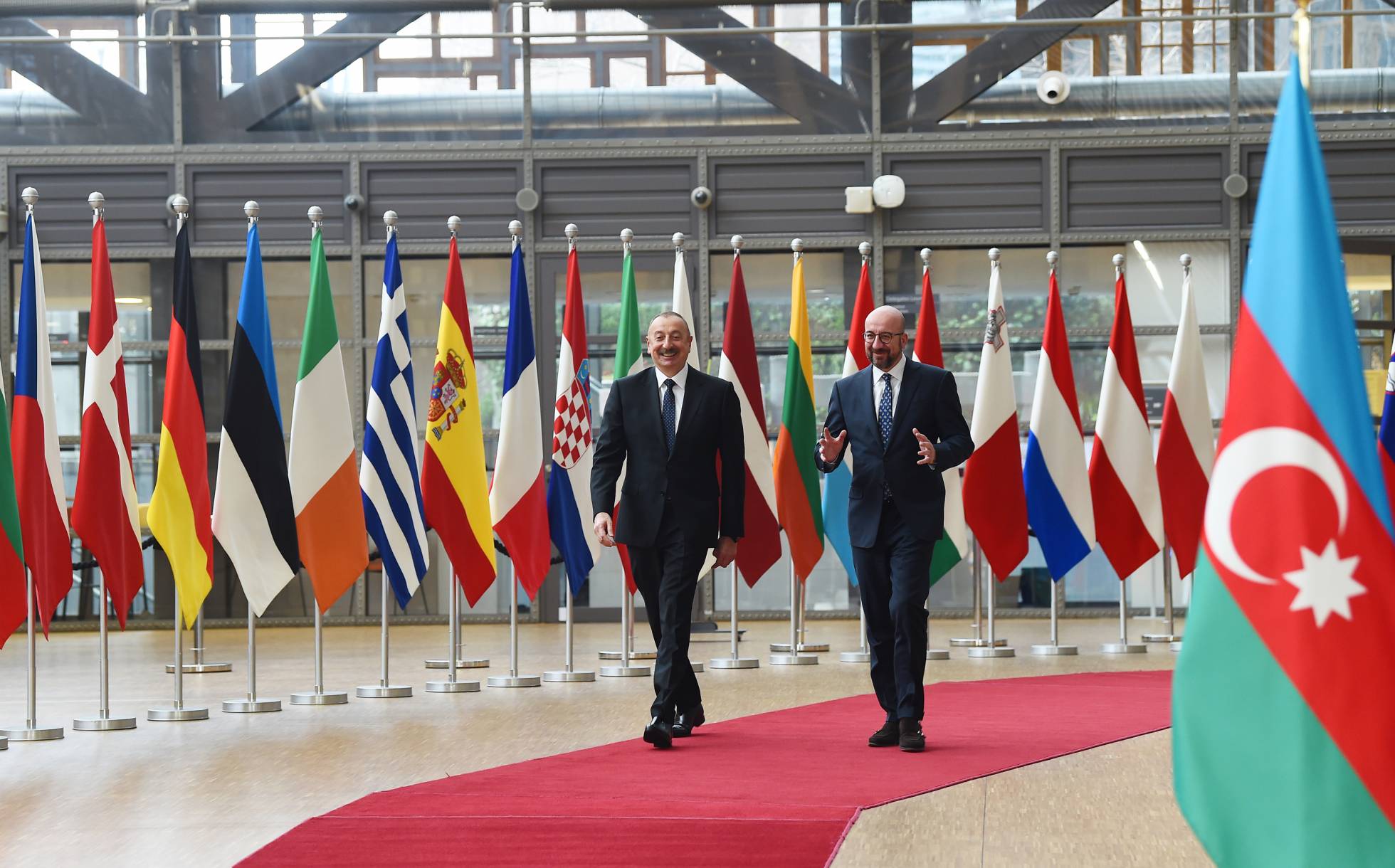
Leaders from the European Union’s 27 member states met for a dinner in Brussels on Thursday to discuss a new trade strategy [1].
The meeting signals a critical pivot in how the bloc manages its economic relationship with China. As trade imbalances grow, the EU is seeking a unified response to perceived economic threats that could destabilize internal markets [1], [2].
The gathering focused on formulating a new approach to trade that balances economic growth with security concerns. EU leaders are attempting to synchronize their policies to prevent individual member states from being singled out or undercut by Chinese economic maneuvers [1].
This diplomatic push comes amid a complex landscape where political tensions and corporate interests often diverge. While governments express concern over trade deficits and market access, some private sector entities remain optimistic about the Chinese market [2].
Data indicates that approximately 35% of surveyed EU firms reported a positive outlook despite the rising tensions with China [2]. This divide suggests that a unified trade strategy must navigate the conflicting needs of state security, and corporate profitability.
The Brussels meeting serves as a precursor to more formal policy shifts. By aligning the 27 member states, the EU aims to leverage its collective bargaining power to demand fairer trade terms, and address the surge of exports from China [1], [2].
“EU leaders are attempting to synchronize their policies to prevent individual member states from being singled out.”
The EU is attempting to transition from a fragmented collection of national trade policies to a centralized economic bloc. By addressing China as a strategic competitor rather than just a trading partner, the EU is signaling a shift toward 'de-risking' its economy. However, the disconnect between government caution and the optimism of nearly 35% of EU firms suggests that internal friction may hinder the implementation of a strict trade strategy.


