
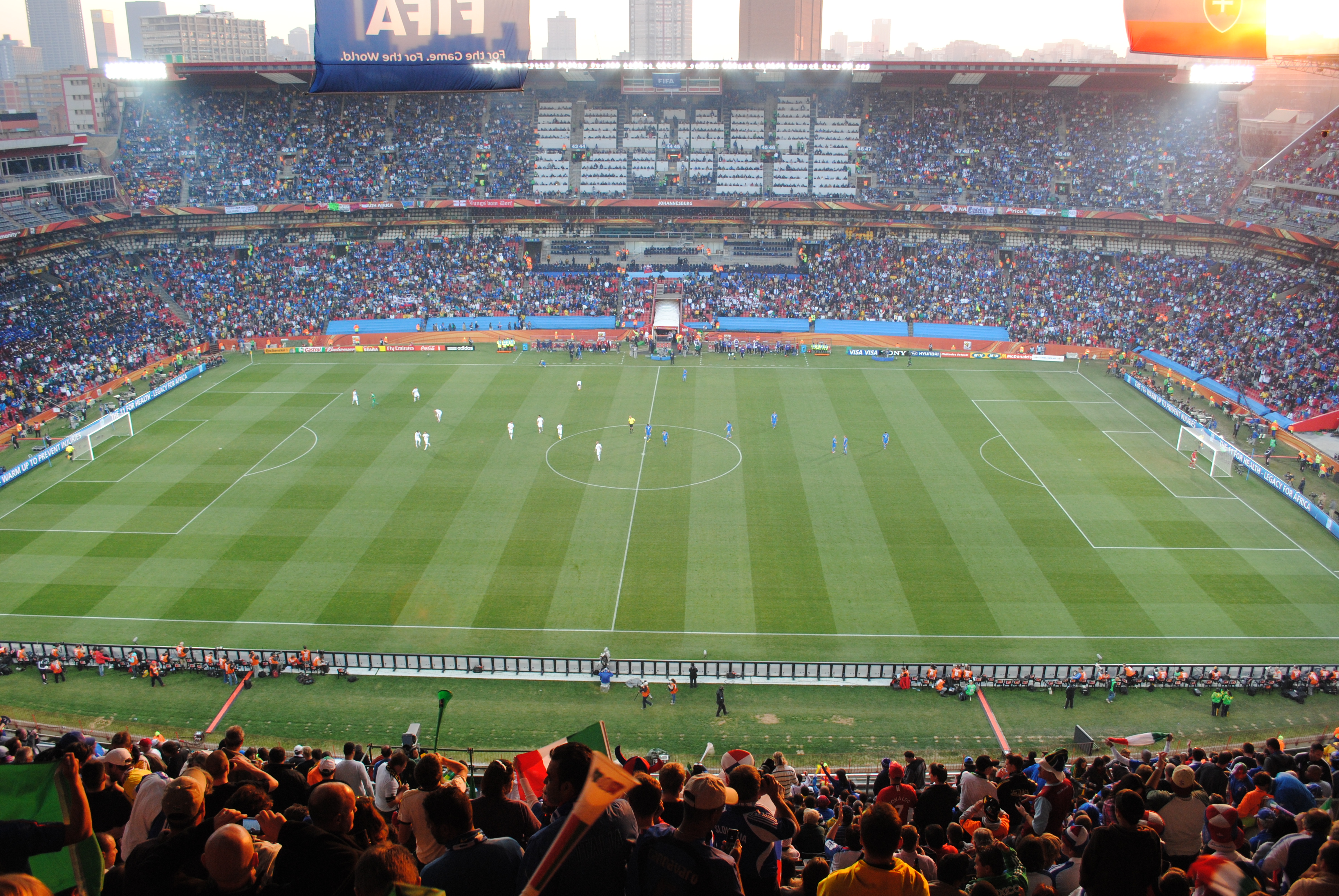
FIFA is managing a financial cycle for the 2026 World Cup that exceeds $11 billion [1].
The scale of these movements matters because the complexity of the funding pathways creates significant gaps in public oversight. As the governing body prepares for the next tournament, the lack of clear visibility into where these funds are directed prompts concerns regarding the ultimate destination of the money.
According to a report by Al Jazeera Arabic, billions of dollars are moving through multiple pathways within FIFA's global financial structure [1]. The organization operates as the central hub for these transactions, which are tied to the massive revenue and expenditure cycle of the 2026 event.
These financial flows involve various channels that distribute funds across different sectors of the sport's administration. The report said that the sheer volume of capital, surpassing $11 billion [1], makes the tracking of individual transactions difficult for external monitors.
FIFA has not provided a detailed public accounting of these specific pathways in response to the reported concerns. The movement of funds through diverse channels often complicates the process of auditing how much money reaches grassroots football versus administrative overhead.
Because the 2026 World Cup involves multiple host nations and vast commercial contracts, the financial infrastructure is more expansive than previous cycles. This growth in capital has outpaced the transparency measures currently in place within the organization's financial system [1].
“Financial cycle for the 2026 World Cup exceeds $11 billion”
The focus on these financial pathways suggests a continuing struggle between FIFA's massive commercial growth and its obligations for transparency. When funds move through 'multiple pathways' in a system exceeding $11 billion, it increases the risk of financial opacity, which has historically been a point of contention for international sports regulators.


