FIFA and World Cup organizers have issued safety warnings as temperatures exceeding 100 °F [1] impact matches across the United States.
The extreme weather creates immediate health risks for athletes and spectators, forcing officials to implement emergency cooling measures to prevent heat-related illnesses during the tournament.
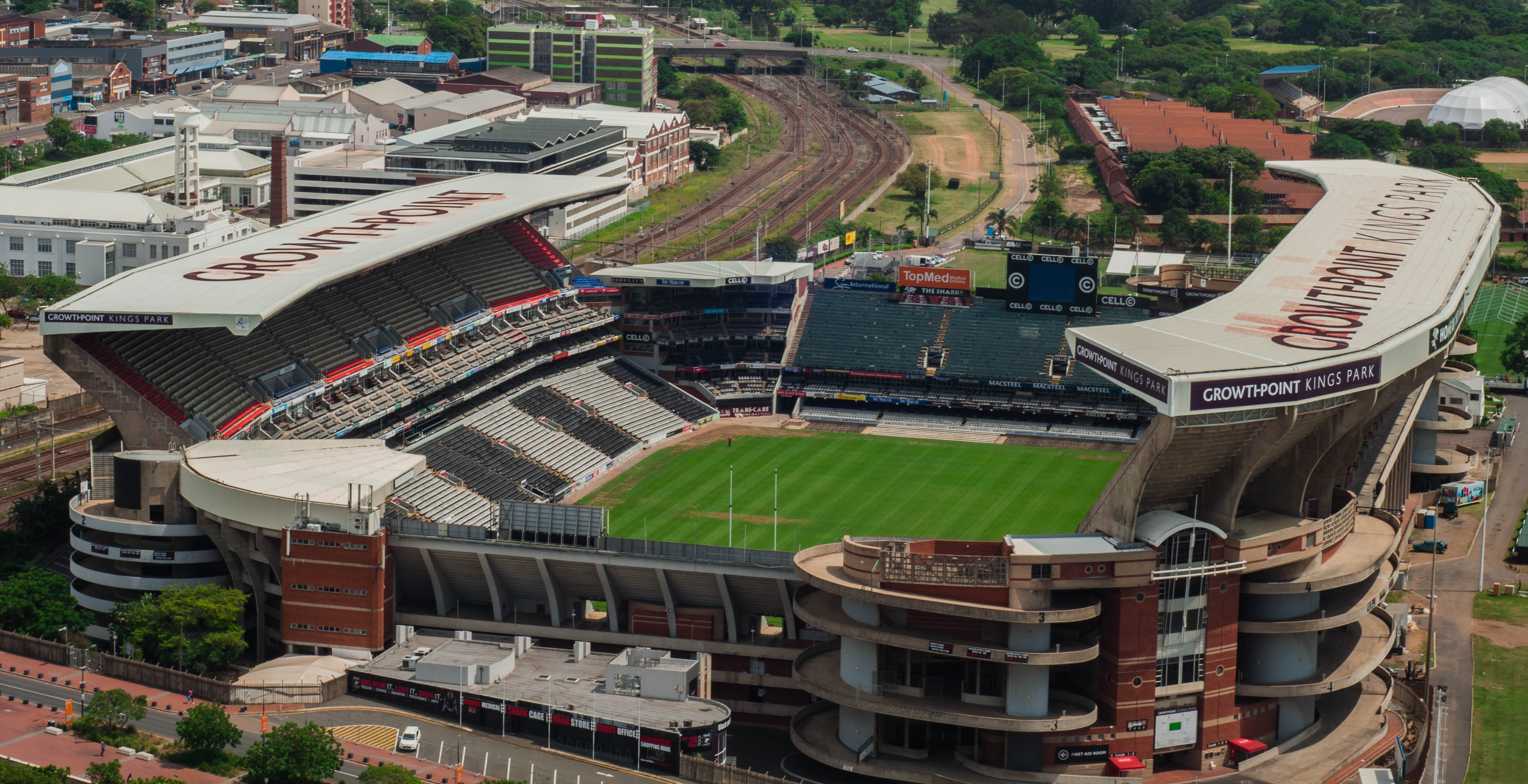
An intense heatwave sweeping the U.S. has pushed temperatures to their highest levels in more than a decade [2]. This weather pattern is affecting open-air stadiums hosting the 2026 FIFA World Cup, which is being held across the U.S., Canada, and Mexico.
To combat the rising heat, organizers have introduced mandatory hydration breaks. These pauses allow players to replenish fluids and recover from the physical strain of competing in high-temperature environments. Officials said the breaks are essential to maintain player safety and game quality.
Safety advisories have also been extended to the fans. Organizers are urging spectators to stay hydrated and seek shade wherever possible to avoid heat exhaustion. The combination of direct sunlight, and high humidity in several host cities has increased the risk of medical emergencies in the stands.
FIFA officials said they are monitoring weather reports closely to determine if further schedule adjustments are necessary. The current measures focus on immediate relief, such as water stations and cooling zones, to manage the impact of the record-breaking heat.
“Temperatures exceeding 100 °F impact matches across the United States.”
The implementation of emergency hydration breaks and safety alerts highlights the growing challenge of hosting major sporting events during extreme weather peaks. As temperatures reach decadal highs, the reliance on temporary measures like cooling breaks may signal a need for more permanent climate-adaptation strategies in stadium design and tournament scheduling for future global events.