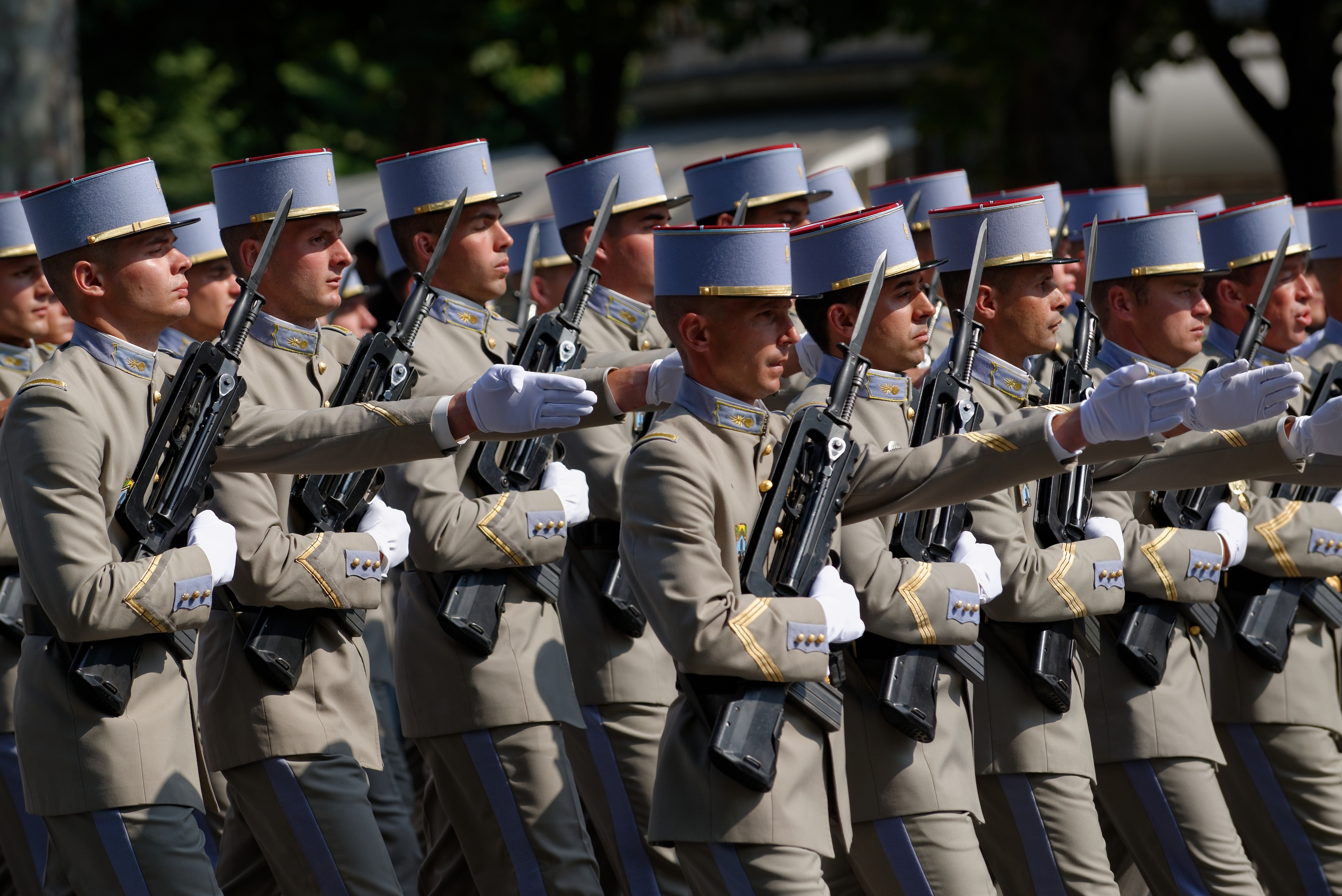
France celebrated its national Bastille Day on July 14, 2026, with a military parade in Paris that featured Ukrainian soldiers and international volunteers [1].
The inclusion of foreign combatants in the traditional display of French military power serves as a high-profile diplomatic signal. By integrating Ukrainian forces into the national holiday, the French government is publicly reaffirming its commitment to Kyiv during the ongoing war.
The event took place along the Champs-Élysées and around the Élysée Palace [2]. The parade commemorated the 235th anniversary of the storming of the Bastille [2]. President Emmanuel Macron oversaw the proceedings, which were designed to showcase both national strength and international solidarity.
Among the marching forces were 25 Ukrainian soldiers [2]. Additionally, 500 volunteers from the Coalition of Volunteers for Ukraine joined the French troops in the procession [2]. This collaboration represents a rare integration of active foreign combatants within a French national ceremony.
"I am proud of the presence of Ukrainian soldiers on the streets of Paris during our national celebrations," Macron said [2].
The presence of these troops was a central element of the day's choreography. The march aimed to demonstrate that France views the defense of Ukraine as intrinsically linked to its own security and values. The volunteers from the Coalition of Volunteers for Ukraine highlighted the multilateral nature of the support provided to the Ukrainian state.
French armed forces marched alongside the guest soldiers to emphasize a unified front. The event occurred amidst a broader effort by the French administration to maintain a leadership role in European security architecture, a goal underscored by the visibility of the Ukrainian contingent in the heart of the capital.
“"I am proud of the presence of Ukrainian soldiers on the streets of Paris during our national celebrations."”
The integration of Ukrainian soldiers and international volunteers into a Bastille Day parade transcends mere ceremony. It signals a shift in French diplomatic posture, moving from providing material aid to a more explicit, symbolic alignment of the French military identity with the Ukrainian cause. This public display is intended to discourage Russian aggression by demonstrating that European support for Kyiv is not just financial or logistical, but deeply integrated into the national pride and military traditions of key NATO allies.


