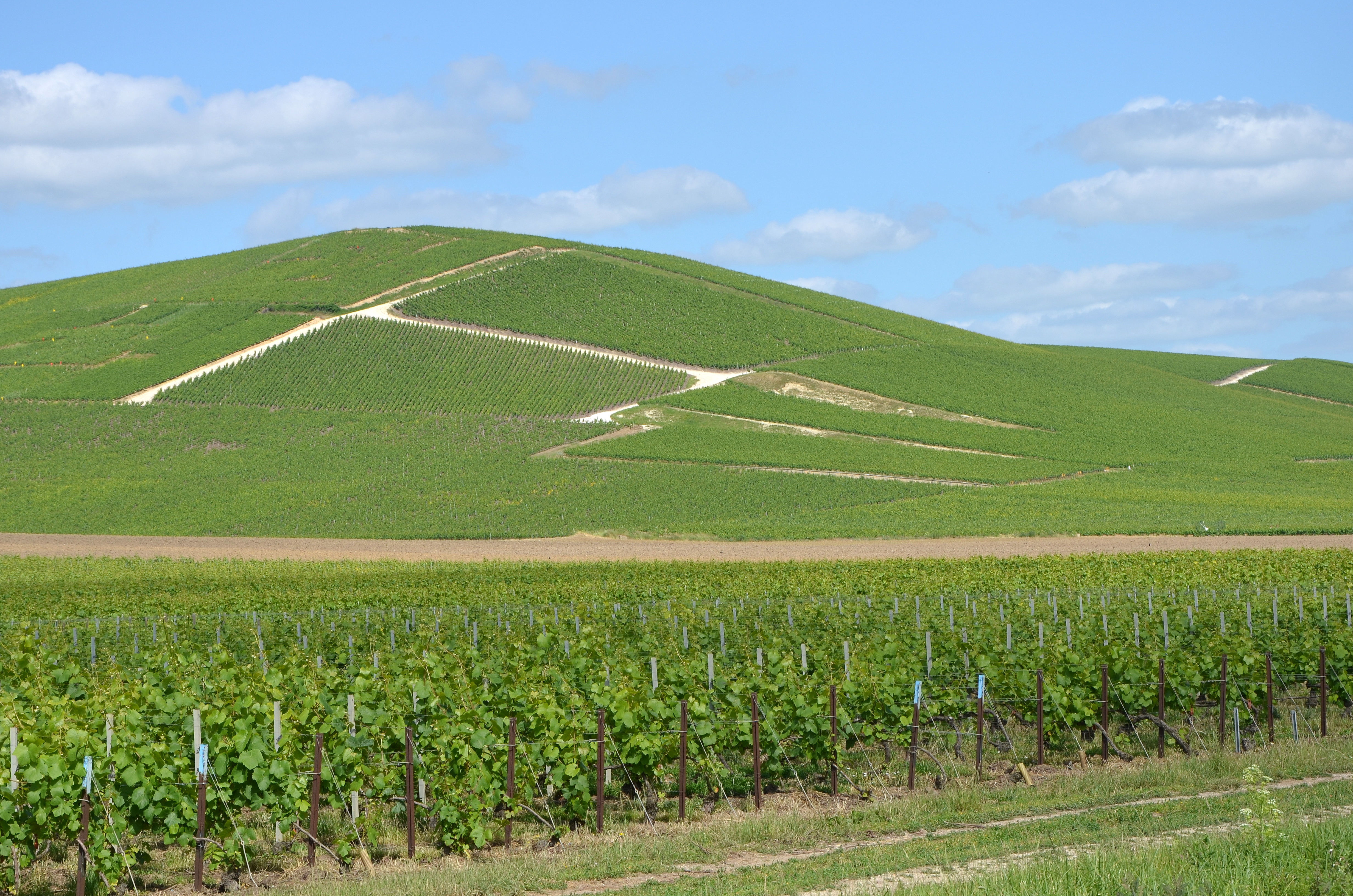
Experts warn that climate change is threatening the production of France's most iconic agricultural products, including Champagne, Comté cheese, and croissants [1].
These staples represent more than just food; they are central to the French national identity and a primary driver of the country's tourism and export economy. As extreme weather patterns become more frequent, the traditional methods used to produce these goods face existential risks.
The urgency of the situation was highlighted by a severe heatwave in June. During this period, temperatures in Paris reached 41C [1], a figure that RFI English said is the same average as Dubai [1]. Such extreme heat disrupts the delicate balance required for viticulture and dairy farming.
Champagne production relies on specific temperature ranges and rainfall patterns to maintain the quality of the grapes. Similarly, the production of Comté cheese depends on the health of livestock and the quality of alpine pastures, both of which are stressed by prolonged drought and heat. Even the baking industry is vulnerable, as the ingredients for croissants—specifically butter and wheat—are susceptible to climate-driven agricultural volatility.
Experts said France faces "difficult choices to make when it comes to its famed lifestyle" [1]. Adapting to these changes may require altering traditional farming techniques or accepting changes in the flavor profiles and availability of these historic products.
The shift in climate is forcing a re-evaluation of how France manages its land and water resources to protect its gastronomic heritage from permanent loss.
“temperatures in Paris hit 41C, the same average as Dubai”
The vulnerability of these specific luxury goods indicates that climate change is not just an environmental issue but an economic threat to France's 'soft power.' Because these products are protected by strict regional designations (AOC), producers cannot simply move their operations to cooler climates without losing their legal status and brand value.


