France announced it opposes any Iranian tolls or fees for ships passing through the Strait of Hormuz during a G7 gathering in Evian [1].
The stance comes as the international community monitors a critical energy artery. Any restriction or cost increase in the strait could trigger volatility in global oil markets and disrupt the movement of commercial vessels.
French Foreign Ministry spokesman Pascal Confavreux and President Emmanuel Macron said that the government will not accept the imposition of such charges [1]. France said that tolls would threaten free navigation and raise shipping costs, factors that could destabilize a key global energy chokepoint [2, 3].
The dispute involves a disagreement over terminology. While French officials refer to the charges as tolls or fees, the Iranian foreign ministry has suggested that it may introduce fees rather than tolls for ships passing through the strait [4, 1].
The Strait of Hormuz remains one of the most sensitive maritime passages in the world. Approximately one-fifth of the world’s oil supply passes through the waterway [5]. Because of this volume, any financial or regulatory hurdle imposed by a coastal state can have immediate ripple effects on international energy prices.
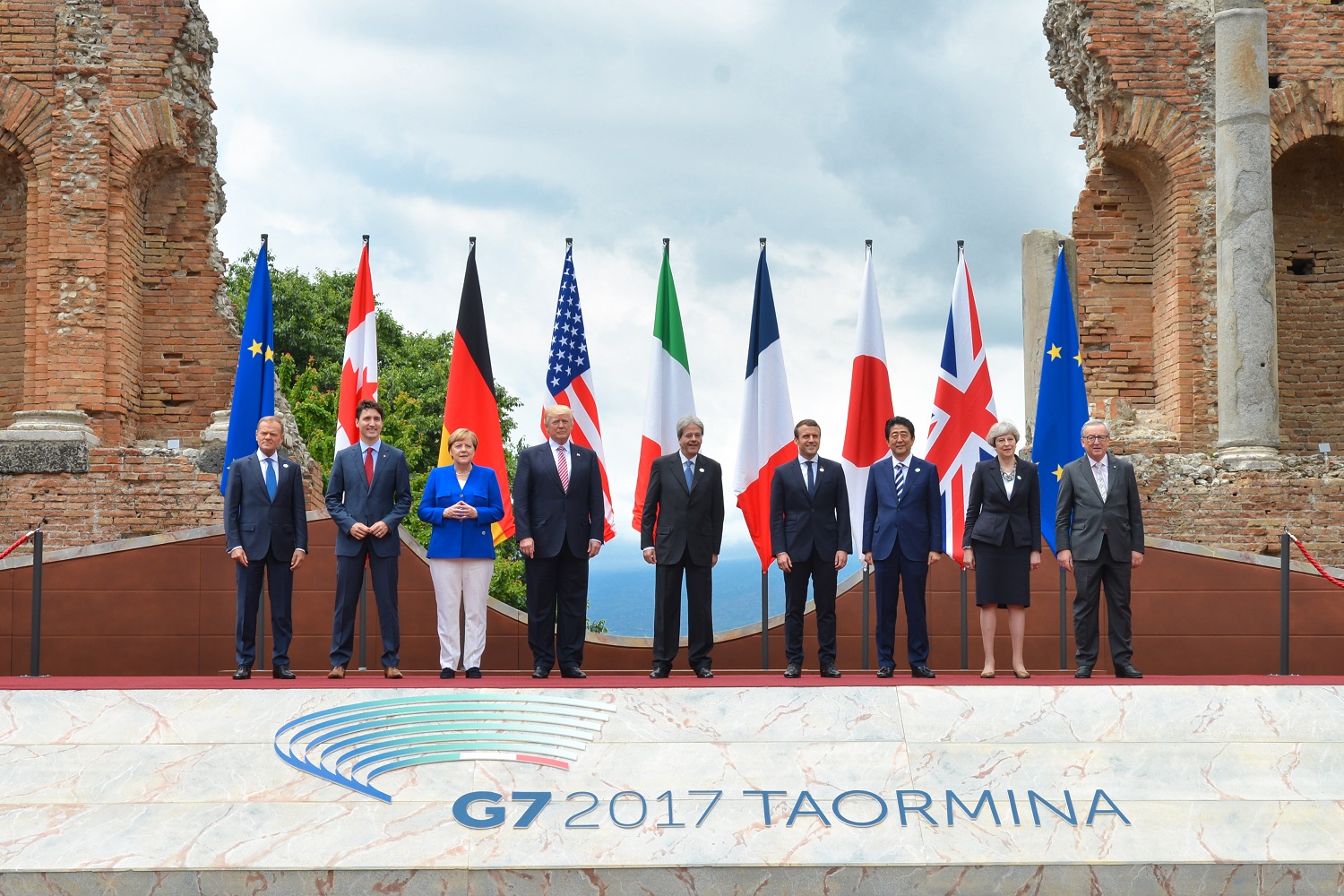
The declarations were made on the sidelines of the G7 summit in Evian this month [1]. France said that maintaining the status quo of free transit is essential for global economic stability.
President Macron said that the freedom of navigation is a fundamental principle of international maritime law. The French government maintains that any attempt to monetize the passage of ships through the strait would be an unacceptable disruption to global trade [1, 3].
“France opposes any Iranian tolls or fees for ships passing through the Strait of Hormuz”
This diplomatic friction highlights the precarious balance of power in the Persian Gulf. By publicly opposing these fees during a G7 summit, France is signaling that Western powers view the Strait of Hormuz as an international waterway rather than a territory where Iran can unilaterally impose financial levies. If Iran proceeds with a fee regime, it could lead to increased naval presence from global powers to ensure the 'free navigation' France is advocating for.