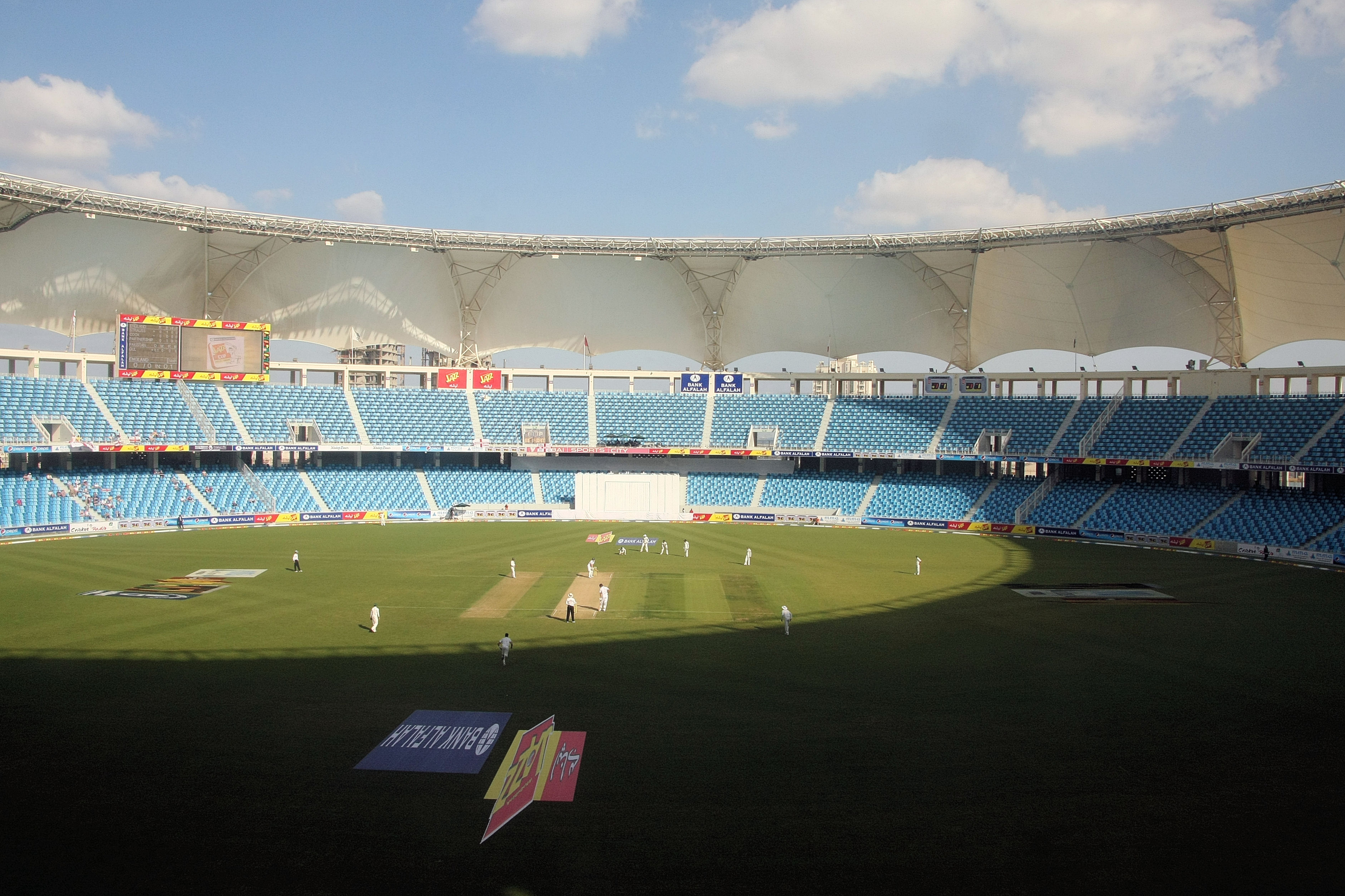
The International Cricket Council Annual Conference in Dubai concluded without implementing proposed changes to the ODI format or expanding the World Test Championship [1].
These decisions maintain the status quo for international cricket's primary structures. The lack of reform suggests a hesitation among member boards to alter the traditional length of limited-overs matches or the competitive landscape of Test cricket.
During the meetings, officials discussed a proposal to reduce the One Day International format to 40 overs [1]. This shift was intended to potentially increase the pace of the game and accommodate more fixtures within a crowded global calendar. However, the proposal remained a point of discussion and was not adopted as a formal rule change [1].
Similar outcomes occurred regarding the World Test Championship. The council reviewed a proposal to expand the tournament to include 12 teams [1]. Such an expansion would have allowed more nations to participate in the pinnacle of the longest format of the game, but the ICC did not move forward with the increase [1].
Beyond format changes, the conference served as a venue for discussions regarding Associate Member status. Representatives from U.S. Cricket, Cricket Canada, France Cricket, and the Mauritius Cricket Federation were involved in the proceedings [1]. These discussions focused on the growth of the game in non-traditional markets, and the requirements for maintaining official status within the global governing body.
The conference concluded without the structural shifts many analysts expected. By maintaining the current ODI length and the existing WTC team count, the ICC preserves the traditional balance of the sport's three primary formats while continuing to evaluate the needs of its expanding Associate membership [1].
“The ICC Annual Conference in Dubai concluded without implementing proposed changes to the ODI format.”
The decision to reject the 40-over ODI format and the 12-team WTC expansion indicates that the ICC is prioritizing stability over rapid evolution. While there is pressure to modernize the game to compete with shorter formats and expand the global footprint of Test cricket, the governing body is not yet ready to disrupt the established commercial and competitive frameworks of the sport.


