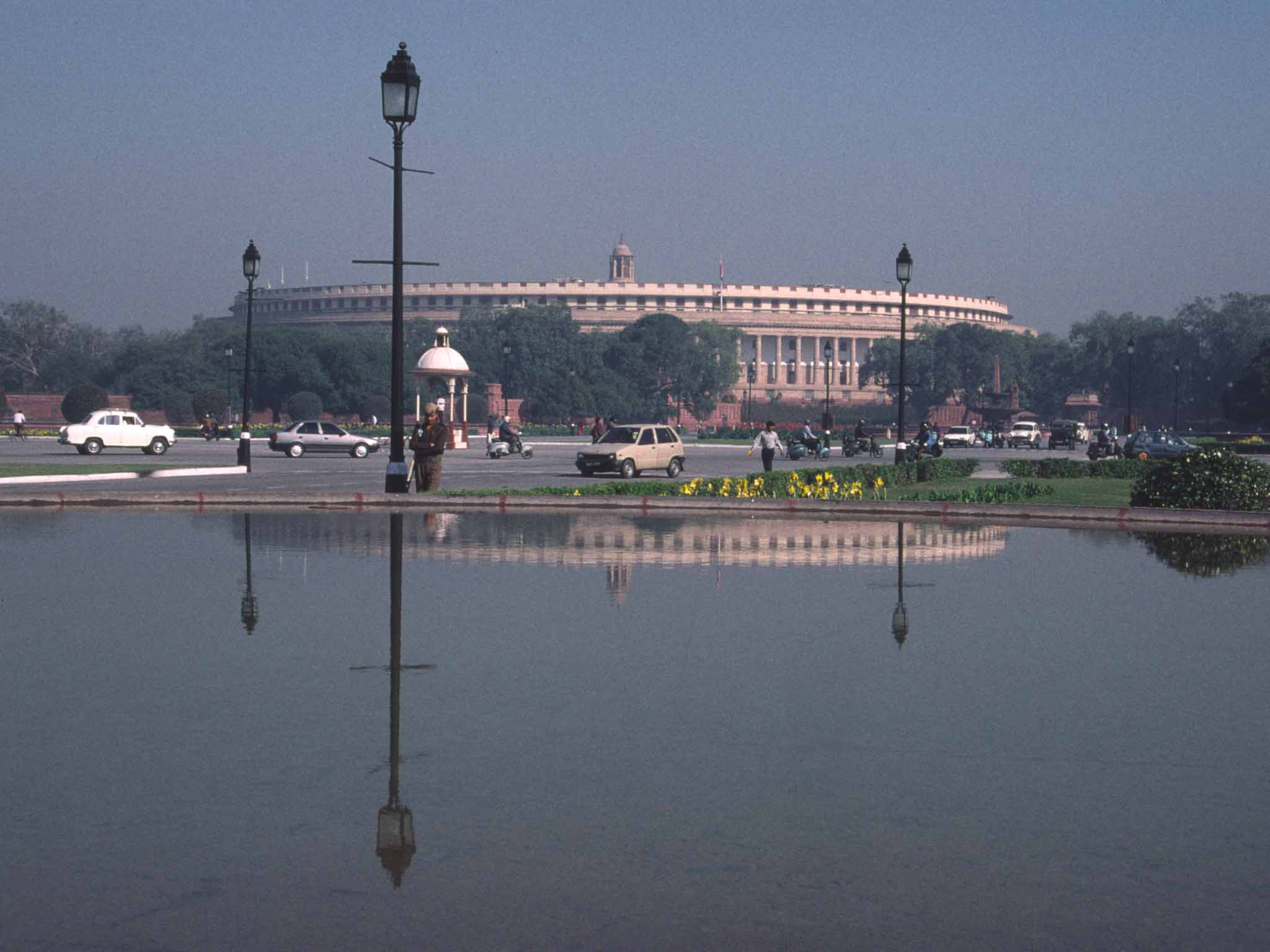
Police clashed with supporters of the youth-led Cockroach movement on Monday in New Delhi as protesters attempted to march toward Parliament.
The unrest signals a deepening crisis of confidence among India's youth, who are protesting alleged systemic corruption and a lack of economic opportunities.
Demonstrators gathered near the Parliament building and Jantar Mantar to demand the resignation of the education minister. The movement, also known as the Cockroach Party, cited irregularities in the NEET exam as a primary driver for the mobilization.
Reports on the size of the crowd varied significantly. Some accounts described the gathering as consisting of hundreds of supporters [2], while other reports said tens of thousands of people had gathered [1].
Violence erupted when protesters breached police barricades. Delhi police and Rapid Action Force personnel responded by deploying tear gas and using batons to disperse the crowd. The confrontation resulted in 50 police officers being injured [4].
Authorities detained 70 protesters during the clashes [4]. The police action was intended to prevent the march from reaching the Parliament building, though the breach of security perimeters marked a significant escalation in the movement's tactics.
The Cockroach movement has gained traction among Gen Z citizens who feel sidelined by the current political establishment. By targeting the education ministry, the group is highlighting the intersection of academic integrity, and professional survival in a competitive job market.
“Police clashed with supporters of the youth-led Cockroach movement on Monday in New Delhi”
The emergence of the Cockroach Party reflects a shift in Indian youth activism, moving from traditional student unions toward a more disruptive, identity-based movement. The focus on NEET exam irregularities suggests that educational certification has become a flashpoint for broader grievances regarding meritocracy and government transparency in India.


