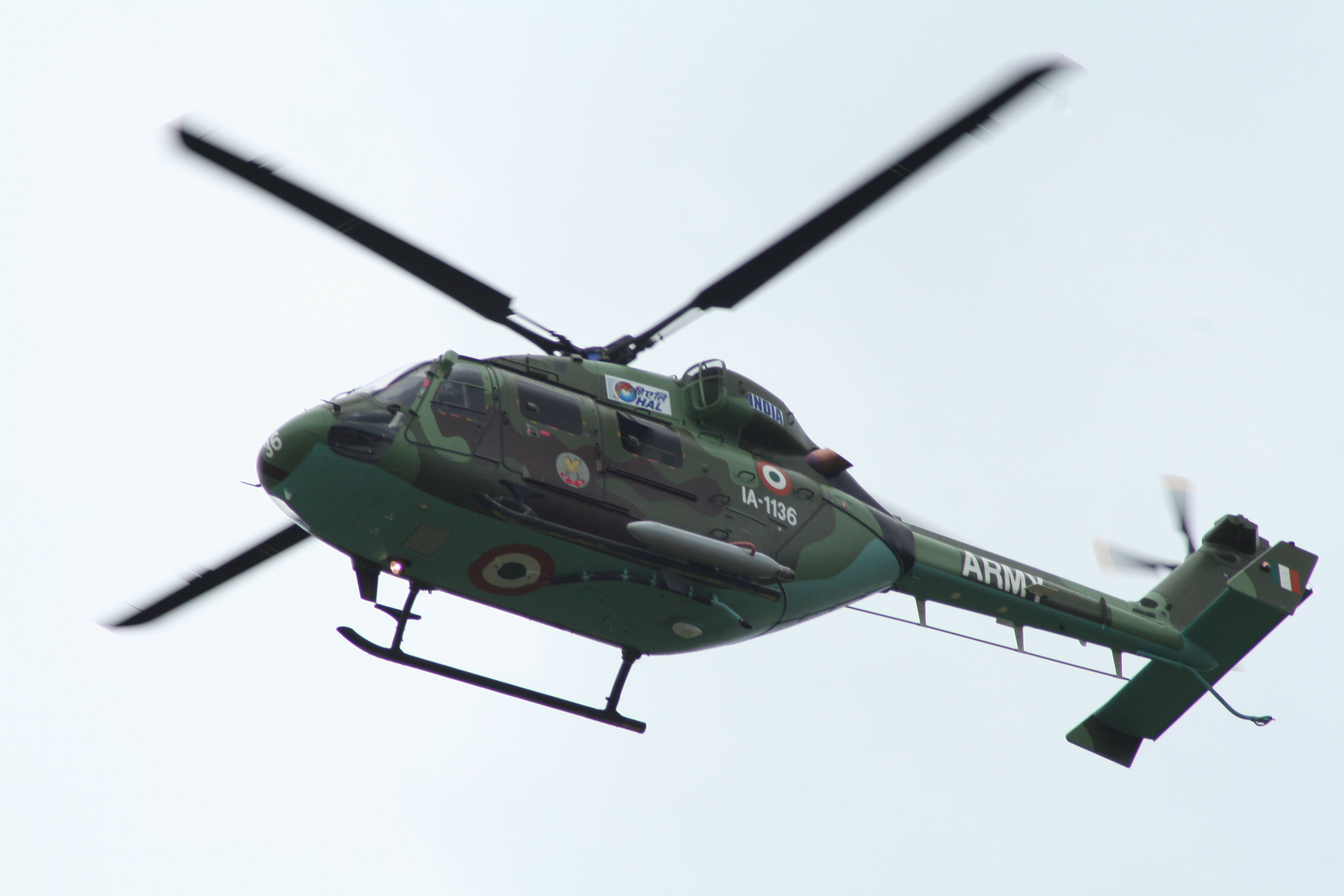
The Indian Army conducted a trial landing on June 16, 2026 [1], to test the secure transport of NEET-UG 2026 re-examination question papers.
This high-security maneuver is designed to prevent further leaks of the medical entrance exam after the original test was cancelled amid allegations of compromised integrity. By utilizing military assets, officials said they aim to ensure a transparent and secure process for the upcoming re-examination.
The trial landing took place at the Tirunelveli Armed Reserve Ground in Tamil Nadu [2]. The operation involved a mock drill to simulate the movement of the papers from Madurai to Tirunelveli [3]. Some reports indicate the papers are first air-lifted from Delhi to Madurai before the final leg of the journey [4].
While most reports identify the aircraft as an Indian Army helicopter [1], some sources describe it as an Indian Air Force helicopter [4]. This discrepancy highlights the coordinated effort between different branches of the armed forces to support civil administration during the crisis.
To further secure the process, the National Testing Agency is implementing a seven-layer security shield across the examination system [5]. This comprehensive approach combines military logistics, and administrative oversight to eliminate vulnerabilities in the distribution chain.
The actual re-examination is scheduled for June 21, 2026 [1]. The use of helicopters minimizes the time the papers spend in transit and reduces the number of touchpoints where a leak could occur—a critical step given the public outcry following the previous cancellation.
“The Indian Army conducted a trial landing on June 16, 2026, to test the secure transport of NEET-UG 2026 re-examination question papers.”
The deployment of military hardware for a civilian academic exam underscores the severity of the trust deficit between the Indian public and the testing authorities. By treating the transport of question papers as a tactical military operation, the government is attempting to signal a zero-tolerance policy toward leaks and restore the perceived legitimacy of the medical admissions process.


