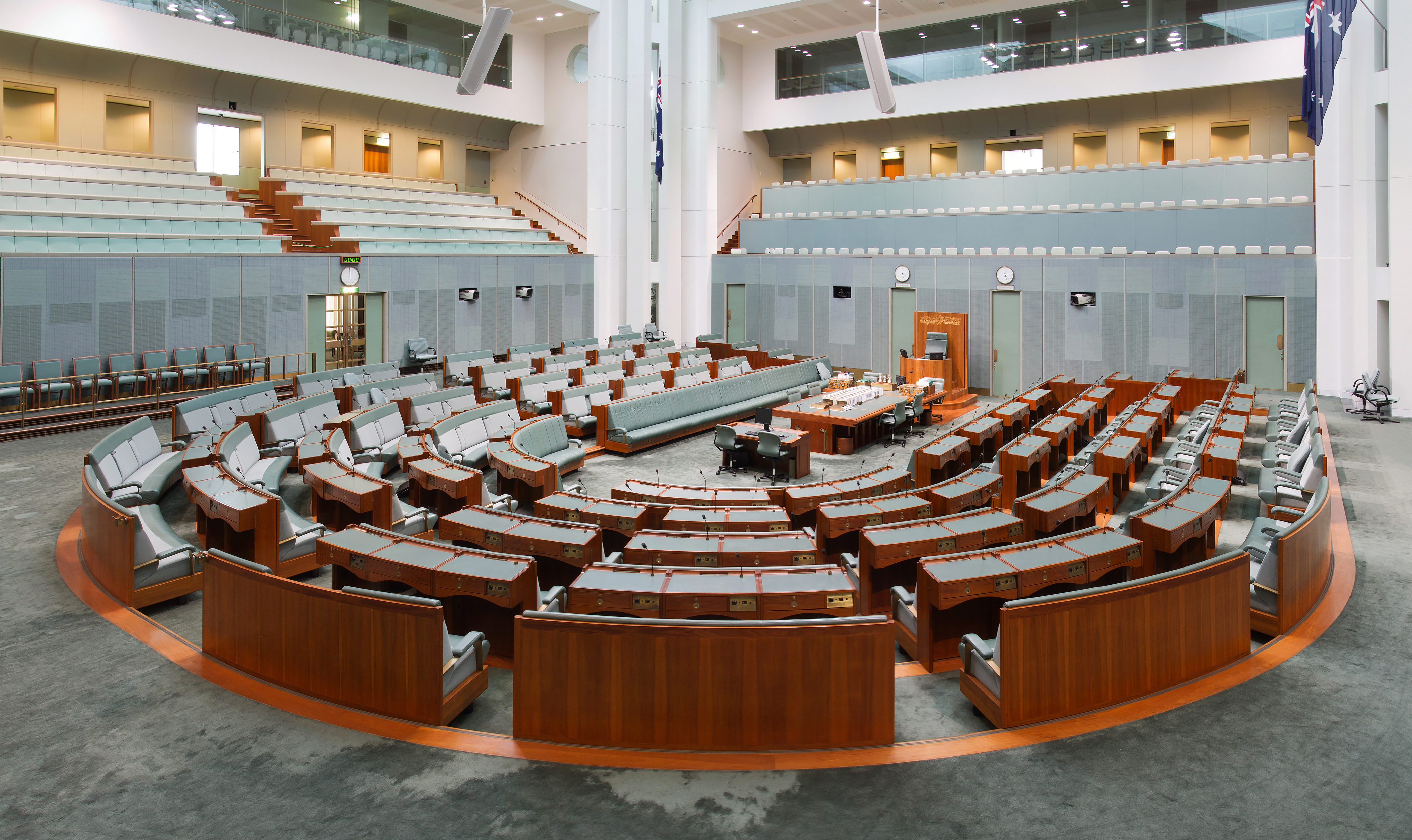
The Australian Labor Party government is facing significant obstacles in its effort to accelerate a comprehensive overhaul of the National Disability Insurance Scheme (NDIS).
This legislative push represents a major shift in federal social spending. The government is attempting to balance the sustainability of the national budget against the essential needs of citizens with disabilities, a move that has sparked friction with advisory bodies and political opponents.
The proposed reforms include implementing caps on growth, introducing tighter eligibility requirements, and cutting specific supports [1]. These measures are designed to address mounting budget pressures on the scheme and ensure its long-term financial viability [3].
According to government targets, the overhaul is intended to achieve savings of $36 billion over four years [3]. This aggressive fiscal goal has led to pushback from the government's own disability advisory group, which said it has concerns over the speed and nature of the changes [1].
Beyond internal advisory disputes, the Labor government is navigating an ultimatum from the Coalition. The opposition's stance complicates the legislative path for the reforms, as the government seeks a bipartisan approach to stabilize the agency [1].
Canberra officials continue to refine the plan, but the tension between fiscal austerity and service delivery remains high. The government said the changes are necessary to prevent the scheme from becoming financially unsustainable for the taxpayer [3].
“Labor's plan to accelerate NDIS reforms faces pushback from the disability advisory group.”
The conflict over the NDIS highlights a growing tension in Australian governance between the commitment to a high-standard social safety net and the reality of escalating public expenditure. By targeting $36 billion in savings, Labor is signaling that the current growth trajectory of the scheme is unsustainable, but the lack of consensus from advisory groups suggests a risk that the cuts could diminish the quality of care for the most vulnerable.