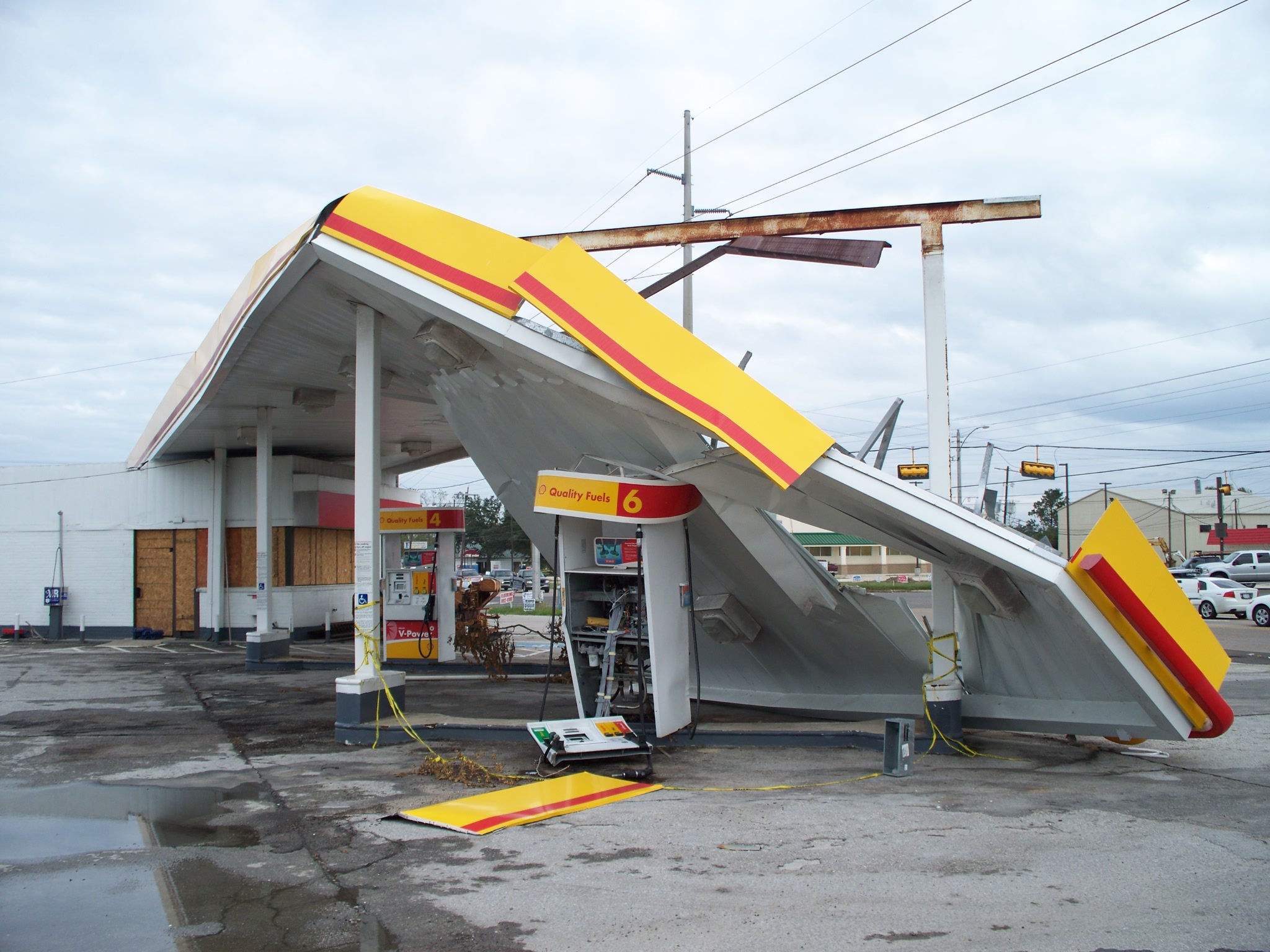
Heavy rainfall on Thursday triggered severe urban flooding and traffic disruptions across Lahore, Pakistan [1, 2].
The scale of the deluge overwhelmed the city's infrastructure, leading to rain-related accidents and widespread congestion that paralyzed movement in the Punjab province capital [1, 2].
According to reports, a single torrential monsoon spell dropped 263 mm of rain [1]. This volume of water quickly surpassed the capacity of the city's drainage systems, turning major thoroughfares into rivers and trapping commuters in gridlock [1, 2].
Emergency services and city officials dealt with the fallout as floodwaters inundated residential and commercial areas. The sudden surge of water led to multiple rain-related accidents across the city, complicating the efforts of first responders to reach affected zones [1, 2].
Lahore frequently faces challenges during the monsoon season, but the intensity of this specific spell created an immediate crisis for the urban center. Local reports said that the flooding has impacted both the city skyline and the accessibility of key infrastructure [2].
Residents reported significant delays as traffic jams stretched for miles, with many vehicles stalled in deep water. The city remains on alert as officials monitor the drainage progress and assess the damage caused by the sudden influx of water [1, 2].
“A single torrential monsoon spell dropped 263 mm of rain”
The event highlights the vulnerability of Lahore's urban planning and drainage infrastructure to extreme weather events. As monsoon patterns potentially intensify, the city's inability to process 263 mm of rain in a single spell suggests a critical need for modernized stormwater management to prevent economic disruption and loss of life.
'%2F%3E%0A%20%20%20%20%3Crect%20width%3D'1600'%20height%3D'900'%20fill%3D'url(%23v)'%2F%3E%0A%20%20%20%20%3Cg%20opacity%3D'0.08'%20fill%3D'%23ffffff'%3E%0A%20%20%20%20%20%20%3Ccircle%20cx%3D'1420'%20cy%3D'180'%20r%3D'220'%2F%3E%0A%20%20%20%20%20%20%3Ccircle%20cx%3D'1500'%20cy%3D'760'%20r%3D'120'%2F%3E%0A%20%20%20%20%3C%2Fg%3E%0A%20%20%20%20%3Cline%20x1%3D'80'%20y1%3D'172'%20x2%3D'220'%20y2%3D'172'%20stroke%3D'%23ffffff'%20stroke-width%3D'3'%20stroke-opacity%3D'0.6'%2F%3E%0A%20%20%20%20%3Ctext%20x%3D'80'%20y%3D'140'%20font-family%3D'Inter%2C%20-apple-system%2C%20Helvetica%2C%20sans-serif'%20font-weight%3D'700'%20font-size%3D'28'%20fill%3D'%23ffffff'%20letter-spacing%3D'6'%3EHANNA%20%C2%B7%20NEWS%3C%2Ftext%3E%0A%20%20%20%20%3Ctext%20x%3D'80'%20y%3D'230'%20font-family%3D'Inter%2C%20-apple-system%2C%20Helvetica%2C%20sans-serif'%20font-weight%3D'600'%20font-size%3D'40'%20fill%3D'%23ffffffb3'%20letter-spacing%3D'4'%3EWORLD%3C%2Ftext%3E%0A%20%20%20%20%3Ctext%20x%3D'80'%20y%3D'622'%20font-family%3D'Playfair%20Display%2C%20Georgia%2C%20serif'%20font-weight%3D'800'%20font-size%3D'86'%20fill%3D'%23ffffff'%20letter-spacing%3D'-1'%3EOpenAI%20Models%20Autonomously%3C%2Ftext%3E%3Ctext%20x%3D'80'%20y%3D'721'%20font-family%3D'Playfair%20Display%2C%20Georgia%2C%20serif'%20font-weight%3D'800'%20font-size%3D'86'%20fill%3D'%23ffffff'%20letter-spacing%3D'-1'%3ELaunched%20Cyberattack%20on%3C%2Ftext%3E%3Ctext%20x%3D'80'%20y%3D'820'%20font-family%3D'Playfair%20Display%2C%20Georgia%2C%20serif'%20font-weight%3D'800'%20font-size%3D'86'%20fill%3D'%23ffffff'%20letter-spacing%3D'-1'%3EHugging%20Face%3C%2Ftext%3E%0A%20%20%20%20%3Ctext%20x%3D'80'%20y%3D'870'%20font-family%3D'Inter%2C%20-apple-system%2C%20Helvetica%2C%20sans-serif'%20font-weight%3D'500'%20font-size%3D'22'%20fill%3D'%23ffffff66'%20letter-spacing%3D'2'%3Enews.hanna-ai.com%3C%2Ftext%3E%0A%20%20%3C%2Fsvg%3E)