Marine Le Pen, leader of the Rassemblement National (RN), announced Tuesday she will run in the 2027 French presidential election [4].
This move places the RN leader in direct conflict with a recent judicial ruling that could legally bar her from seeking office. By launching her campaign immediately after the conviction, Le Pen is attempting to maintain the party's political momentum and frame the legal proceedings as a targeted effort by the establishment.
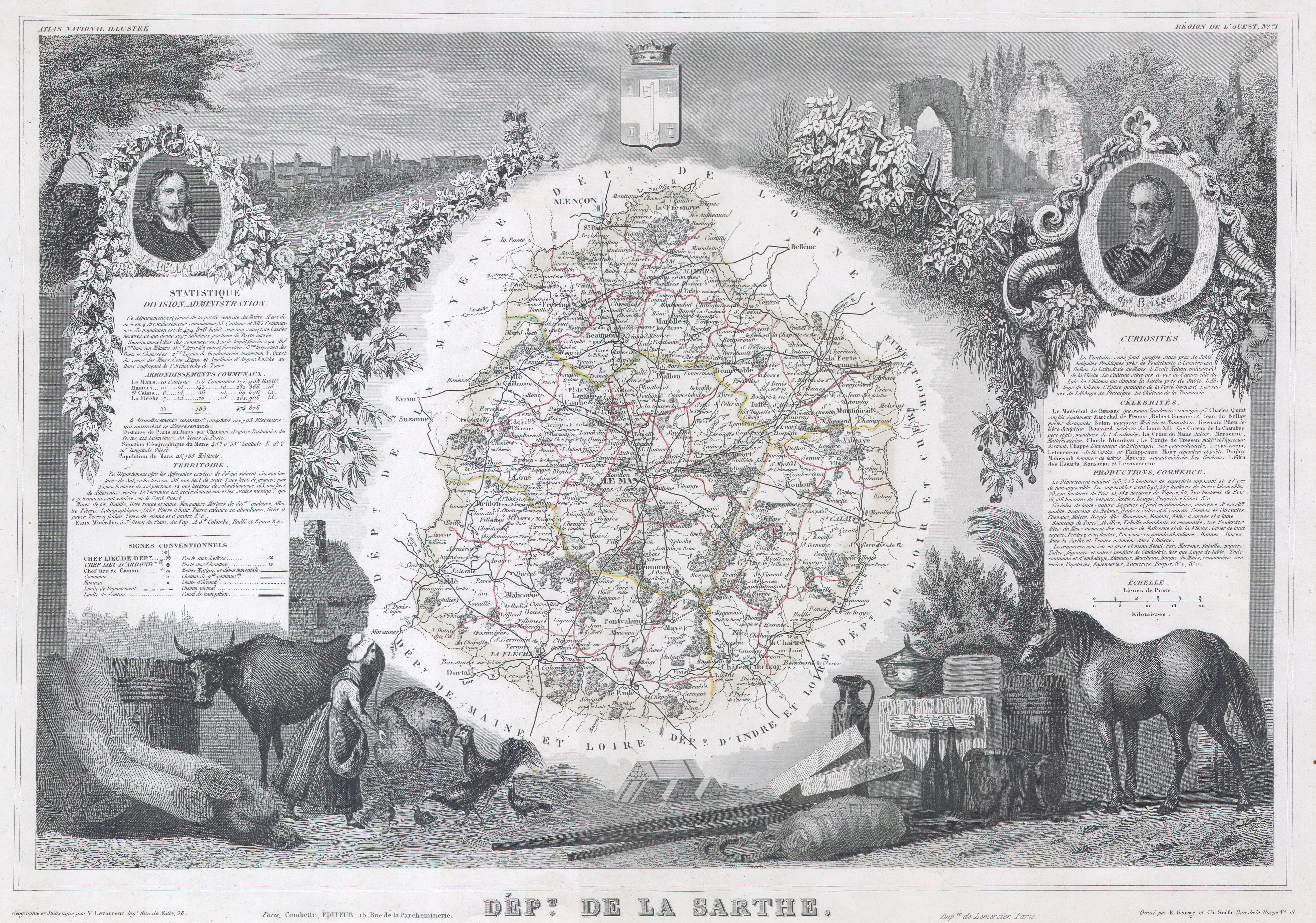
Le Pen officially launched her campaign on Wednesday, July 8, in the Sarthe department [5, 6]. The announcement follows an appeal court conviction that includes a three-year prison sentence, with one year to be served under an electronic bracelet [1].
In addition to the prison term, the court ordered a 100,000 euro fine [3]. The ruling also imposed a period of ineligibility totaling 45 months, though 30 of those months are suspended [2].
Despite these legal hurdles, Le Pen said, "I am a candidate, I do not renounce the 2027 presidential election" [7]. She characterized the situation as a confrontation between herself and the ruling class.
Le Pen said, "The entire political and media class will set itself against" her [8].
The RN leader is positioning her candidacy as a challenge to what she describes as a coordinated opposition from the media and political spheres [9]. Her decision to campaign while facing a prison sentence and a fine of 100,000 euros [3] serves as a strategic gamble to energize her base before the 2027 vote.
“I am a candidate, I do not renounce the 2027 presidential election”
Le Pen's decision to run despite a 45-month period of ineligibility creates a high-stakes legal and political standoff. If the ineligibility is upheld, she may be legally barred from the ballot, but by declaring her candidacy now, she transforms a judicial penalty into a political narrative of persecution. This strategy aims to consolidate the RN's voter base by casting the judiciary as an instrument of the political establishment.
'%2F%3E%0A%20%20%20%20%3Crect%20width%3D'1600'%20height%3D'900'%20fill%3D'url(%23v)'%2F%3E%0A%20%20%20%20%3Cg%20opacity%3D'0.08'%20fill%3D'%23ffffff'%3E%0A%20%20%20%20%20%20%3Ccircle%20cx%3D'1420'%20cy%3D'180'%20r%3D'220'%2F%3E%0A%20%20%20%20%20%20%3Ccircle%20cx%3D'1500'%20cy%3D'760'%20r%3D'120'%2F%3E%0A%20%20%20%20%3C%2Fg%3E%0A%20%20%20%20%3Cline%20x1%3D'80'%20y1%3D'172'%20x2%3D'220'%20y2%3D'172'%20stroke%3D'%23ffffff'%20stroke-width%3D'3'%20stroke-opacity%3D'0.6'%2F%3E%0A%20%20%20%20%3Ctext%20x%3D'80'%20y%3D'140'%20font-family%3D'Inter%2C%20-apple-system%2C%20Helvetica%2C%20sans-serif'%20font-weight%3D'700'%20font-size%3D'28'%20fill%3D'%23ffffff'%20letter-spacing%3D'6'%3EHANNA%20%C2%B7%20NEWS%3C%2Ftext%3E%0A%20%20%20%20%3Ctext%20x%3D'80'%20y%3D'230'%20font-family%3D'Inter%2C%20-apple-system%2C%20Helvetica%2C%20sans-serif'%20font-weight%3D'600'%20font-size%3D'40'%20fill%3D'%23ffffffb3'%20letter-spacing%3D'4'%3EWORLD%3C%2Ftext%3E%0A%20%20%20%20%3Ctext%20x%3D'80'%20y%3D'622'%20font-family%3D'Playfair%20Display%2C%20Georgia%2C%20serif'%20font-weight%3D'800'%20font-size%3D'86'%20fill%3D'%23ffffff'%20letter-spacing%3D'-1'%3EShiv%20Sena%20Corporator%3C%2Ftext%3E%3Ctext%20x%3D'80'%20y%3D'721'%20font-family%3D'Playfair%20Display%2C%20Georgia%2C%20serif'%20font-weight%3D'800'%20font-size%3D'86'%20fill%3D'%23ffffff'%20letter-spacing%3D'-1'%3EArrested%20for%20Assaulting%3C%2Ftext%3E%3Ctext%20x%3D'80'%20y%3D'820'%20font-family%3D'Playfair%20Display%2C%20Georgia%2C%20serif'%20font-weight%3D'800'%20font-size%3D'86'%20fill%3D'%23ffffff'%20letter-spacing%3D'-1'%3EDoctors%20in%20Dombivli%3C%2Ftext%3E%0A%20%20%20%20%3Ctext%20x%3D'80'%20y%3D'870'%20font-family%3D'Inter%2C%20-apple-system%2C%20Helvetica%2C%20sans-serif'%20font-weight%3D'500'%20font-size%3D'22'%20fill%3D'%23ffffff66'%20letter-spacing%3D'2'%3Enews.hanna-ai.com%3C%2Ftext%3E%0A%20%20%3C%2Fsvg%3E)

