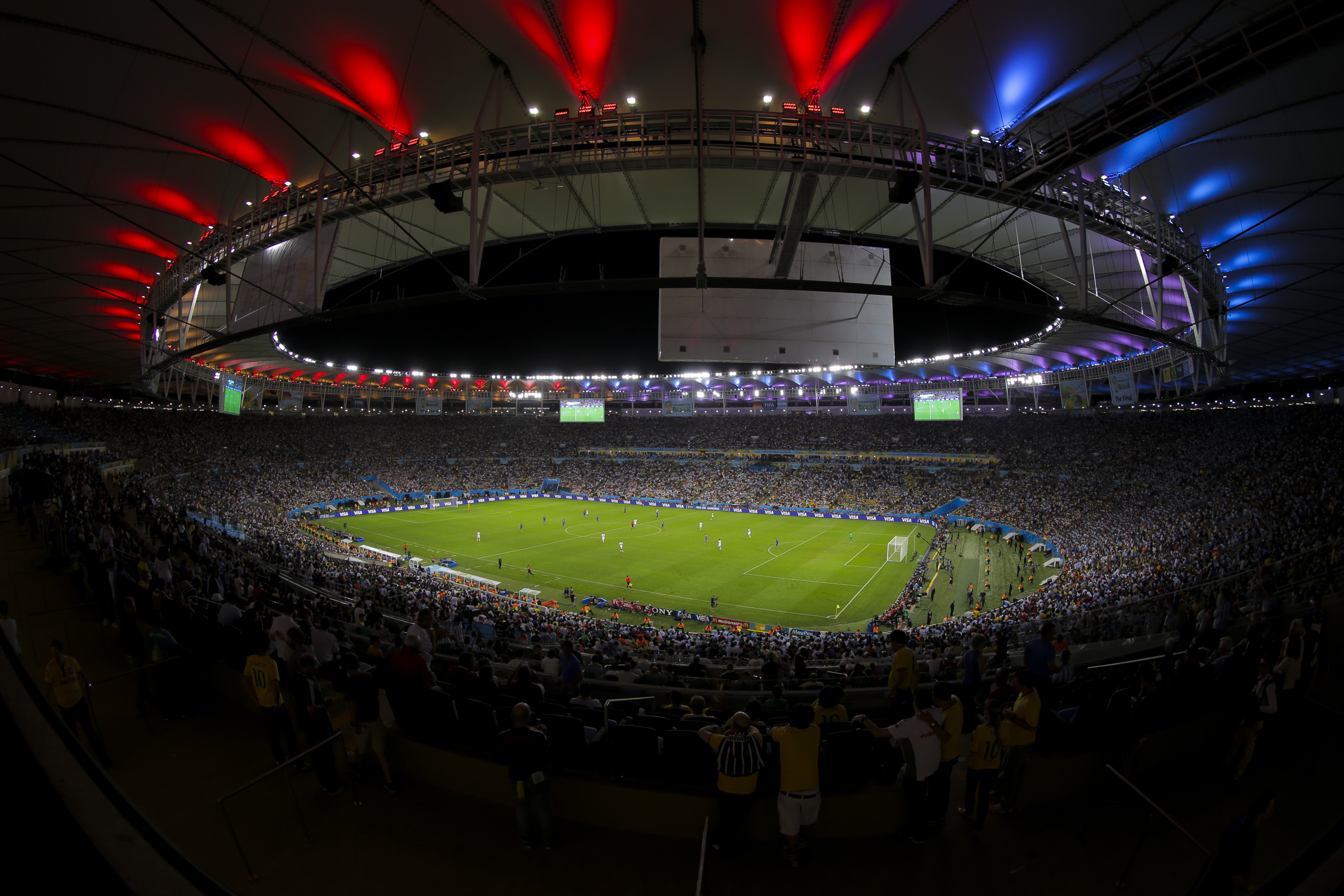
Lionel Messi scored a hat-trick to lead Argentina to a 3-0 [1] victory over Algeria on June 16, 2026 [2].
The performance elevates Messi to a tie for the most goals scored by a single player in FIFA World Cup history. By reaching 16 goals [3], the Argentina captain now shares the all-time record with Germany's Miroslav Klose [4].
The match took place at Arrowhead Stadium in Indianapolis, U.S. [5], as part of the Group J stage. Messi's three goals [6] were the result of a collective offensive effort from the Argentine squad, which included a key assist from Nico González [7].
This result marks a dominant start for the defending champions in their opening match of the tournament. The 3-0 [1] scoreline reflects a significant gap in offensive execution between the two sides during the contest.
Following the historic performance, David Faitelson of Bolavip said the player was a “Semidiós” [8].
Messi has long been chased by critics and historians regarding his statistical standing among the greatest strikers in the game. By equaling the record of 16 goals [3], he moves past several legendary figures in the tournament's history, a feat that underscores his longevity at the highest level of international football.
“Messi's three goals brought his World Cup tally to 16, tying Miroslav Klose’s record.”
Messi's achievement shifts the historical narrative of the World Cup from a debate over skill to a documented statistical peak. By tying the record for most goals in the tournament, he cements his legacy not just as a playmaker, but as the most efficient goal-scorer in the history of the competition, placing immense pressure on future generations to surpass a benchmark that has stood for years.


