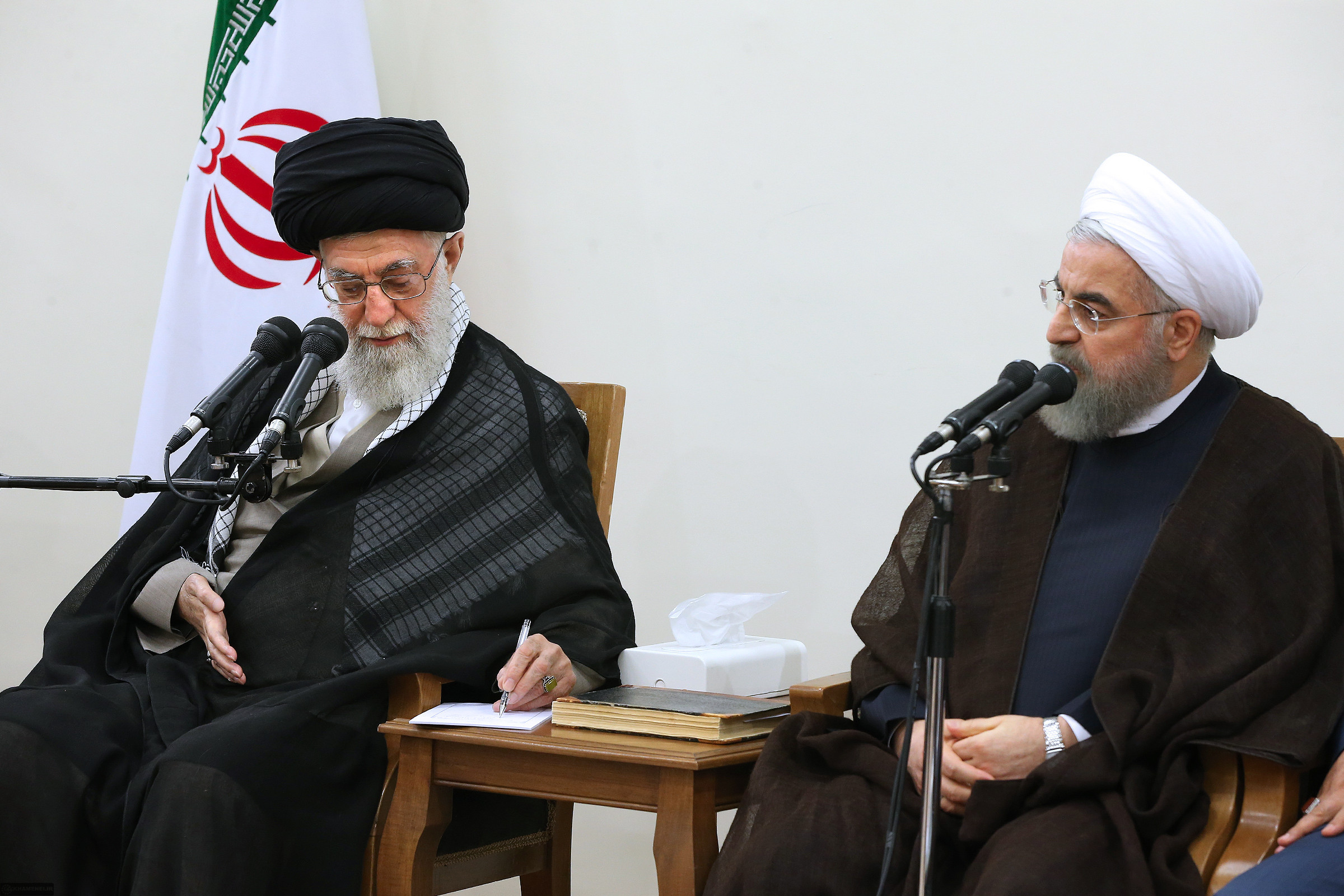
Deadly tornadoes ripped through the U.S. Midwest this week, coinciding with vows of revenge from Iran's supreme leader [1].
These simultaneous crises place the U.S. government in a position of managing a domestic humanitarian disaster while facing a heightened risk of international conflict with Tehran [1, 2].
The severe weather system has plagued the Midwest since Friday, producing more than 50 tornadoes [3]. The storms have caused significant destruction across the region, leaving a trail of death and debris as emergency crews work to recover victims and clear roads [1, 3]. Local officials said they continue to assess the full scale of the damage as the storm system moves through the heartland [3].
Meanwhile, the geopolitical situation has deteriorated following a statement from Iran's Supreme Leader, Ayatollah Ali Khamenei [1, 2]. Khamenei said he vowed revenge for the killing of his father, an event he attributes to actions taken by the United States [2].
This rhetoric comes amid a period of extreme volatility between the two nations. The threat of retaliation from the Iranian leadership increases the risk of military escalation in the region, a development that could further complicate U.S. foreign policy and global security [2].
The U.S. government has not yet issued a formal response to the specific threats made by Khamenei [2]. However, the timing of these threats, coinciding with a domestic natural disaster, adds pressure to the federal administration's resource allocation and strategic focus [1].
“More than 50 tornadoes reported since Friday”
The convergence of a major natural disaster in the American Midwest and a direct threat of retaliation from Iran's supreme leader creates a dual-front crisis for the U.S. administration. While the domestic focus remains on disaster relief and recovery, the personal nature of Khamenei's vow suggests a shift toward more emotional and unpredictable diplomatic tensions, potentially narrowing the window for a peaceful resolution to U.S.-Iran frictions.