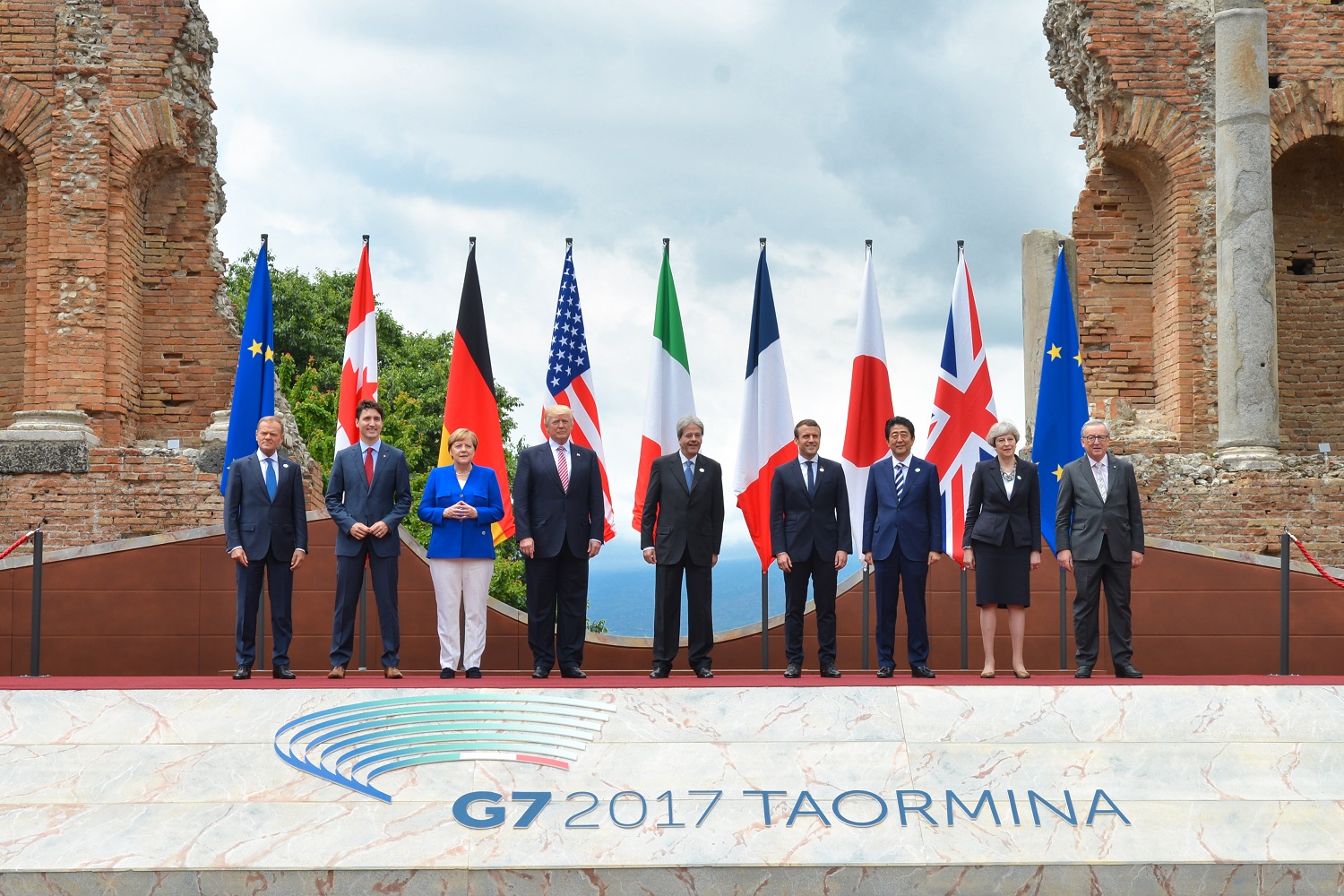
Prime Minister Narendra Modi met U.S. President Donald Trump on Tuesday during the G7 summit in France to discuss maritime security [1, 2].
The meeting highlights growing tensions over the human cost of military operations in West Asia and the vulnerability of global trade corridors. India is seeking firmer guarantees for the safety of its citizens working in high-risk shipping lanes.
During the summit, Modi addressed the deaths of Indian seafarers who died in a U.S. military strike [1]. He emphasized the need for the international community to ensure the protection of maritime trade routes, specifically mentioning the importance of the Strait of Hormuz [1].
"We welcome the progress made in peace efforts in West Asia," Modi said. "This conflict has caused loss of life and property in our friendly countries in the region. Disruptions to maritime trade routes must be addressed" [1].
This appearance marks Modi's seventh consecutive time attending the G7 summit [2]. India has now participated as a guest nation a total of 13 times [2].
The discussions between the two leaders also focused on broader peace efforts in West Asia. Modi said that while progress is welcome, the instability in the region continues to threaten economic stability and human life [1].
The summit in France serves as a venue for India to elevate its concerns regarding the collateral damage of Western military actions. By linking the deaths of seafarers to the broader issue of trade disruptions, India is positioning itself as a critical stakeholder in the security of the Indian Ocean and Middle Eastern waters [1, 2].
“"Disruptions to maritime trade routes must be addressed."”
The focus on the Strait of Hormuz and the deaths of seafarers suggests that India is increasingly unwilling to overlook the collateral impact of U.S. military strikes. By raising these issues at the G7, India is leveraging its role as a key strategic partner to push for a more cautious approach to maritime security in West Asia, balancing its relationship with the U.S. against the need to protect its global workforce and energy imports.


