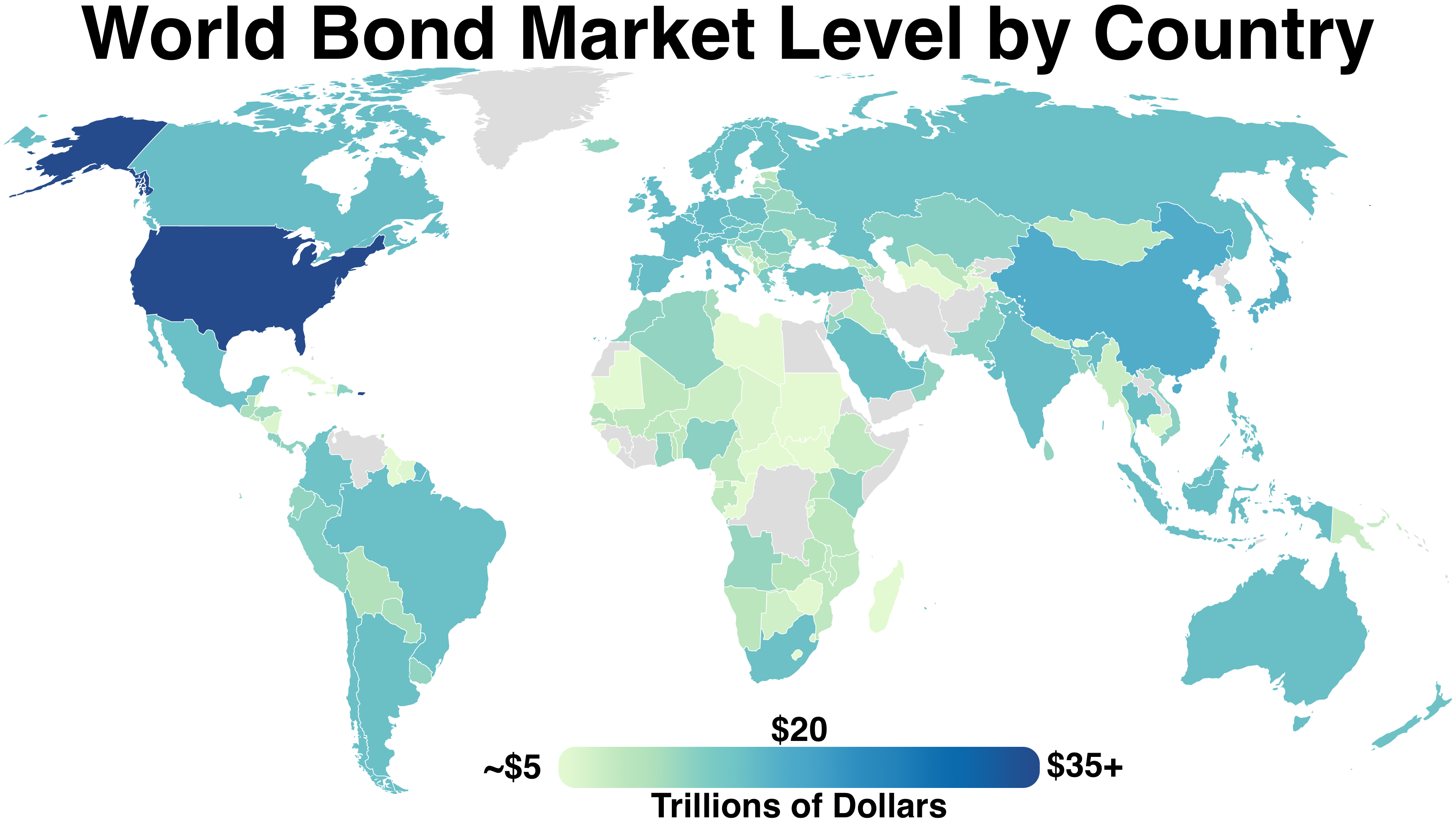
Nigerian bond yields are expected to remain elevated until the fourth quarter of 2026 [1].
This trend signals a challenging environment for government borrowing and a volatile landscape for investors. High yields typically indicate that investors demand higher returns to compensate for the risks associated with inflation and economic instability.
Market analysts identify three primary drivers behind the current trajectory. Persistent inflation continues to erode the real value of returns, forcing yields upward to attract buyers [1]. Simultaneously, widening fiscal deficits have increased the supply of government bonds, putting further pressure on the market [2].
Monetary policy also plays a critical role in this environment. Tight monetary policy, characterized by higher interest rates to combat inflation, has kept the cost of borrowing high across the board [1]. This synergy of fiscal and monetary pressure suggests that a significant drop in yields is unlikely in the immediate future.
There are slight variations in analyst projections regarding the exact duration of this trend. Some reports said that yields will remain high through the third quarter of 2026 [2], while other projections extend this period into the fourth quarter of 2026 [1].
Investors in Nigeria's debt market must navigate these conditions as the government continues to manage its debt obligations amid macroeconomic headwinds. The persistence of these yields reflects a broader struggle to stabilize the national economy against inflationary pressures [1].
“Nigerian bond yields are expected to remain elevated until the fourth quarter of 2026”
Elevated bond yields increase the cost of servicing national debt for the Nigerian government, potentially limiting funds available for public infrastructure and social services. For investors, while high yields offer attractive nominal returns, the actual profitability is heavily dependent on whether these returns outpace the country's persistent inflation rate.


