
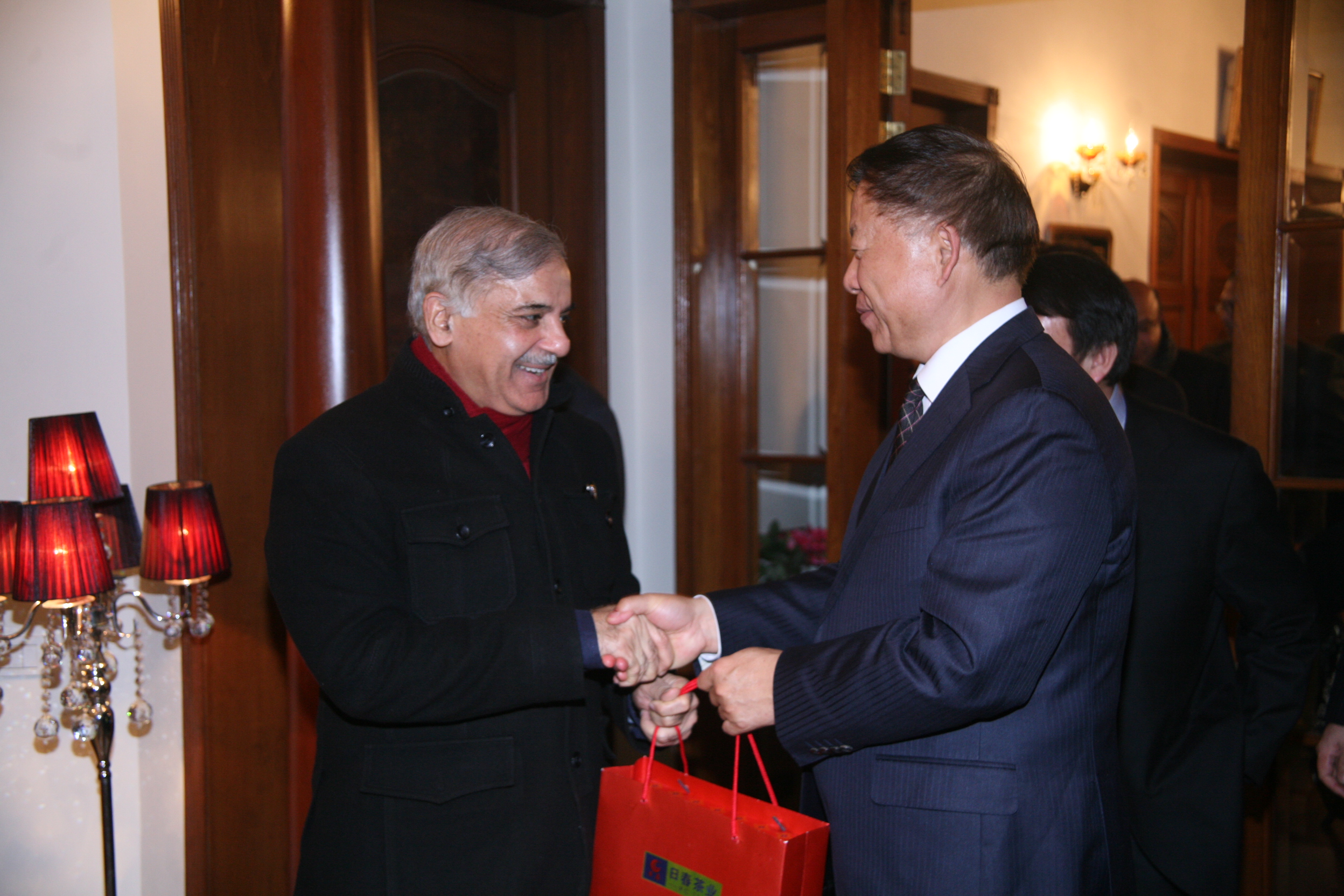
Pakistan Prime Minister Shehbaz Sharif is traveling to Beijing for high-level talks with President Xi Jinping and Premier Li Qiang [1].
The visit comes at a critical juncture for Pakistan as it seeks to stabilize its economy and deepen strategic ties with its closest regional ally. By focusing on the China-Pakistan Economic Corridor (CPEC), Islamabad aims to secure further investment and infrastructure upgrades to spur domestic growth.
The official visit is scheduled for May 23-26, 2026 [1]. While some reports describe the trip as a three-day visit [3], other sources indicate it is a four-day official engagement [2]. Sharif will meet with top Chinese leadership to discuss a broad range of economic, political, and security cooperation [1].
A primary goal of the mission is to upgrade the China-Pakistan Economic Corridor [2]. China has expressed a willingness to deepen these ties and enhance the corridor's operational capacity to facilitate trade [2]. These discussions are expected to cover not only infrastructure but also strategic security cooperation between the two nations [3].
The timing of the visit is symbolic, as the two countries mark 75 years of diplomatic relations [1]. This anniversary serves as a backdrop for the high-stakes meetings, emphasizing the long-term nature of the "all-weather" friendship between Islamabad and Beijing [1].
Sharif's agenda in Beijing also intersects with broader regional diplomacy. The visit occurs as Pakistan continues to navigate its relationships with other regional powers, including Iran and the U.S. [3]. The meetings in China are intended to strengthen bilateral ties and ensure continued support for Pakistan's strategic objectives [3].
“Pakistan Prime Minister Shehbaz Sharif is traveling to Beijing for high-level talks.”
This visit signals a continued reliance on Chinese capital and political support to sustain Pakistan's economic stability. The emphasis on upgrading the China-Pakistan Economic Corridor suggests that both nations are moving toward a more mature phase of infrastructure implementation, focusing on industrialization and energy rather than just initial construction.


