
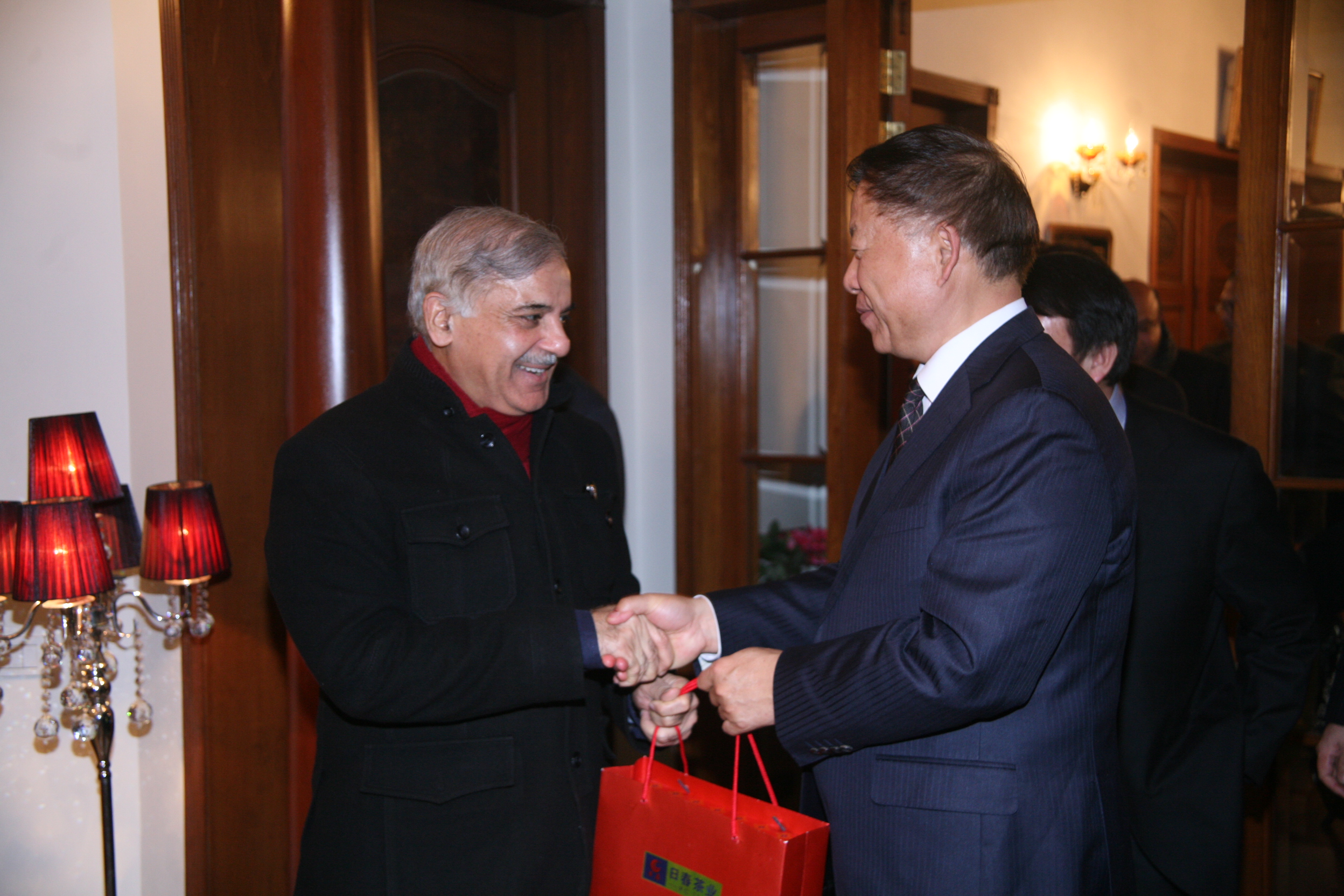
Pakistan Prime Minister Shehbaz Sharif began an official three-day state visit to Beijing on Saturday to meet with China's top leadership [1].
This diplomatic mission arrives at a critical juncture as both nations seek to stabilize regional security and advance economic cooperation amid heightened Middle East tensions. The visit serves as a mechanism to coordinate responses to international volatility while reinforcing bilateral commitments.
Sharif is scheduled to hold high-level discussions with President Xi Jinping and Premier Li Qiang from May 23 to May 26 [2]. The primary objective of the trip is to reaffirm the "all-weather strategic partnership" between the two countries and establish a shared vision for future cooperation [4].
Beyond bilateral ties, the talks will address urgent regional issues. Specifically, Sharif intends to push for renewed urgency in negotiations between the U.S. and Iran [1]. These discussions are viewed as essential for reducing friction in the Middle East and ensuring regional stability.
The timing of the visit also coincides with significant diplomatic milestones. The two nations are recognizing 75 years of diplomatic relations [5]. This anniversary underscores the longevity of the alliance and the intent to expand the scope of their strategic engagement.
Official itineraries indicate the visit will focus on both diplomatic formalities and substantive policy dialogue. The meetings in Beijing are expected to result in updated agreements on strategic cooperation, and regional security frameworks [3].
“reaffirm the 'all-weather strategic partnership'”
This visit signals Pakistan's intent to leverage its relationship with China to act as a diplomatic bridge in the Middle East. By urging progress in U.S.-Iran talks, Sharif is positioning Pakistan as a regional stabilizer, while the 75th anniversary of ties provides a symbolic backdrop to secure continued Chinese economic and political support.


