'%2F%3E%0A%20%20%20%20%3Crect%20width%3D'1600'%20height%3D'900'%20fill%3D'url(%23v)'%2F%3E%0A%20%20%20%20%3Cg%20opacity%3D'0.08'%20fill%3D'%23ffffff'%3E%0A%20%20%20%20%20%20%3Ccircle%20cx%3D'1420'%20cy%3D'180'%20r%3D'220'%2F%3E%0A%20%20%20%20%20%20%3Ccircle%20cx%3D'1500'%20cy%3D'760'%20r%3D'120'%2F%3E%0A%20%20%20%20%3C%2Fg%3E%0A%20%20%20%20%3Cline%20x1%3D'80'%20y1%3D'172'%20x2%3D'220'%20y2%3D'172'%20stroke%3D'%23ffffff'%20stroke-width%3D'3'%20stroke-opacity%3D'0.6'%2F%3E%0A%20%20%20%20%3Ctext%20x%3D'80'%20y%3D'140'%20font-family%3D'Inter%2C%20-apple-system%2C%20Helvetica%2C%20sans-serif'%20font-weight%3D'700'%20font-size%3D'28'%20fill%3D'%23ffffff'%20letter-spacing%3D'6'%3EHANNA%20%C2%B7%20NEWS%3C%2Ftext%3E%0A%20%20%20%20%3Ctext%20x%3D'80'%20y%3D'230'%20font-family%3D'Inter%2C%20-apple-system%2C%20Helvetica%2C%20sans-serif'%20font-weight%3D'600'%20font-size%3D'40'%20fill%3D'%23ffffffb3'%20letter-spacing%3D'4'%3EBUSINESS%3C%2Ftext%3E%0A%20%20%20%20%3Ctext%20x%3D'80'%20y%3D'622'%20font-family%3D'Playfair%20Display%2C%20Georgia%2C%20serif'%20font-weight%3D'800'%20font-size%3D'86'%20fill%3D'%23ffffff'%20letter-spacing%3D'-1'%3EPM%20Modi%20Receives%20Traditional%3C%2Ftext%3E%3Ctext%20x%3D'80'%20y%3D'721'%20font-family%3D'Playfair%20Display%2C%20Georgia%2C%20serif'%20font-weight%3D'800'%20font-size%3D'86'%20fill%3D'%23ffffff'%20letter-spacing%3D'-1'%3EBengali%20Welcome%20in%3C%2Ftext%3E%3Ctext%20x%3D'80'%20y%3D'820'%20font-family%3D'Playfair%20Display%2C%20Georgia%2C%20serif'%20font-weight%3D'800'%20font-size%3D'86'%20fill%3D'%23ffffff'%20letter-spacing%3D'-1'%3EGothenburg%3C%2Ftext%3E%0A%20%20%20%20%3Ctext%20x%3D'80'%20y%3D'870'%20font-family%3D'Inter%2C%20-apple-system%2C%20Helvetica%2C%20sans-serif'%20font-weight%3D'500'%20font-size%3D'22'%20fill%3D'%23ffffff66'%20letter-spacing%3D'2'%3Enews.hanna-ai.com%3C%2Ftext%3E%0A%20%20%3C%2Fsvg%3E)
Prime Minister Narendra Modi arrived in Gothenburg, Sweden, on May 17, 2026 [1], where he was greeted by the Indian diaspora.
The visit marks a strategic effort to strengthen bilateral ties between India and Sweden. The two nations are focusing on deepening cooperation across several critical sectors, including trade, technology, green energy, and defence [2, 3].
Upon arriving at his hotel in Gothenburg, Modi received a welcome featuring traditional Bengali cultural performances [2, 4]. Members of the Indian diaspora organized the event, which included music and dance to celebrate the prime minister's arrival [2, 3, 4].
While the cultural reception was hosted by the diaspora, reports indicate that Swedish Prime Minister Ulf Kristersson provided a welcome for the Indian leader [5]. The dual nature of the reception highlights both the diplomatic importance of the visit and the influence of the Indian community within Sweden.
The agenda for the visit is centered on economic and security synergies. Both governments aim to leverage Swedish technological expertise and Indian market scale to advance green energy initiatives and enhance defence capabilities [2, 3].
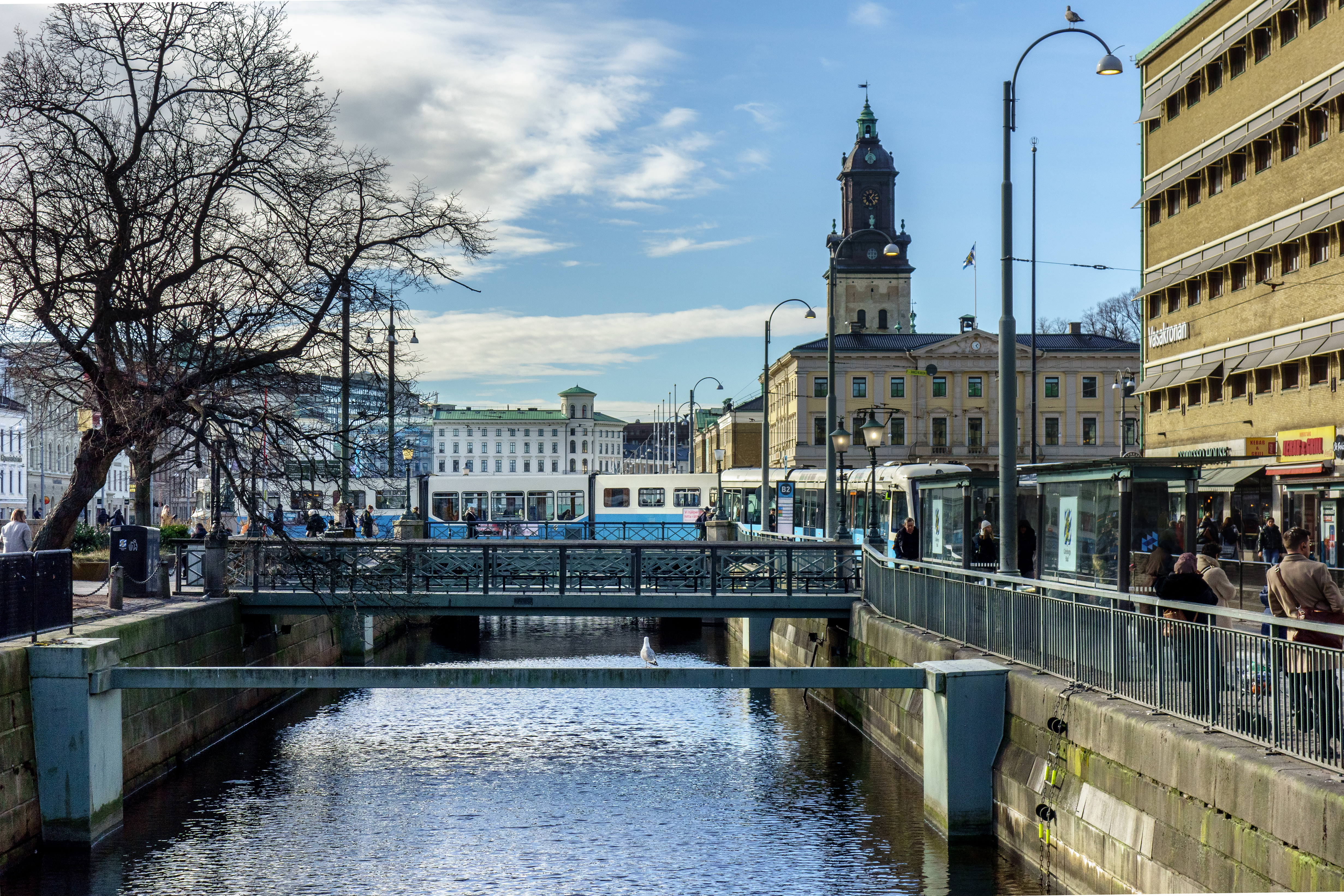
Gothenburg serves as a key hub for these discussions, as the city is a center for Swedish industry and innovation. The presence of the diaspora during the official visit underscores the role of cultural diplomacy in fostering stronger international partnerships [2, 3].
“Modi received a traditional Bengali cultural welcome featuring music and performances”
This visit signals a pivot toward more diversified security and technology partnerships for India. By integrating cultural engagement with the diaspora alongside high-level state meetings with Prime Minister Kristersson, India is utilizing a 'soft power' approach to solidify a 'hard power' strategic partnership in defence and green energy.