Rahul Gandhi and Priyanka Gandhi joined opposition MPs on Wednesday as they traveled to Gandhi Smriti to support student protesters [1, 2].
The move signals a coordinated effort by India's opposition to align with youth-led movements, potentially expanding their political coalition through student grievances.
The group departed from the residence of Rahul Gandhi in Delhi to make their way to the Gandhi Smriti memorial [1]. This public demonstration of solidarity is intended to show that the students are not alone in their struggle [1].
Student protesters have been raising demands in the capital, creating a focal point for political tension in the city. The visit by high-profile leaders from the opposition aims to amplify these demands and provide a political shield for the activists [1, 2].
Reports indicate that the atmosphere around the protests has been tense. Some students were reportedly picked up by authorities near Jantar Mantar, and internet services were shut down until midnight in certain areas to curb the organization of further gatherings [2].
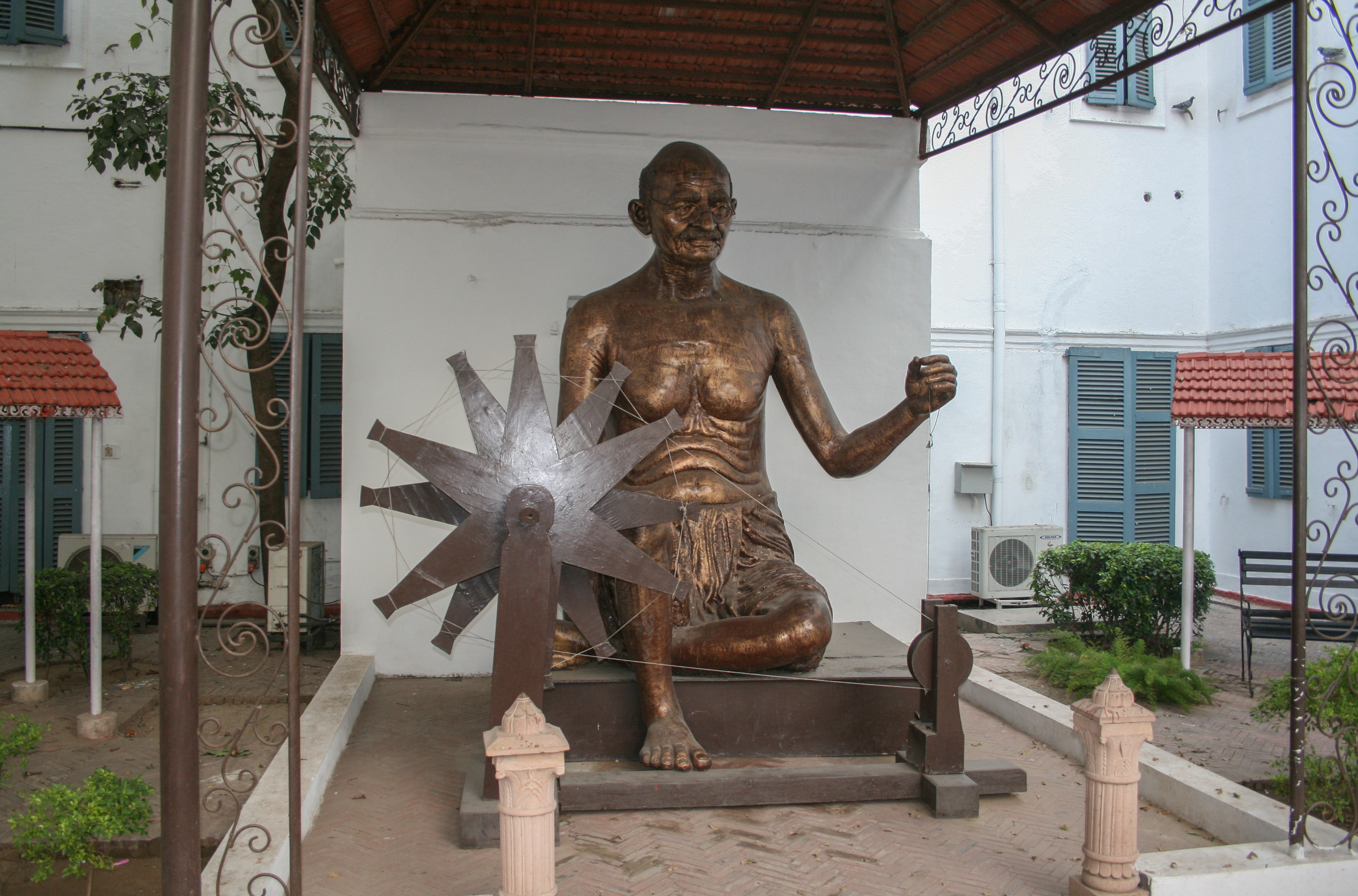
By choosing Gandhi Smriti as the location for their support, the leaders are invoking the legacy of non-violent protest and civil disobedience. This strategic choice connects the current student movement to the historical tradition of democratic struggle in India [1].
The opposition leaders have not yet released a formal list of specific policy demands they intend to champion on behalf of the students, but the physical presence of the Gandhi family and other MPs suggests a commitment to the cause [1].
“Rahul Gandhi and Priyanka Gandhi joined opposition MPs on Wednesday as they traveled to Gandhi Smriti to support student protesters.”
The alignment of the Gandhi family and opposition MPs with student protesters suggests a strategy to channel grassroots youth frustration into a broader political movement. By leveraging a site of historical significance like Gandhi Smriti, the opposition is attempting to frame the students' demands as a fundamental struggle for democratic rights rather than isolated grievances.


