
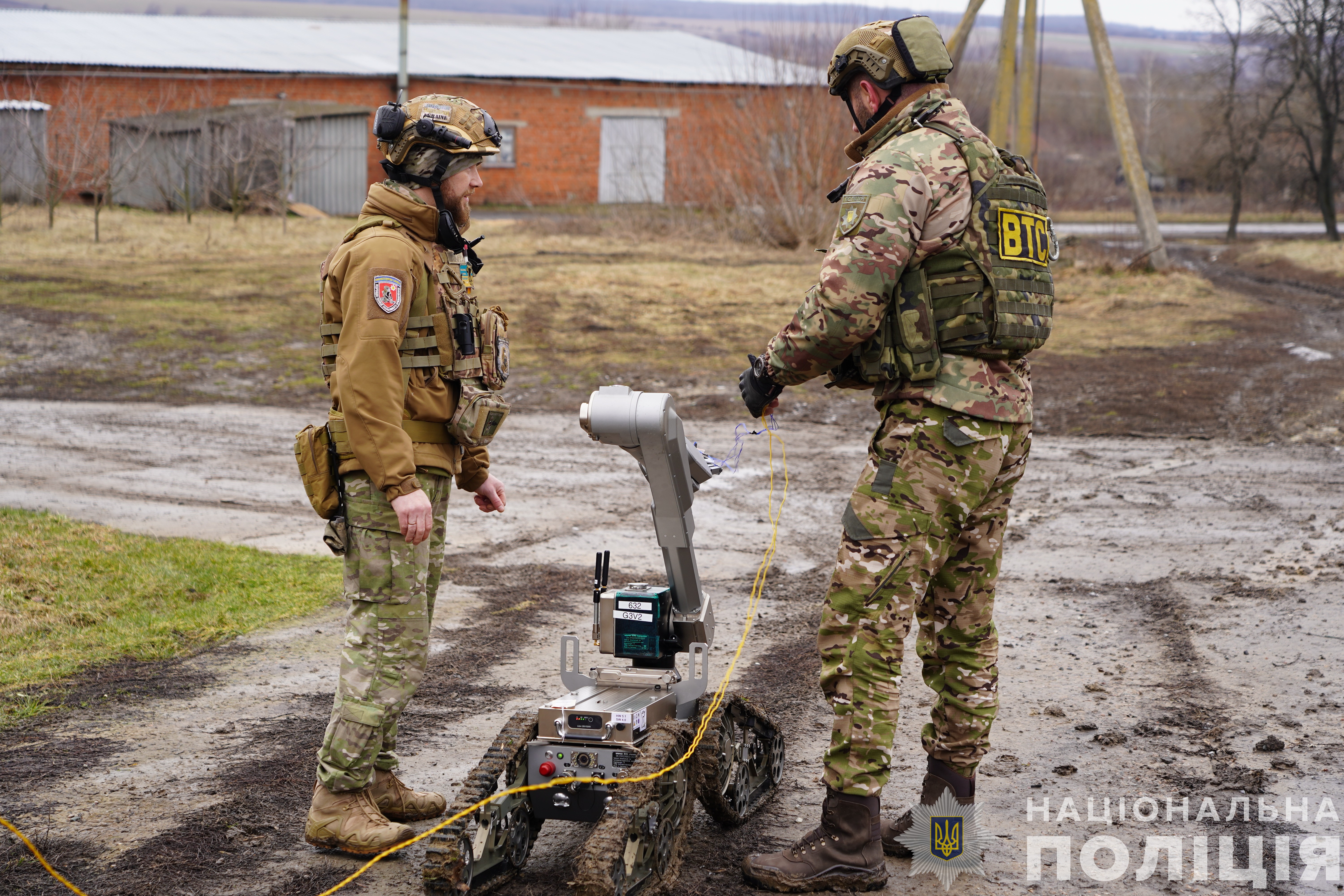
Russian forces launched massive strikes on Ukrainian cities Thursday, including at least six explosions in the city of Sumy [2].
These attacks coincide with the introduction of special restrictions for Ukrainian citizens both domestically and within the European Union. The measures signal an escalation in the security environment as the government seeks to protect citizens amidst intensified hostilities.
Ukrainian air defenses were active throughout the night to counter aerial threats. Reports indicate that 109 out of 116 enemy drones were shot down [1]. Despite these interceptions, the morning strikes targeted urban centers, with Sumy in northern Ukraine bearing significant impact [2].
In response to the shifting security landscape, Ukrainian authorities have implemented special measures for citizens residing in the north of the country and those currently in the EU [1]. These restrictions are designed to safeguard the population as Russian strikes continue to target civilian and strategic infrastructure.
Presenter Ivan Kostrobiy said the developments during the TSN 12:00 news broadcast on May 21, 2026 [1]. The reports highlight a coordinated effort by the state to manage citizen movement and safety during a period of heightened volatility.
The strikes on Sumy and the subsequent administrative restrictions reflect a broader pattern of volatility in northern Ukraine. By limiting certain activities and movements, the government aims to reduce casualties and streamline emergency responses in high-risk zones [1].
“At least six explosions were heard in Sumy in the morning.”
The combination of heavy aerial bombardment and new administrative restrictions suggests that Ukraine is bracing for a sustained period of intensified strikes. The extension of these measures to citizens in the EU indicates that the conflict's security implications are now being managed beyond national borders, reflecting a state of heightened alert for the global Ukrainian diaspora.


