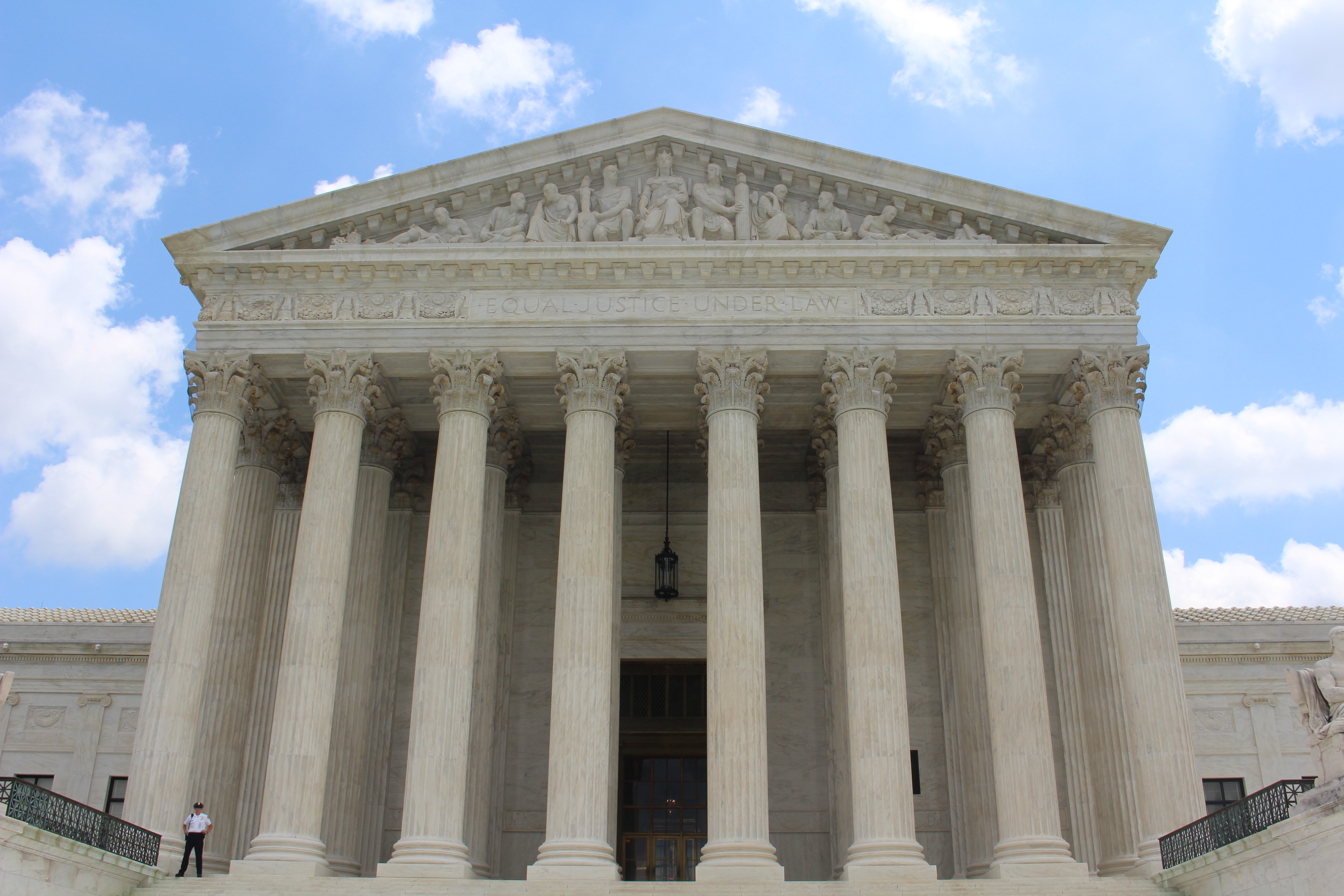
The Supreme Court refused an urgent hearing on a plea challenging a Madras High Court order that quashed the appointment of personal assistants [1].
This decision leaves in place a lower court ruling that invalidated staffing appointments based on findings of procedural misconduct. The outcome affects the administrative support structure for judges within the Madras High Court and reinforces judicial oversight of hiring practices.
The dispute centers on the appointment process that took place in 2023 [1]. The Madras High Court previously issued an order to invalidate these positions after identifying "illegalities and irregularities" in how the assistants were selected [1].
Those affected by the quashed appointments sought an expedited review from the nation's highest court to reverse the decision. However, the Supreme Court declined to grant the request for an urgent hearing [1].
The court's refusal means the legal challenge will proceed through standard scheduling rather than an accelerated timeline. The underlying issue remains the validity of the 2023 hiring cycle and whether the identified irregularities warrant a total reversal of the appointments [1].
“The Supreme Court refused an urgent hearing on a plea challenging a Madras High Court order”
The Supreme Court's refusal to expedite this case suggests it does not view the staffing irregularities as an immediate constitutional crisis requiring emergency intervention. By adhering to a standard timeline, the court allows the Madras High Court's findings of procedural illegality to stand in the interim, signaling a strict adherence to merit-based and transparent appointment protocols in the judiciary.


