
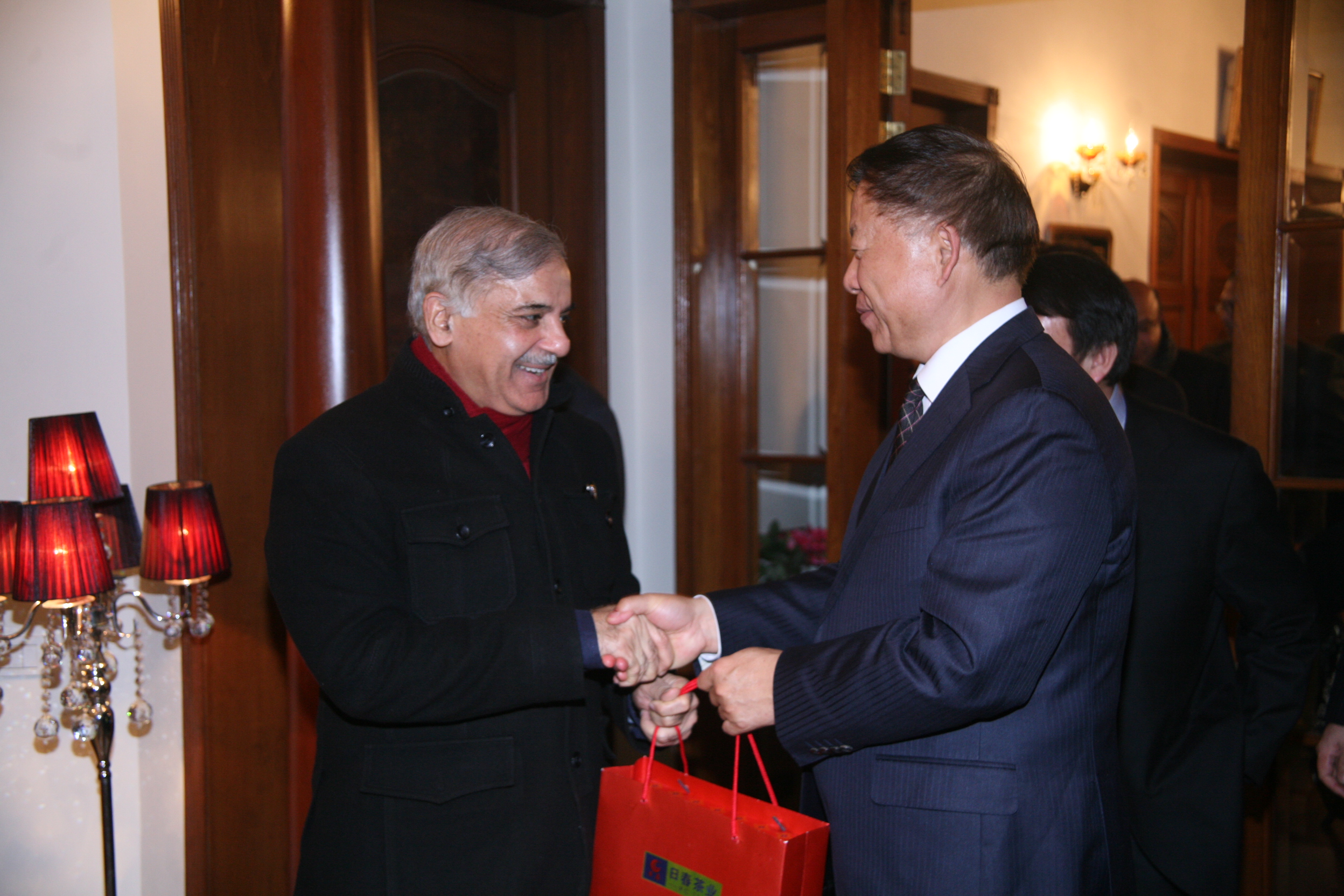
Pakistani Prime Minister Shehbaz Sharif visited Beijing earlier this month to reaffirm the strategic partnership between Pakistan and China [1].
The visit underscores the critical economic and diplomatic reliance Pakistan maintains on Beijing, particularly as both nations navigate regional instability and the continued development of the China-Pakistan Economic Corridor.
During the state visit, which lasted three days [2], Sharif praised China's economic power and said the bilateral bond is a relationship second to none [3]. He characterized the two nations as "iron brother" countries [1].
President Xi Jinping echoed these sentiments during the meetings. Xi said the friendship between China and Pakistan is unbreakable [1].
The discussions focused on deepening strategic cooperation and expanding economic ties. According to reports, the leaders addressed regional diplomatic issues, including Pakistan's role in mediating tensions involving Iran [2].
While reports on the exact start date of the visit vary between May 22 and May 23, 2026 [1, 2], the meetings centered on the long-term stability of the CPEC framework. Sharif said the cooperation between the two states remains a cornerstone of Pakistan's foreign policy.
The Prime Minister's visit comes at a time when Pakistan continues to seek Chinese support to stabilize its internal economy and maintain regional security, a priority that aligns with Beijing's broader goals in South Asia.
“"China and Pakistan are 'iron brother' countries."”
The high-level rhetoric during this visit reinforces the 'all-weather' nature of the Pakistan-China alliance. By framing the relationship as 'unbreakable' and 'second to none,' both leaders are signaling to the international community that their strategic alignment remains intact despite global economic volatility and shifting diplomatic pressures in the region.


