
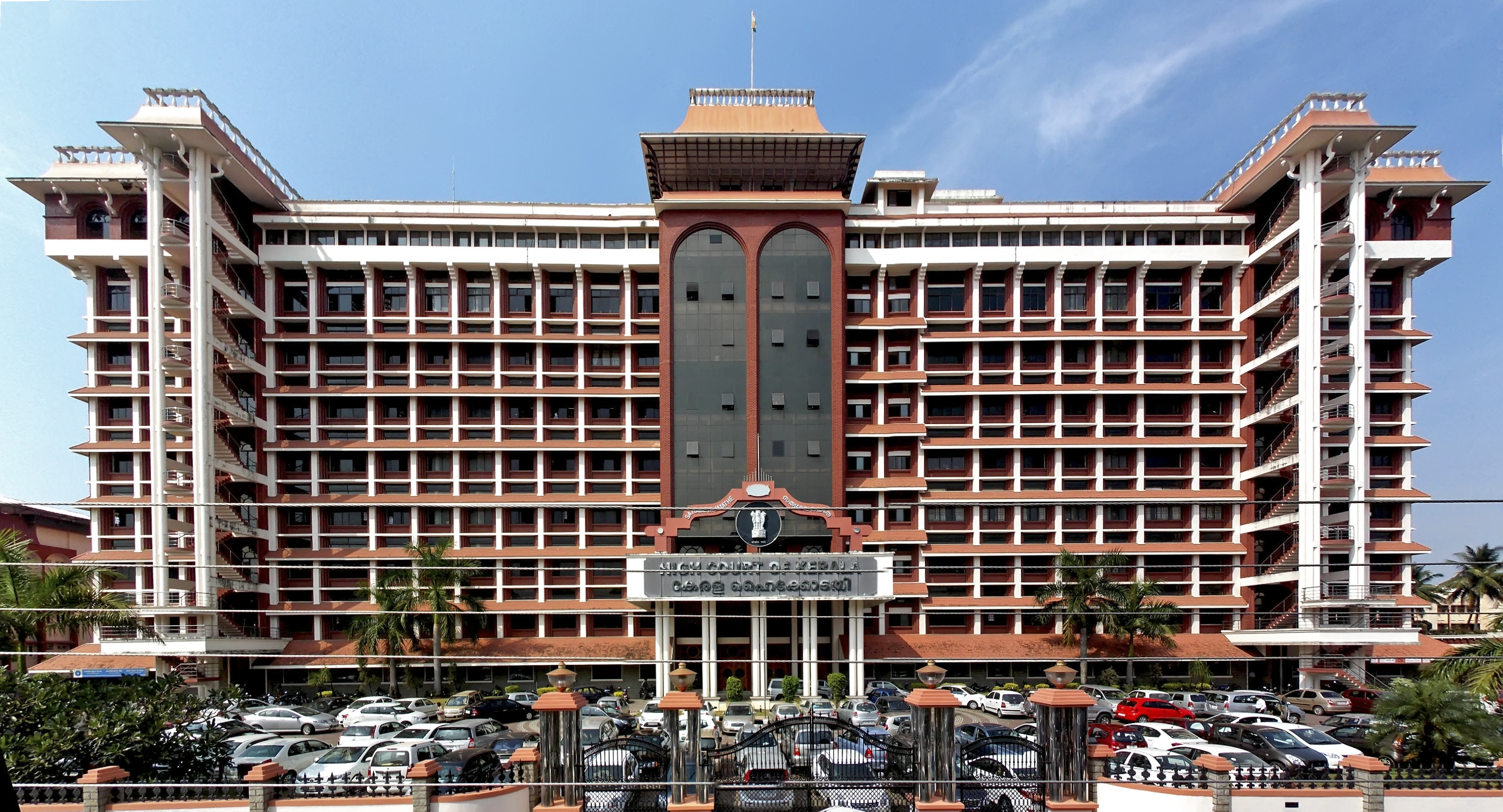
The Thalassery Additional District and Sessions Court cancelled the bail of all 17 [1] accused in the Shuhaib murder case on Monday, May 19, 2024.
The decision marks a significant shift in the legal proceedings of a politically sensitive case, as the court moved to ensure the trial could proceed without further obstruction from the defense.
The court, located in the Kannur district of Kerala, ordered that the defendants be remanded to judicial custody [1], [3]. This action follows a series of delays in the trial process that the judiciary determined were avoidable.
According to court records, the judge said this step was taken because the defense refused to cooperate with the trial [2]. Specifically, the defense team refused to cross-examine witnesses, a critical component of the judicial process required to reach a verdict [2], [4].
The refusal to engage in the cross-examination process effectively stalled the proceedings. The court said that the failure to cooperate warranted the revocation of bail for the 17 [1] individuals involved. By remanding them to custody, the court aims to compel adherence to the trial schedule and prevent further delays in the pursuit of justice for Shuhaib.
Legal observers in Kerala have noted the rarity of a court cancelling bail for an entire group of accused simultaneously. The move signals a strict judicial stance against tactics intended to prolong trials or obstruct the legal mechanism in high-profile murder cases [2].
“The Thalassery Additional District and Sessions Court cancelled the bail of all 17 accused”
The cancellation of bail for all 17 defendants underscores the court's intolerance for trial obstruction. By remanding the accused to judicial custody, the judiciary is attempting to break a deadlock caused by the defense's refusal to cross-examine witnesses, ensuring that the legal process moves toward a resolution despite the political sensitivities surrounding the case.


