
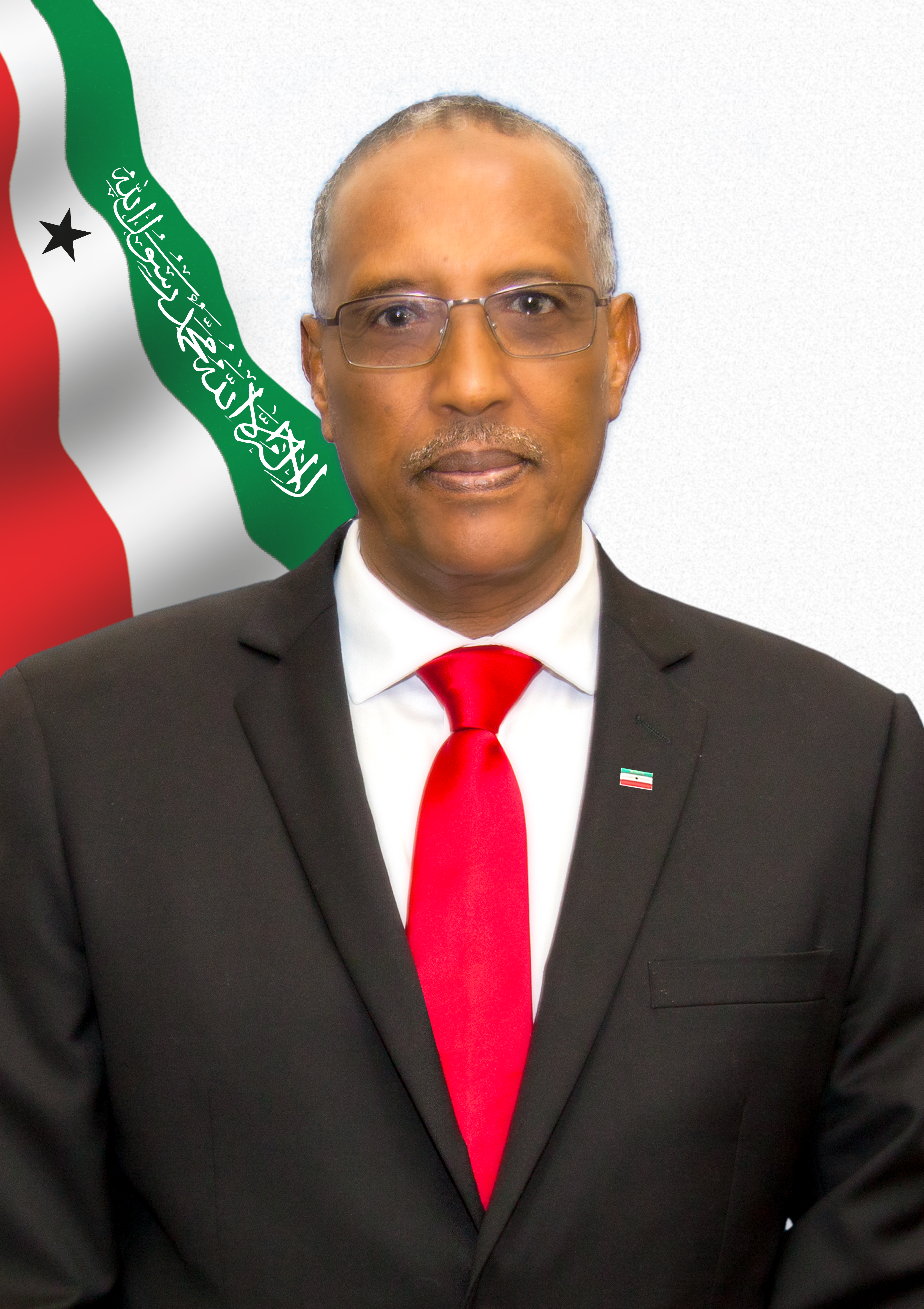
Somaliland celebrated its independence on Monday with military parades and political speeches in the capital city of Hargeisa [1].
The event marks a critical moment in the region's struggle for legitimacy. While the territory operates as a sovereign state, it continues to seek formal diplomatic status from the global community to secure its political and economic future.
Thousands of people gathered in Hargeisa to observe the 35th anniversary of the 1991 declaration of independence [1], [2]. The festivities included traditional dances and a military parade designed to showcase the stability of the state. A resident of Hargeisa said, "Thousands gathered to celebrate our freedom and identity" [1].
President Muse Bihi Abdi used the occasion to reiterate the administration's goals for the future. He said, "We will continue to seek recognition from the international community" [1].
A central point of the day's events was the presence of an Israeli envoy. Reports indicate that Israel has formally recognized the envoy, a move that Somaliland officials view as a breakthrough in their diplomatic efforts [2]. The Somaliland Foreign Minister said, "The presence of the Israeli envoy today is a historic step for Somaliland" [2].
Despite these developments, the region's international status remains a point of contention. Some reports indicate that Israel's recognition of an envoy is a step toward broader recognition [2], while other accounts suggest the entity remains unrecognized by sovereign states [2]. This tension underscores the complex nature of Somaliland's pursuit of statehood as it attempts to build a network of international allies through strategic diplomatic appointments.
“"We will continue to seek recognition from the international community."”
The 35th anniversary highlights a strategic shift in Somaliland's diplomacy, moving from general appeals for recognition to establishing specific, formal ties with individual nations. The recognition of an envoy by Israel suggests a willingness by some states to engage with Somaliland independently of the Somali federal government, potentially creating a blueprint for other nations to follow despite the lack of universal recognition.


