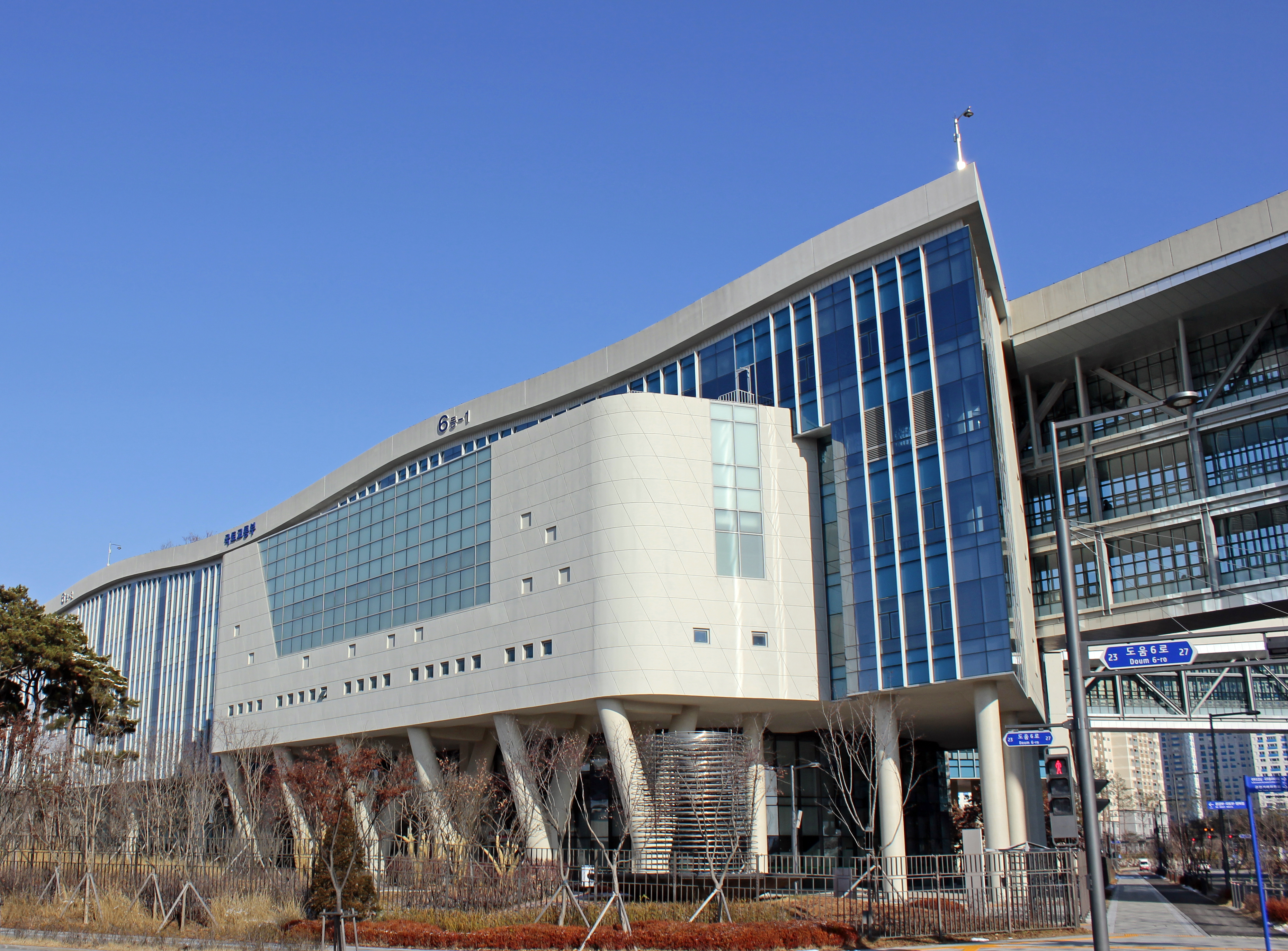
South Korean officials and experts met Tuesday to discuss how loan-related regulations are hindering the supply of reconstructed and non-apartment housing [1].
The forum highlights a critical gap between the government's "supply at all costs" slogan and the reality of private redevelopment. If loan restrictions continue to block the flow of jeonse-funds, resident relocation slows down, which effectively freezes the construction of new homes.
Minister Kim Yoon-deok of the Ministry of Land, Infrastructure and Transport attended the first real-estate policy forum in the ministry's Seoul conference room [1]. Deputy Minister Kim I-tak and approximately 60 experts, citizens, and officials also participated in the session [1].
Participants criticized current regulatory constraints, saying that strict loan rules make it difficult for residents to secure the funds necessary to move out of old properties. This bottleneck prevents private redevelopment projects from moving forward, limiting the availability of non-apartment housing options [2].
Critics at the forum said that without deregulation, the government will struggle to meet its housing targets. They called for a shift in policy to revive private sector involvement in urban renewal [2].
Kim said, "I will do my best to ensure that these points are well reflected so that the real estate problem can be resolved this time" [1].
“Loan-related regulations are hindering reconstruction and non-apartment housing supply.”
The friction between the South Korean government's aggressive supply goals and its restrictive financial regulations creates a policy deadlock. By limiting loan access, the state inadvertently prevents the very relocation required to clear land for new construction, suggesting that housing shortages may persist until financial deregulation aligns with urban planning goals.