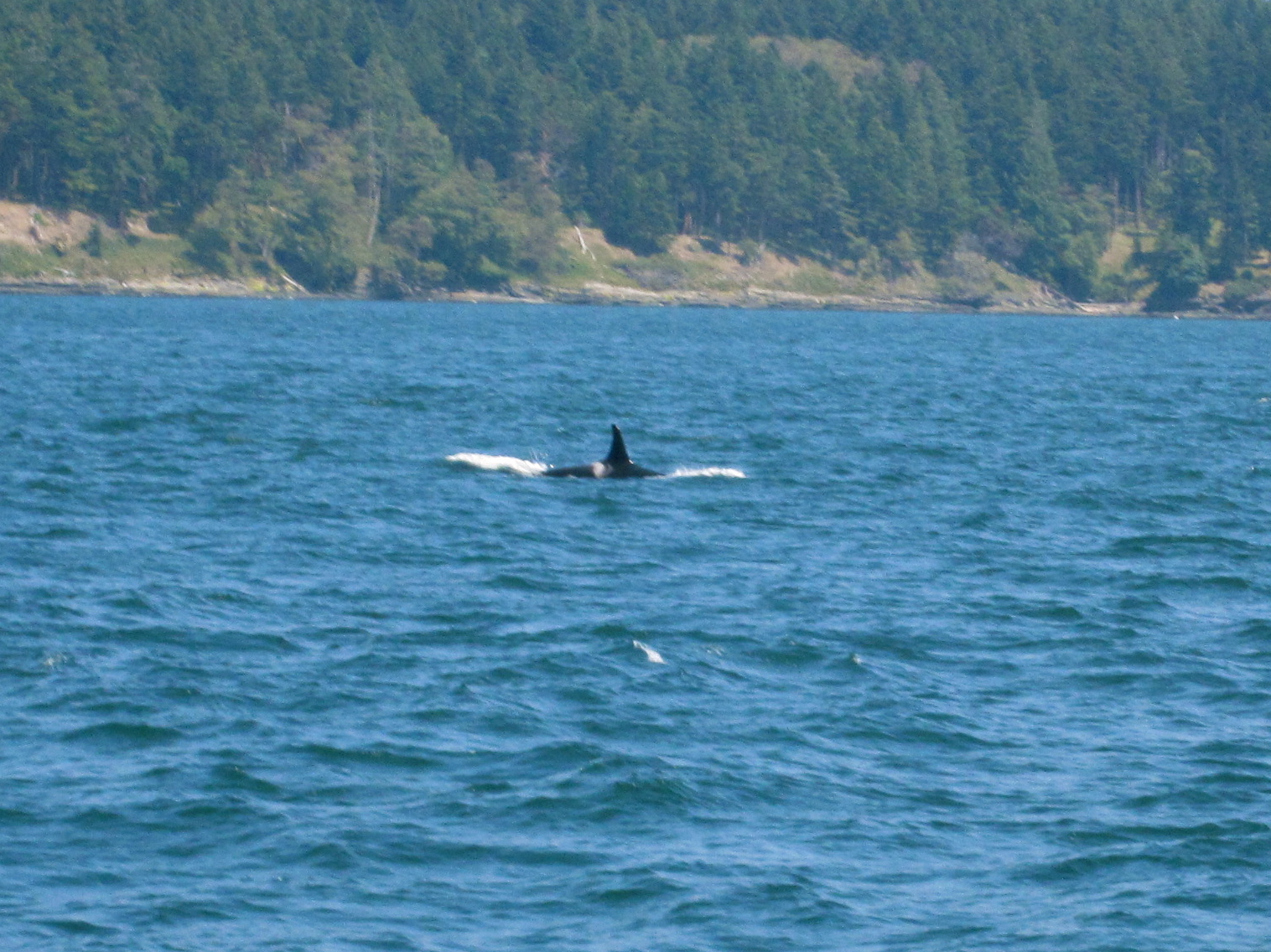
The Center for Whale Research confirmed the birth of a new southern resident orca calf, designated L130, in the Salish Sea [1].
This addition is significant because the southern resident killer whale population is critically endangered [2]. The birth provides a rare boost to a group that has struggled to recover its numbers over recent years [2].
Researchers first spotted the calf on June 14, 2026 [2]. The newborn belongs to L-Pod, one of the three pods that make up the southern resident community [1]. This group is distinct from other orca populations due to its specific diet, and geographic range within the Pacific Northwest.
Monitoring the Salish Sea allows researchers to track the health and growth of the calf as it integrates into the pod [1]. The designation L130 follows the standard cataloging system used by the Center for Whale Research to identify individual whales based on their dorsal fins, and other physical characteristics [1].
Conservationists said that every new calf is vital for the long-term survival of the species [2]. The southern resident orcas face ongoing challenges, including prey availability and environmental stressors, which make the successful rearing of a calf a critical milestone for the L-Pod [2].
While the sighting brings optimism, the population remains fragile. The continued monitoring of L130 will provide data on the reproductive success of the L-Pod and the overall viability of the southern resident population in the region [1].
“The birth adds to the critically endangered southern resident orca population.”
The birth of L130 represents a critical biological win for a population on the brink of extinction. Because southern resident orcas have highly specialized feeding habits and limited genetic diversity, each successful birth increases the chances of avoiding a population collapse, though it does not solve the systemic environmental issues threatening the species.


