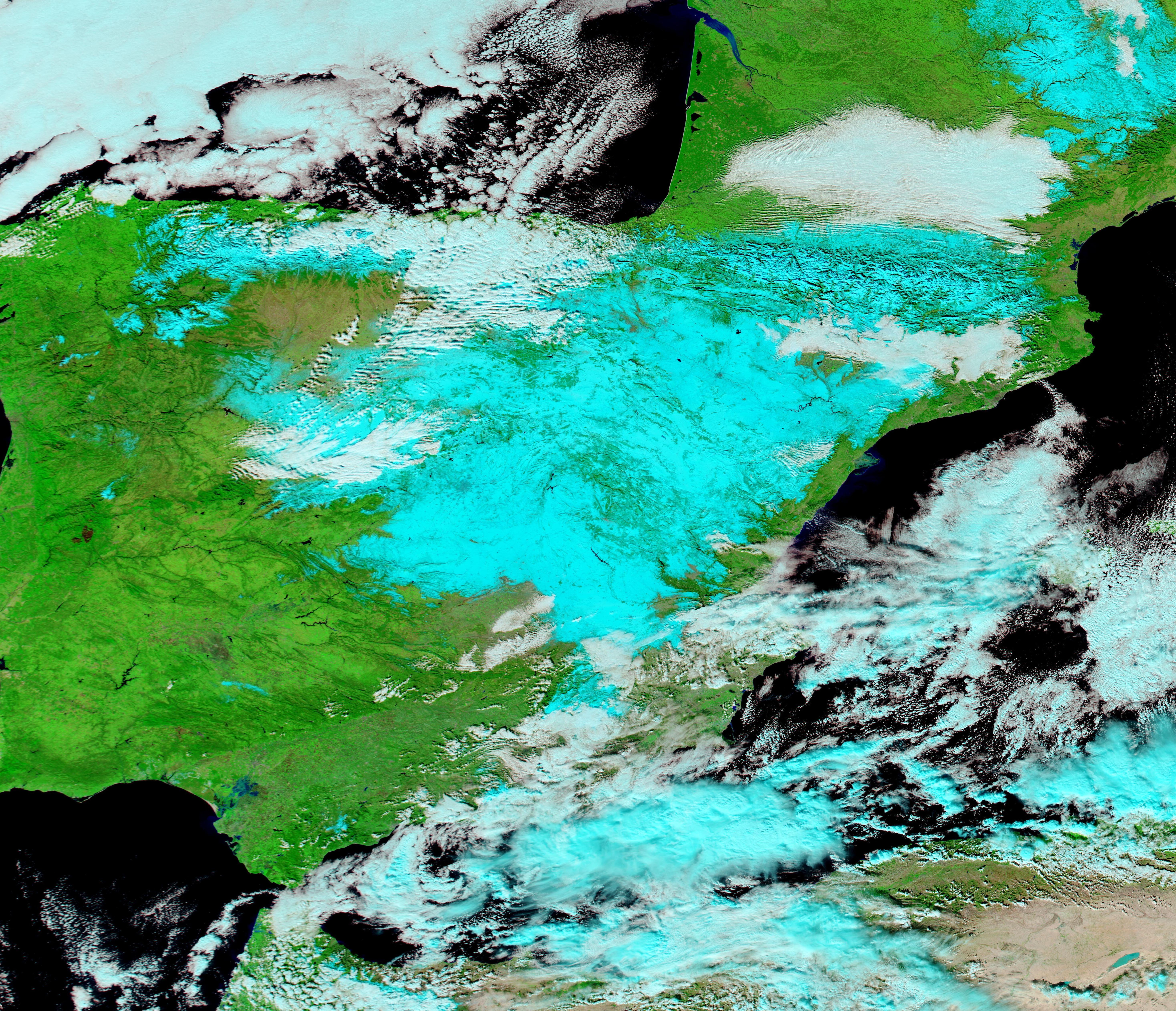
The Spanish government declared a state of emergency on the night of July 23, 2024, as rapidly spreading wildfires tore through the region [1, 2].
The declaration comes as extreme weather conditions create a volatile environment for emergency responders. The scale of the disaster highlights the increasing vulnerability of Southern Europe to climate-driven fire seasons that threaten both urban centers and rural landscapes.
Fires are currently burning out of control in central Spain, particularly in areas near Madrid, and in southwestern France [3, 4]. Officials said the blazes were fanned by extreme heat, dry conditions, and strong winds, which have made containment efforts difficult [3, 5].
The human impact of the fires has been significant. Approximately 80,000 people have been forced to evacuate their homes as the flames advanced [6, 7]. Local authorities said tens of thousands of residents should leave their properties to avoid being trapped by the fast-moving fronts [6].
Emergency crews are working to establish firebreaks and protect residential areas near the affected forests. The state of emergency allows the government to mobilize additional resources and coordinate a more aggressive response to the crisis [1, 2].
While the primary emergency declaration was issued by Spain, the regional nature of the fires has necessitated a broader look at the conditions in France. The combination of high temperatures and low humidity has turned the landscape into a tinderbox, making the current fire season one of the most challenging in recent memory [3, 5].
“Spain declared a state of emergency on the night of July 23, 2024”
The declaration of a state of emergency indicates that local resources were overwhelmed by the speed and scale of the wildfires. By linking the events in Spain and France, the situation underscores a regional climate pattern where extreme heat and drought synchronize across borders, requiring international cooperation and a shift in how Mediterranean countries manage forest fire risks.


