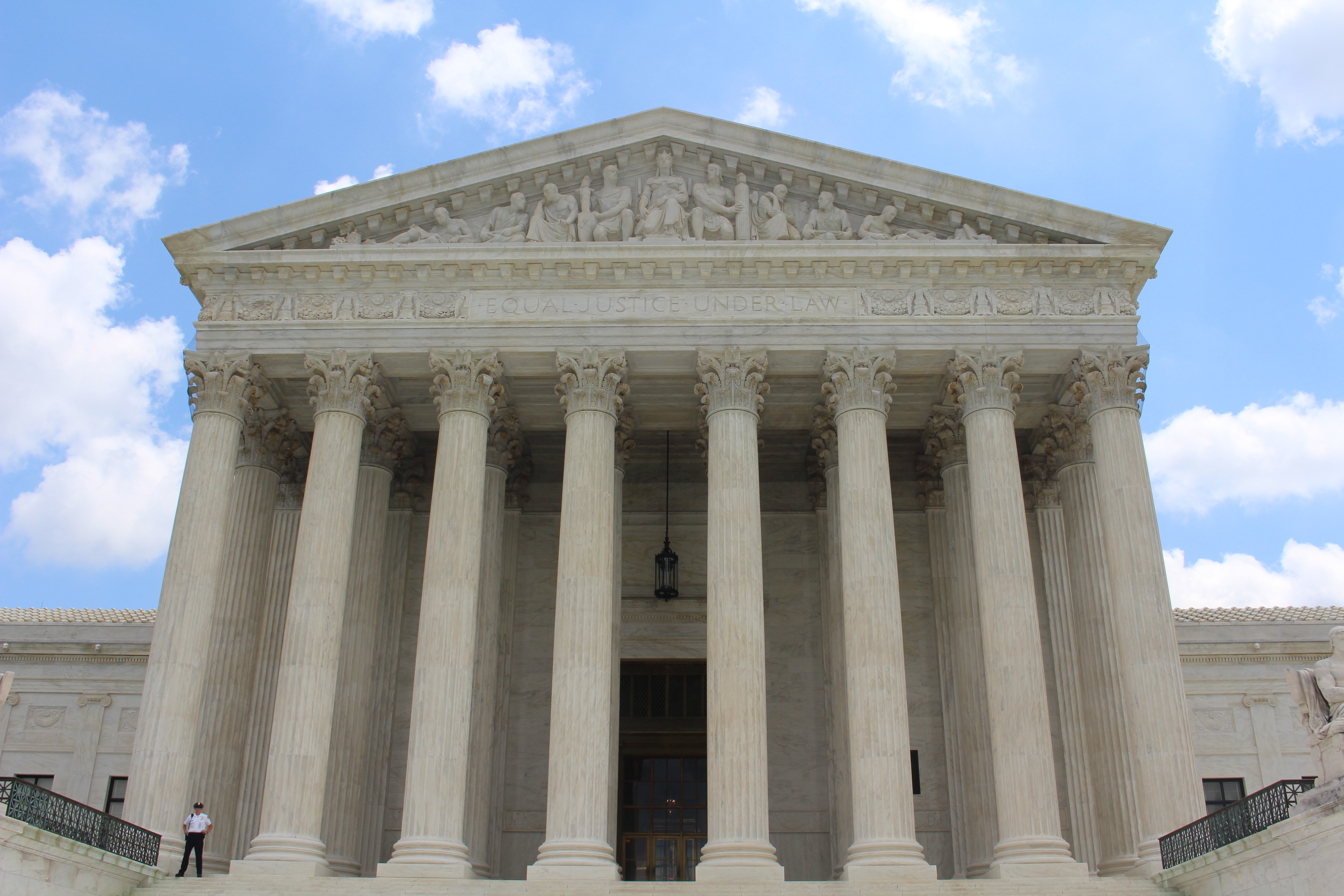
The U.S. Supreme Court upheld birthright citizenship on June 30, 2026 [1], rejecting an executive order from President Donald Trump that sought to limit the practice.
This ruling preserves a fundamental pillar of U.S. immigration law by affirming that the Fourteenth Amendment guarantees citizenship to all persons born in the United States. The decision prevents the executive branch from unilaterally altering the legal status of children born to non-citizen parents.
In its decision, the Court applied the Citizenship Clause of the Fourteenth Amendment [1]. The justices determined that the Constitution provides citizenship to anyone born on U.S. soil regardless of the immigration status of their parents [1], [2]. This ruling directly contradicts the goals of the executive order issued by President Trump.
Reports on the reaction to the ruling vary. The Associated Press said the Court's decision was a clear rebuke of the president's attempt to limit birthright citizenship [1]. Conversely, Yahoo News said President Trump celebrated the ruling, stating it allowed his executive order to take effect in some areas [3].
Legal scholars note that the Fourteenth Amendment was designed to ensure that citizenship is based on the place of birth rather than ancestral heritage. By upholding this principle, the Court maintains a long-standing interpretation of the Constitution that has governed U.S. demographics for generations.
The ruling comes amid ongoing debates over border security and the legal definitions of citizenship. While the executive order sought to create a distinction based on parental status, the Court found no such distinction permitted under the current constitutional text [2].
“The Court applied the Fourteenth Amendment’s Citizenship Clause”
This decision reinforces the judiciary's role in limiting executive power over constitutional interpretations. By affirming that birthright citizenship is a constitutional guarantee rather than a policy preference, the Court has effectively blocked the use of executive orders to redefine citizenship, ensuring that the Fourteenth Amendment remains the primary authority on who is considered a U.S. citizen at birth.


