
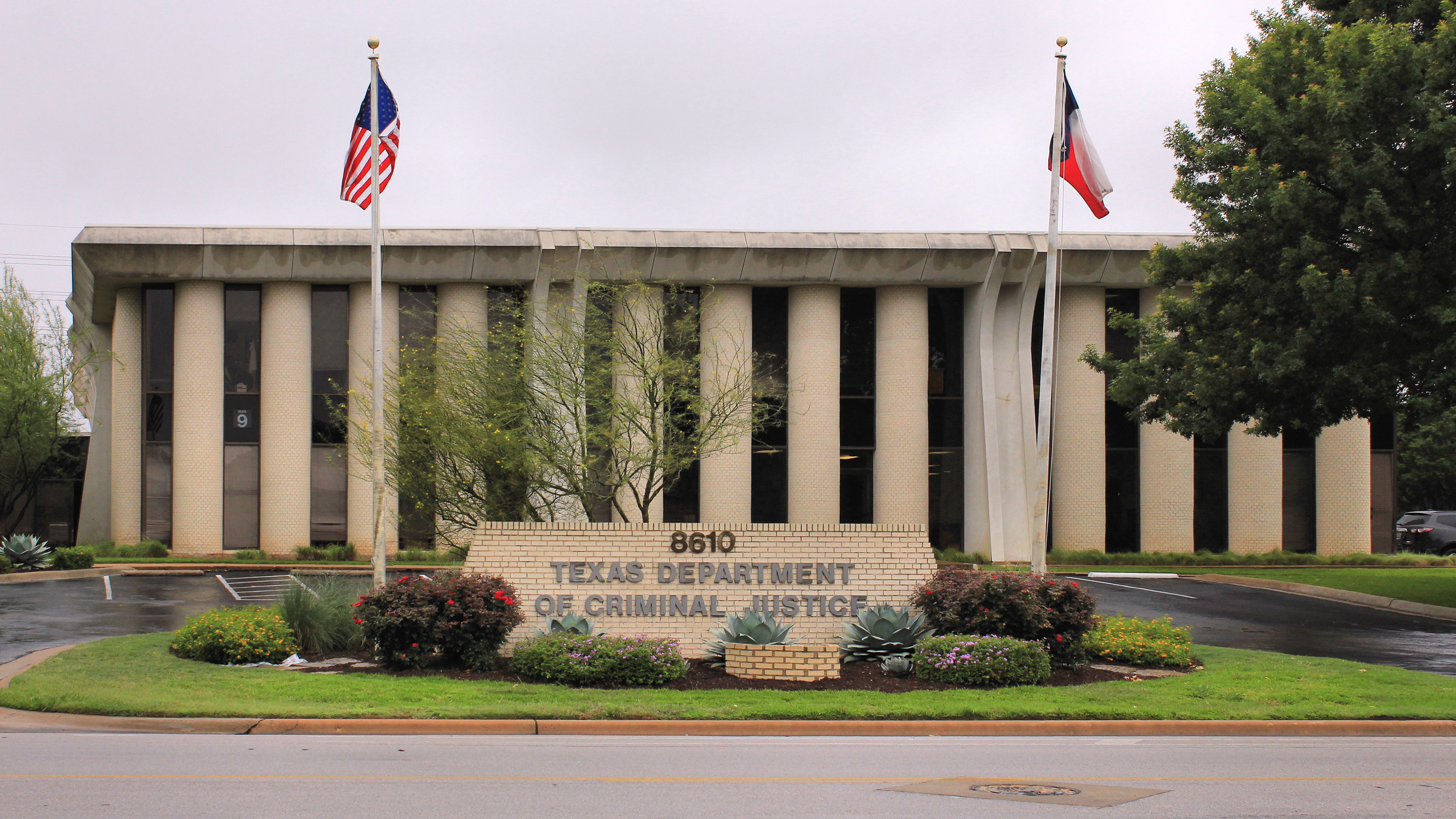
Texas state officials have banned prison inmates from receiving hardback books and many used books through the mail [1, 2].
The policy change restricts access to educational and recreational materials for thousands of incarcerated people. This move highlights the ongoing struggle within the U.S. correctional system to balance inmate rehabilitation with the need to prevent the entry of dangerous contraband into secure facilities.
The Texas Department of Criminal Justice implemented the rule in 2024 [2, 3]. State officials said the ban is necessary to curb the smuggling of synthetic drugs, which are often hidden within the pages or bindings of books [1, 2].
According to state reports, hundreds of inmates tested positive for synthetic drugs [1]. The prevalence of these substances led officials to identify hardback books and used copies as primary vectors for smuggling [1, 3].
Under the new regulations, the department will limit the types of reading materials that can be sent to prisoners. This restriction targets specifically the physical construction of hardback books, which provide more concealment opportunities, and the unpredictable origin of used books [2, 3].
Critics of the policy argue that restricting access to literature hinders the rehabilitative process. However, the department said that the safety of the facility and the prevention of drug distribution must take priority over the variety of reading materials available to inmates [1, 2].
“Texas state officials have banned prison inmates from receiving hardback books and many used books.”
This policy reflects a shift toward high-security containment over rehabilitative programming in Texas prisons. By targeting the physical medium of books, the state acknowledges that synthetic drugs have become sophisticated enough to bypass standard mail screenings, suggesting that the drug crisis has deeply penetrated the state's correctional infrastructure.


