
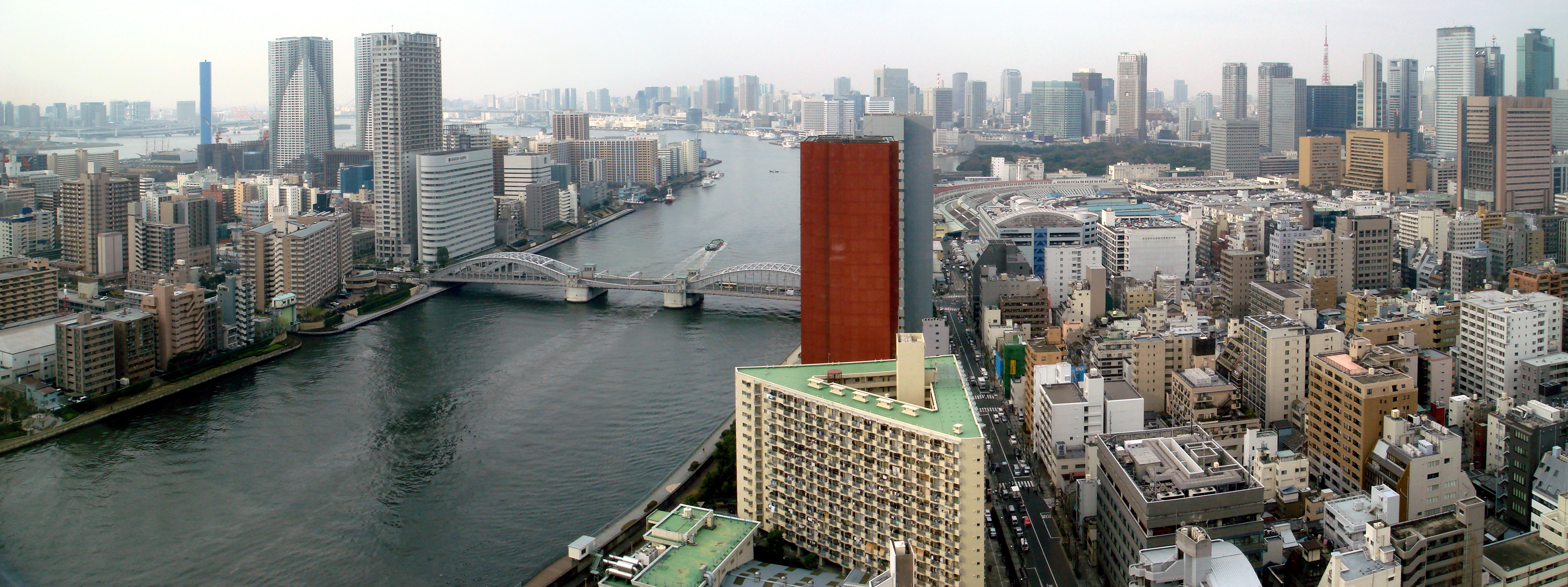
Average prices for both new and used condominiums in Tokyo's 23 wards have climbed to approximately 100 million yen [1].
This surge in real estate costs creates a significant barrier for residents, as typical homes in the capital transition into "okushon" — a Japanese term for luxury apartments costing over 100 million yen. The trend suggests that middle-class homeownership in the city center is becoming increasingly unattainable.
Data from April 2024 shows the average price for a new condominium reached 124.98 million yen [1]. Meanwhile, the average price for a used condominium was slightly higher at 127.24 million yen [1]. Some reports indicate that new construction prices rose by approximately 40% compared to the previous year [1], while other data suggests prices increased by more than 20 million yen over the past year [2].
Several economic factors are driving this inflation. Rising costs for construction materials and labor have pushed up the price of new builds, while a weak yen has increased demand from overseas investors [3]. Because demand continues to outpace supply, prices remain high.
Yuichi Tanbo said that properties with convenient transportation and living amenities have become particularly popular. He said that as new prices rise, more customers are forced to consider used condominiums [1].
The shift toward high-priced housing is most evident in specific districts. The proportion of used apartments costing over 100 million yen has increased 15-fold in less than 10 years, with Minato Ward reaching a rate of 54.5% [4].
Industry observers said that 100-million-yen price tags will likely become the standard for used apartments in the city center moving forward [2].
“Average prices for both new and used condominiums in Tokyo's 23 wards have climbed to approximately 100 million yen.”
The convergence of new and used apartment prices at the 100-million-yen mark indicates a fundamental shift in Tokyo's urban economy. By pricing out local buyers and attracting foreign capital through a weak yen, the city is seeing a transition where central residential real estate functions more as a global investment asset than as housing for the general population.


