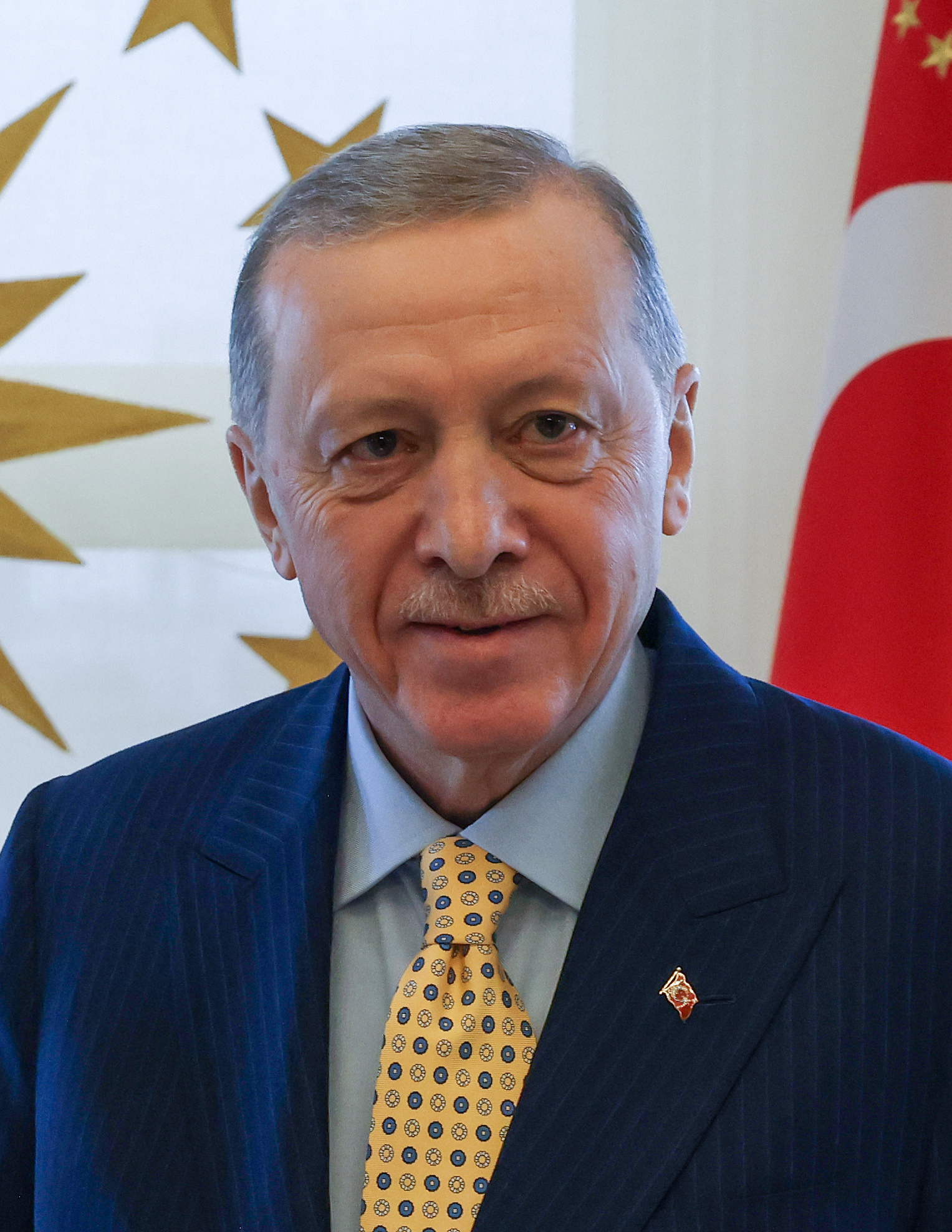
U.S. President Donald Trump arrived in Ankara on July 7, 2026 [1], where he received a ceremonial welcome from Turkish President Recep Tayyip Erdogan.
The visit marks a critical juncture for the North Atlantic Treaty Organization as the alliance grapples with regional security and the ongoing war in Ukraine. The summit serves as a venue to address internal frictions regarding member contributions and strategic priorities.
Erdogan provided an opulent greeting for the U.S. president upon his arrival in the Turkish capital. The two leaders appeared to maintain a positive personal rapport during the initial proceedings. "We have great chemistry," Trump said during his arrival ceremony.
Erdogan said, "Turkey is happy to host President Trump and we look forward to fruitful discussions." The meeting is the start of a two-day summit [2] designed to resolve alliance issues and strengthen security ties.
Despite the warm reception from the Turkish host, the U.S. president expressed frustration with other NATO members. Trump criticized European allies, stating, "NATO must do more to support its members." Reports indicate Trump felt let down by these allies even as he praised Erdogan.
While political tensions persist, the summit has already seen significant economic activity. NATO has showcased arms deals worth tens of billions of dollars [3] as the member nations seek to modernize their military capabilities. These deals highlight the intersection of defense procurement and geopolitical diplomacy during the gathering.
“"We have great chemistry,"”
The contrast between Trump's praise for Erdogan and his criticism of European allies suggests a shift toward bilateral diplomacy over collective alliance cohesion. By emphasizing personal chemistry with a key regional power while berating the broader NATO bloc, the U.S. administration may be leveraging internal alliance divisions to pressure European nations into increasing their defense spending.


