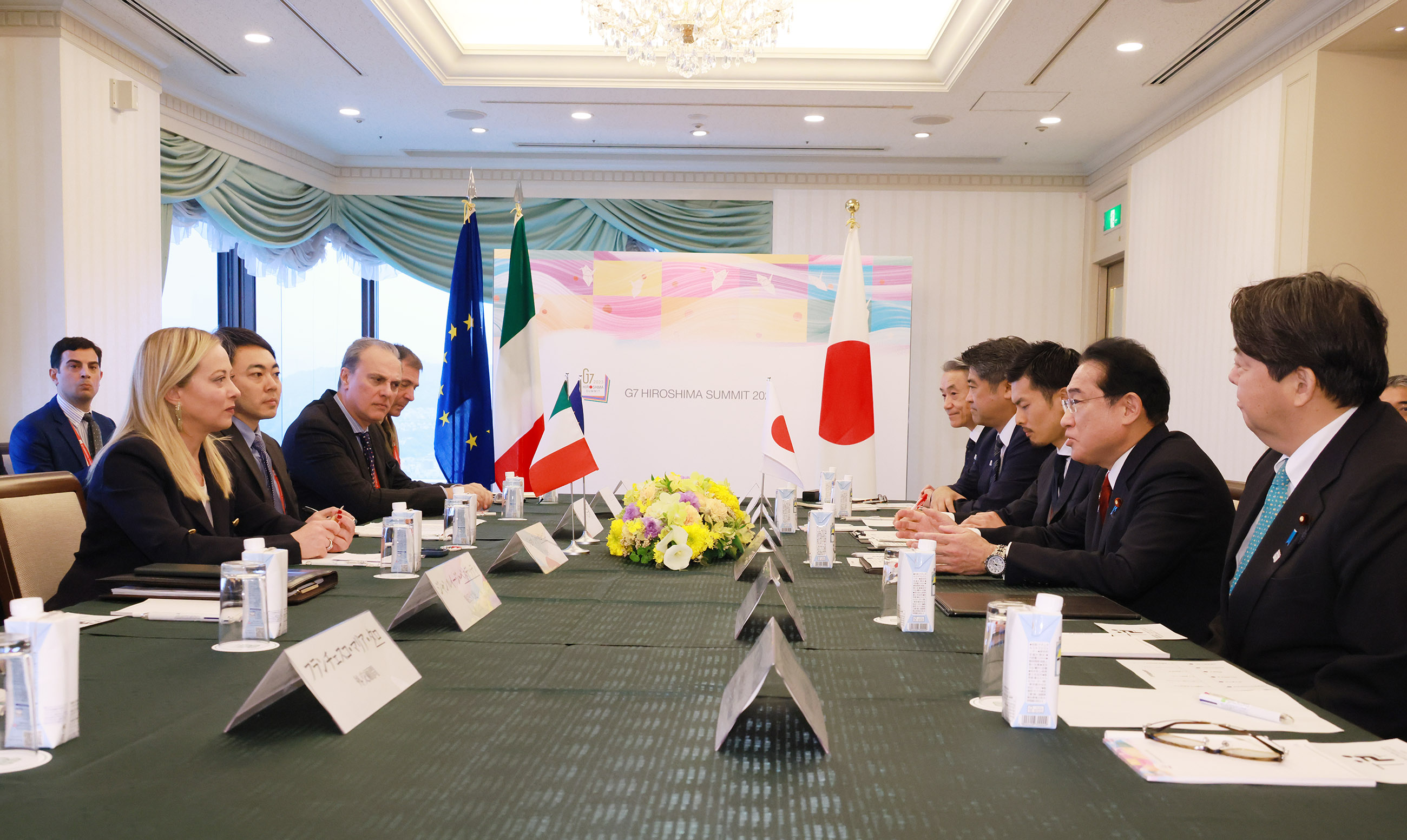
President Donald Trump is in France for the G7 summit in Evian, where he is expected to face questions from world leaders regarding an Iran agreement [1, 3].
The scrutiny comes as the peace deal negotiated by the Trump administration faces fresh hurdles, complicating diplomatic efforts to stabilize the Middle East [1, 4].
World leaders have sought clarity on the terms and sustainability of the agreement. The discussions in Evian are occurring against a backdrop of regional volatility, with the U.S. president also urging Israeli Prime Minister Benjamin Netanyahu to be more responsible regarding Lebanon [4].
While some reports indicate Trump is engaging with leaders on the Iran deal and the conflict in Israel, other accounts suggest the president may cut the summit short [1, 2]. Reports from The Independent indicate Trump addressed questions about returning to Washington early as the Middle East crisis persists [3].
Trump said that Iran wants to de-escalate the conflict with Israel [5]. This position remains a focal point of the summit as the G7 members weigh the implications of the U.S.-led deal on global security, and the stability of the Strait of Hormuz [2].
The summit in France serves as a critical juncture for the administration to defend its foreign policy approach. The tension between the desire for de-escalation and the emerging hurdles of the peace deal has placed the U.S. president under significant pressure from both allies and adversaries [1, 4].
“President Donald Trump is in France for the G7 summit in Evian”
The focus on the Iran agreement at the G7 summit highlights a potential rift between US foreign policy goals and the expectations of international allies. If the deal continues to face hurdles, it may weaken the US's ability to lead a unified global response to Middle East instability, particularly concerning the balance between Israeli security and Iranian concessions.