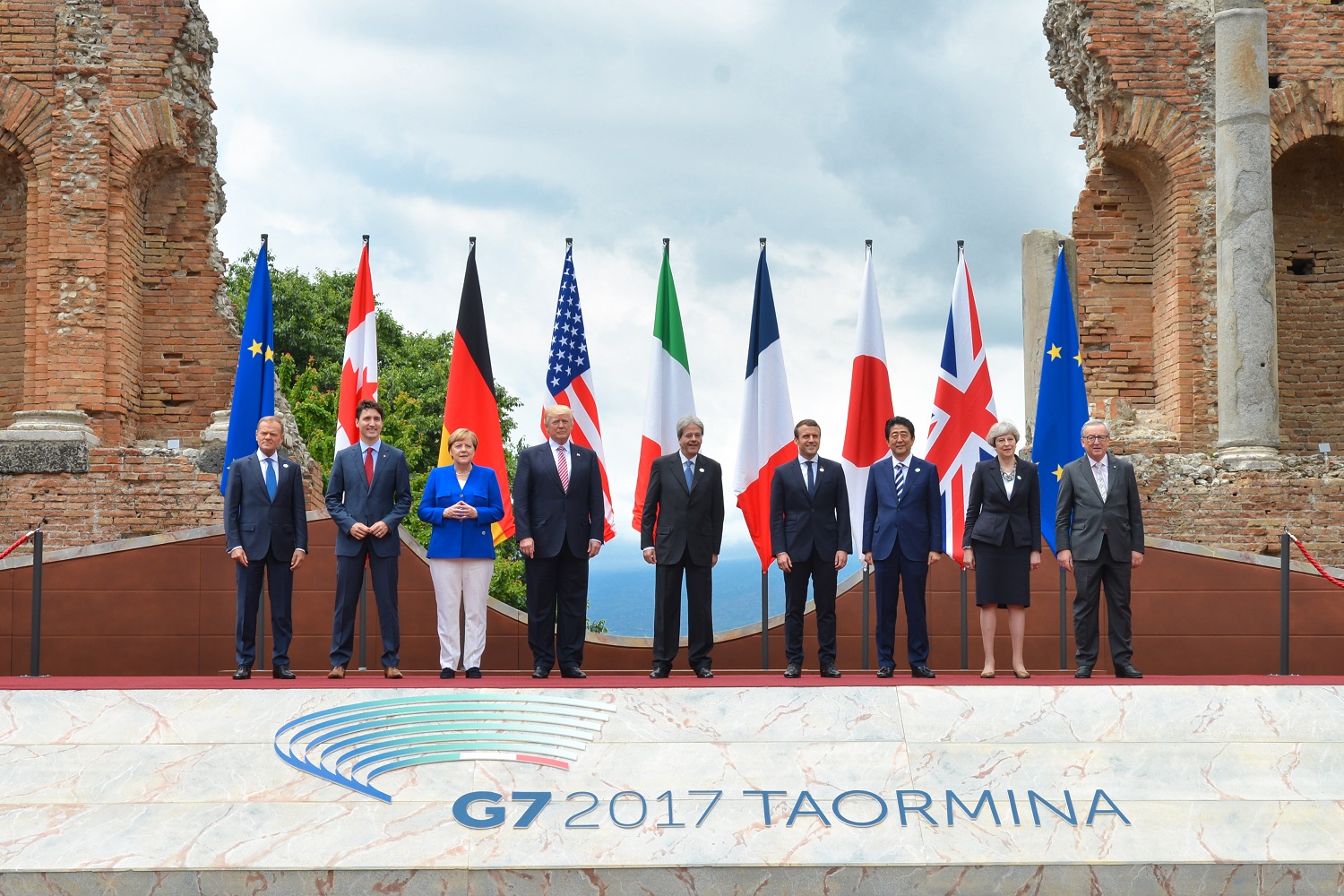
U.S. President Donald Trump held a press conference Wednesday in Evian‑les‑Bains, France, to discuss a tentative agreement with Iran [1].
The announcement comes as global leaders seek a resolution to the Iran-Israel conflict and a way to ensure the stability of the Strait of Hormuz. The outcome of this memorandum of understanding could shift the geopolitical landscape of the Middle East, and impact global energy shipping routes.
Speaking at 9:30 a.m. [2] at the conclusion of the G7 summit, the president detailed his plan to resolve ongoing security issues [3]. The proposal focuses on a memorandum of understanding that aims to end active hostilities, and reopen critical maritime corridors [1].
Trump addressed the potential for volatility during the negotiation process. "We will go back to shooting at Iran if he doesn't like the final deal," Trump said [1].
The president also directed criticism toward Israeli leadership regarding the regional stability. "Netanyahu has to be more responsible," Trump said [3].
The summit in Evian‑les‑Bains served as the backdrop for these discussions, with other G7 leaders welcoming the tentative nature of the deal [1]. The administration is presenting the plan as a path toward long-term security, though it remains contingent on the final terms agreed upon by the involved parties [1].
Trump's approach combines diplomatic frameworks with the threat of renewed military action, a strategy designed to pressure Iran into accepting the terms of the memorandum [1].
“"We will go back to shooting at Iran if he doesn't like the final deal."”
The introduction of a tentative memorandum of understanding suggests a shift toward a conditional peace framework in the Middle East. By linking the reopening of the Strait of Hormuz to a specific deal, the U.S. is attempting to leverage global economic interests to secure regional security concessions from Iran.

