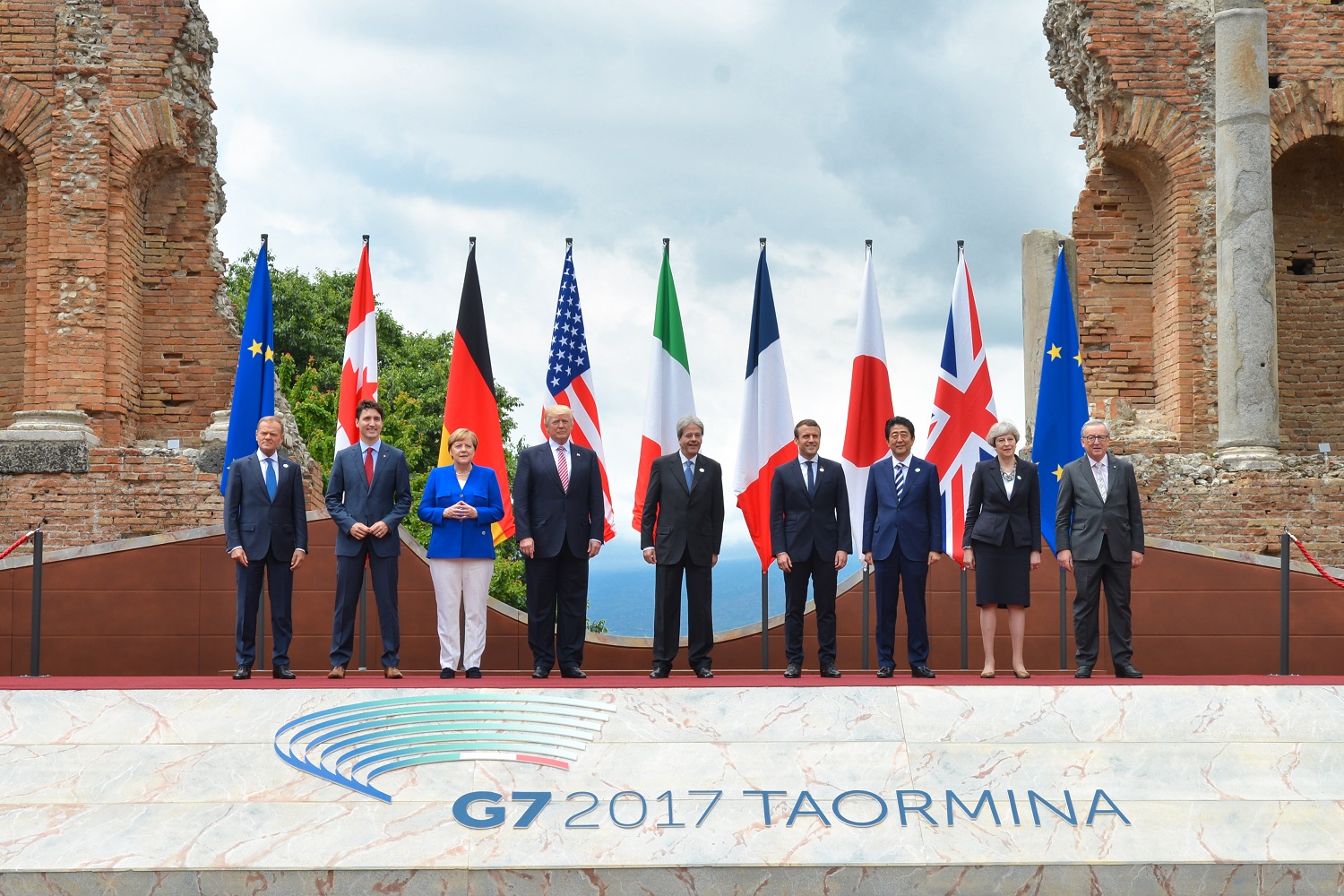
President Donald Trump arrived in Evian-les-Bains, France, on Monday to join G7 leaders for a summit running from June 15 to 17, 2026 [1].
The gathering marks a critical diplomatic pivot as the U.S. seeks international support for a newly announced agreement to end the war with Iran. The summit serves as the first major multilateral forum for the G7 to coordinate a global response to this shift in Middle East stability.
Trump met with the other six heads of state from Canada, France, Germany, Italy, Japan, and the United Kingdom [2]. The seven leaders gathered for a high-stakes working dinner on the shores of Lake Geneva in the French Alps [2, 3].
During the proceedings, Trump emphasized the significance of the truce. "We have achieved a historic peace with Iran," Trump said [4]. He noted that the agreement would end the conflict, stating, "We are ending the war with Iran" [5].
The president framed the agreement as a catalyst for global stability. "This deal will lead to a lot of success for the world," Trump said [6].
Beyond the U.S.-Iran agreement, the leaders are scheduled to discuss other pressing global issues throughout the three-day summit [7]. The meeting in Evian-les-Bains is intended to align the G7's strategic approach to the new peace framework and ensure the truce remains durable across international borders [3, 7].
“"We have achieved a historic peace with Iran."”
The G7's immediate focus on the U.S.-Iran agreement suggests a coordinated effort to stabilize the Middle East and prevent regional spillover. By presenting the truce to the world's leading industrialized democracies, the U.S. is attempting to legitimize the deal and secure multilateral guarantees that will prevent a return to hostilities.