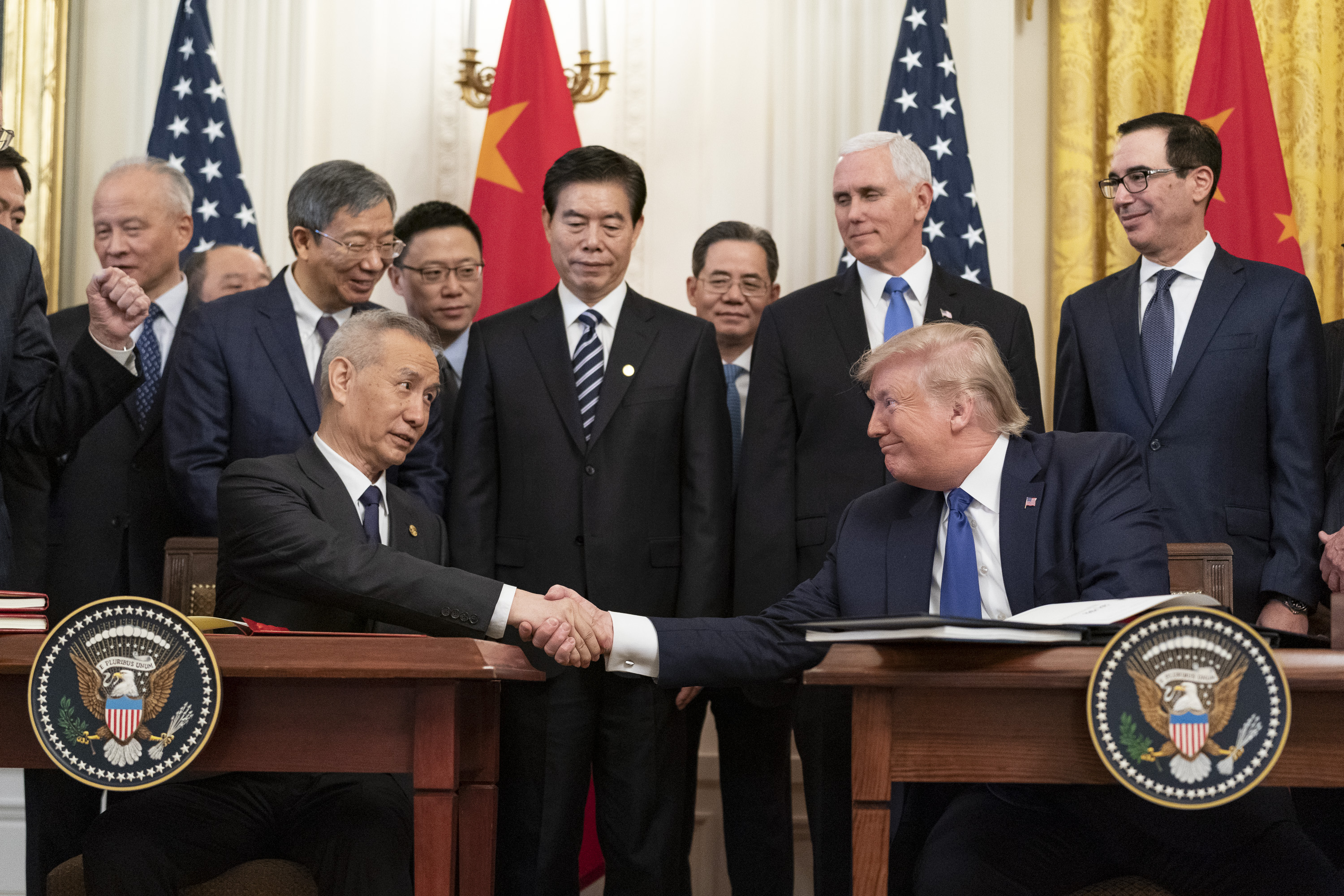
President Donald Trump signed a memorandum of understanding with Iran on Wednesday night [1, 2].
The agreement represents a potential shift in diplomatic strategy toward a region defined by years of tension. By establishing a preliminary framework, the administration aims to stop active conflict and pave the way for a more comprehensive long-term agreement [2, 3].
Senate Republicans have responded to the move with a range of perspectives. Some members of the GOP caucus expressed cautious optimism that the memorandum could stabilize the region. Other Republicans criticized the deal, saying that the initial terms may not be sufficient to ensure national security or curb Iranian influence [1, 4].
Administration officials said the memorandum was a necessary first step toward a better deal. The document serves as a non-binding precursor to future negotiations, intended to lower the temperature between Washington and Tehran [2, 3].
The reactions in Tehran and Tel Aviv have also been varied. While some officials view the move as a pragmatic opening for dialogue, others remain skeptical of the U.S. commitment to the terms [2].
Republicans in the Senate continue to debate whether the memorandum provides enough leverage to secure concessions from Iran. This internal division reflects a broader struggle within the party over the effectiveness of diplomatic engagement versus maximum pressure tactics [1, 4].
“President Donald Trump signed a memorandum of understanding with Iran on Wednesday night”
The signing of this memorandum signals a tactical pivot by the Trump administration to prioritize a negotiated settlement over total isolation. Because the document is an initial understanding rather than a final treaty, its success depends on whether the administration can maintain a coalition of support among Senate Republicans while extracting concrete concessions from Iran.
'%2F%3E%0A%20%20%20%20%3Crect%20width%3D'1600'%20height%3D'900'%20fill%3D'url(%23v)'%2F%3E%0A%20%20%20%20%3Cg%20opacity%3D'0.08'%20fill%3D'%23ffffff'%3E%0A%20%20%20%20%20%20%3Ccircle%20cx%3D'1420'%20cy%3D'180'%20r%3D'220'%2F%3E%0A%20%20%20%20%20%20%3Ccircle%20cx%3D'1500'%20cy%3D'760'%20r%3D'120'%2F%3E%0A%20%20%20%20%3C%2Fg%3E%0A%20%20%20%20%3Cline%20x1%3D'80'%20y1%3D'172'%20x2%3D'220'%20y2%3D'172'%20stroke%3D'%23ffffff'%20stroke-width%3D'3'%20stroke-opacity%3D'0.6'%2F%3E%0A%20%20%20%20%3Ctext%20x%3D'80'%20y%3D'140'%20font-family%3D'Inter%2C%20-apple-system%2C%20Helvetica%2C%20sans-serif'%20font-weight%3D'700'%20font-size%3D'28'%20fill%3D'%23ffffff'%20letter-spacing%3D'6'%3EHANNA%20%C2%B7%20NEWS%3C%2Ftext%3E%0A%20%20%20%20%3Ctext%20x%3D'80'%20y%3D'230'%20font-family%3D'Inter%2C%20-apple-system%2C%20Helvetica%2C%20sans-serif'%20font-weight%3D'600'%20font-size%3D'40'%20fill%3D'%23ffffffb3'%20letter-spacing%3D'4'%3EWORLD%3C%2Ftext%3E%0A%20%20%20%20%3Ctext%20x%3D'80'%20y%3D'622'%20font-family%3D'Playfair%20Display%2C%20Georgia%2C%20serif'%20font-weight%3D'800'%20font-size%3D'86'%20fill%3D'%23ffffff'%20letter-spacing%3D'-1'%3EToy%20Story%205%20Producer%20and%3C%2Ftext%3E%3Ctext%20x%3D'80'%20y%3D'721'%20font-family%3D'Playfair%20Display%2C%20Georgia%2C%20serif'%20font-weight%3D'800'%20font-size%3D'86'%20fill%3D'%23ffffff'%20letter-spacing%3D'-1'%3EDirector%20Discuss%20Upcoming%3C%2Ftext%3E%3Ctext%20x%3D'80'%20y%3D'820'%20font-family%3D'Playfair%20Display%2C%20Georgia%2C%20serif'%20font-weight%3D'800'%20font-size%3D'86'%20fill%3D'%23ffffff'%20letter-spacing%3D'-1'%3EFilm%3C%2Ftext%3E%0A%20%20%20%20%3Ctext%20x%3D'80'%20y%3D'870'%20font-family%3D'Inter%2C%20-apple-system%2C%20Helvetica%2C%20sans-serif'%20font-weight%3D'500'%20font-size%3D'22'%20fill%3D'%23ffffff66'%20letter-spacing%3D'2'%3Enews.hanna-ai.com%3C%2Ftext%3E%0A%20%20%3C%2Fsvg%3E)

