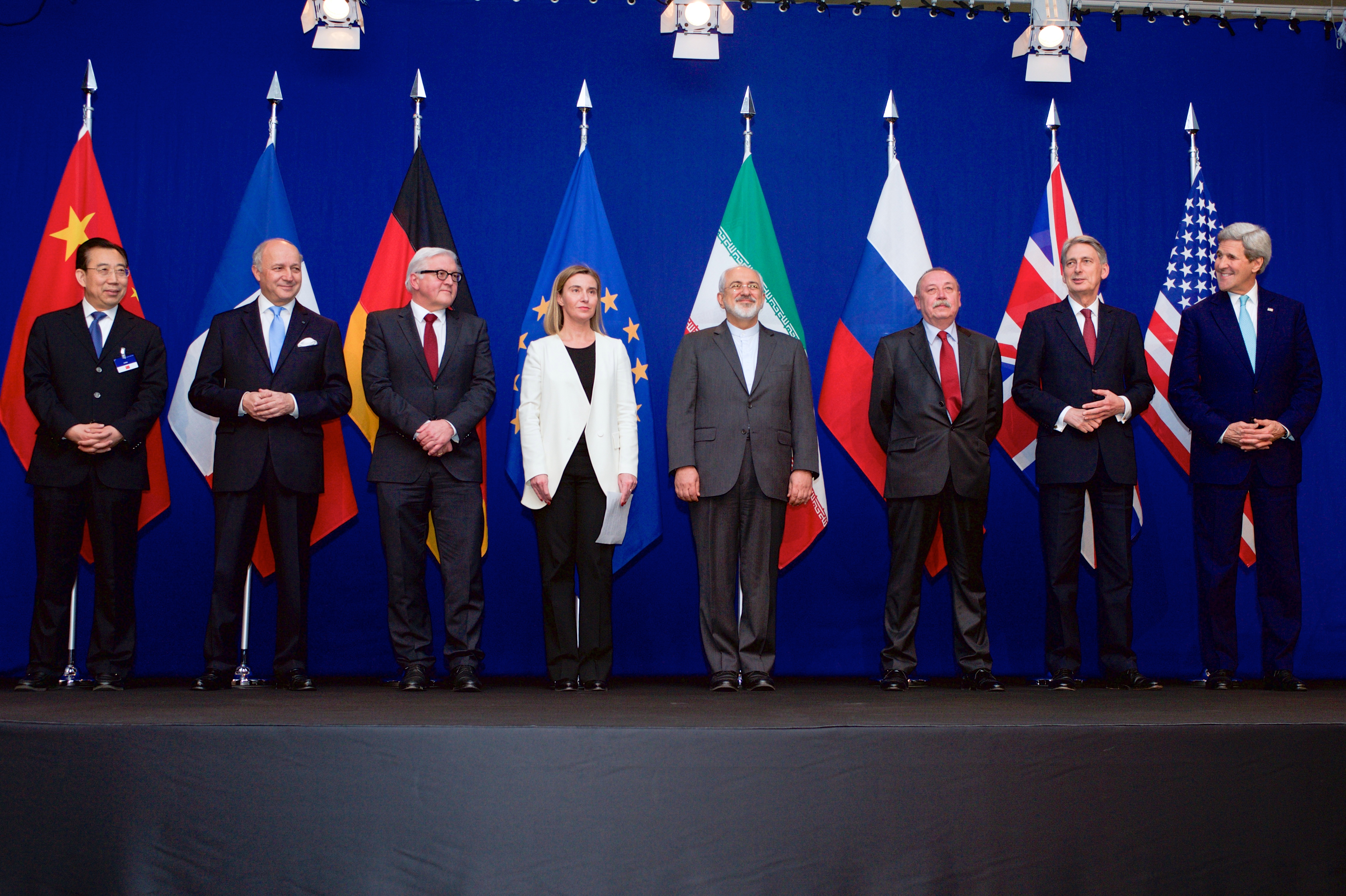
U.S. President Donald Trump said the current understanding with Iran is a memorandum of understanding rather than a final deal [1].
This distinction signals a potential shift in U.S. diplomatic strategy toward Tehran. By characterizing the arrangement as preliminary, the administration maintains flexibility to renegotiate terms, or impose new sanctions, if nuclear proliferation concerns persist.
Trump said the nuclear agreement established during the administration of former President Barack Obama was weak [1, 2]. He said the Obama-era framework was insufficient to prevent Iran from eventually obtaining nuclear capabilities [1, 2].
According to the president, no individual, including Obama, could have secured a truly effective deal with the Iranian government [1]. This critique aligns with a broader effort to distance the current administration from previous diplomatic approaches in the Middle East.
Trump said the expansion of the Abraham Accords is a preferred path for regional stability [2]. He said broader diplomatic progress in the Middle East is necessary to ensure long-term security and curb Iranian influence [2].
The administration's focus remains on creating a more comprehensive agreement that addresses not only nuclear ambitions, but also other regional activities [1, 2]. This approach emphasizes a "maximum pressure" philosophy to force concessions from Tehran before a final treaty is signed.
“The current understanding with Iran is only a memorandum of understanding, not a final deal.”
By defining the current status as a memorandum of understanding, the Trump administration avoids the legal and political constraints of a formal treaty. This allows the U.S. to treat the arrangement as a temporary ceasefire or a stepping stone toward a more restrictive agreement, while simultaneously delegitimizing the previous administration's diplomatic legacy to justify a more aggressive posture.