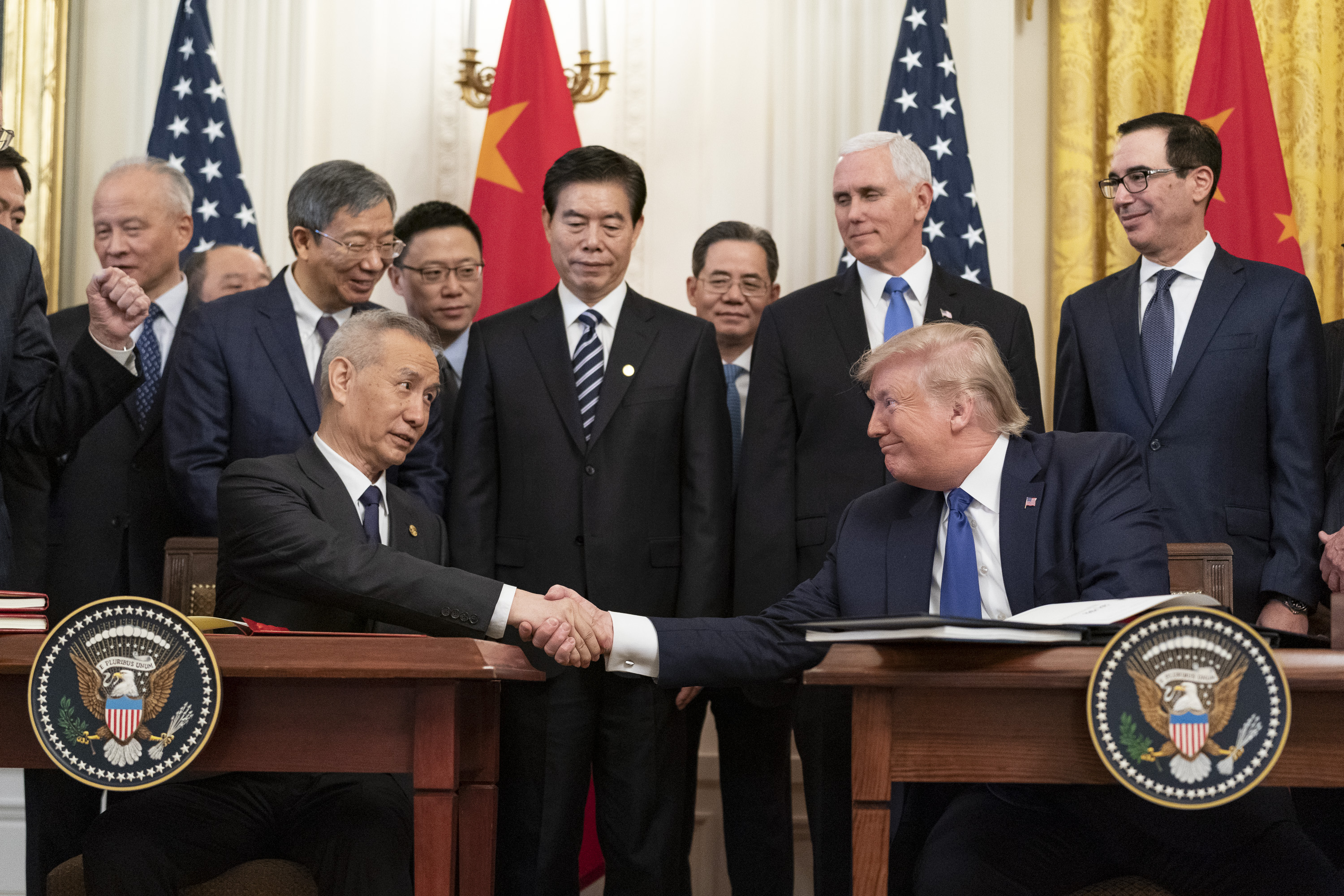
President Donald Trump signed a deal this month to reopen the Strait of Hormuz and begin nuclear negotiations with Iran [1].
The agreement seeks to stabilize one of the world's most critical shipping lanes while attempting to resolve long-standing tensions over Iran's atomic capabilities. By combining immediate maritime access with financial incentives, the administration aims to create a diplomatic pathway to prevent further escalation in the Middle East.
Under the terms of the deal, the U.S. will provide financial incentives to Iran [2]. In exchange, the strategic waterway known as the Strait of Hormuz will be reopened to ensure the flow of global trade [3]. The agreement also establishes a formal timeline for diplomatic engagement regarding Iran's nuclear program [1].
The two nations will enter a period of talks lasting 60 days [1]. These discussions are intended to address the specific constraints and requirements of Iran's nuclear activities. The administration said the deal is a necessary step toward regional peace, though the specific details of the financial incentives remain a point of scrutiny [2].
Republicans have expressed a mix of anticipation and anxiety as they await further details on the arrangement [4]. The move marks a significant shift in U.S. strategy toward Tehran, moving from a policy of maximum pressure toward a negotiated settlement involving economic concessions [3].
Officials said that the primary goal is to secure the shipping lane and lay the groundwork for a comprehensive nuclear agreement [3]. The 60-day window serves as a critical test of whether the two adversaries can reach a sustainable accord [1].
“President Donald Trump signed a deal this month to reopen the Strait of Hormuz”
This deal represents a tactical pivot in U.S. foreign policy by utilizing economic incentives to secure a vital global chokepoint. By linking the reopening of the Strait of Hormuz to a strict 60-day nuclear negotiation window, the administration is attempting to leverage immediate economic relief for Iran to achieve long-term security guarantees regarding nuclear proliferation.


