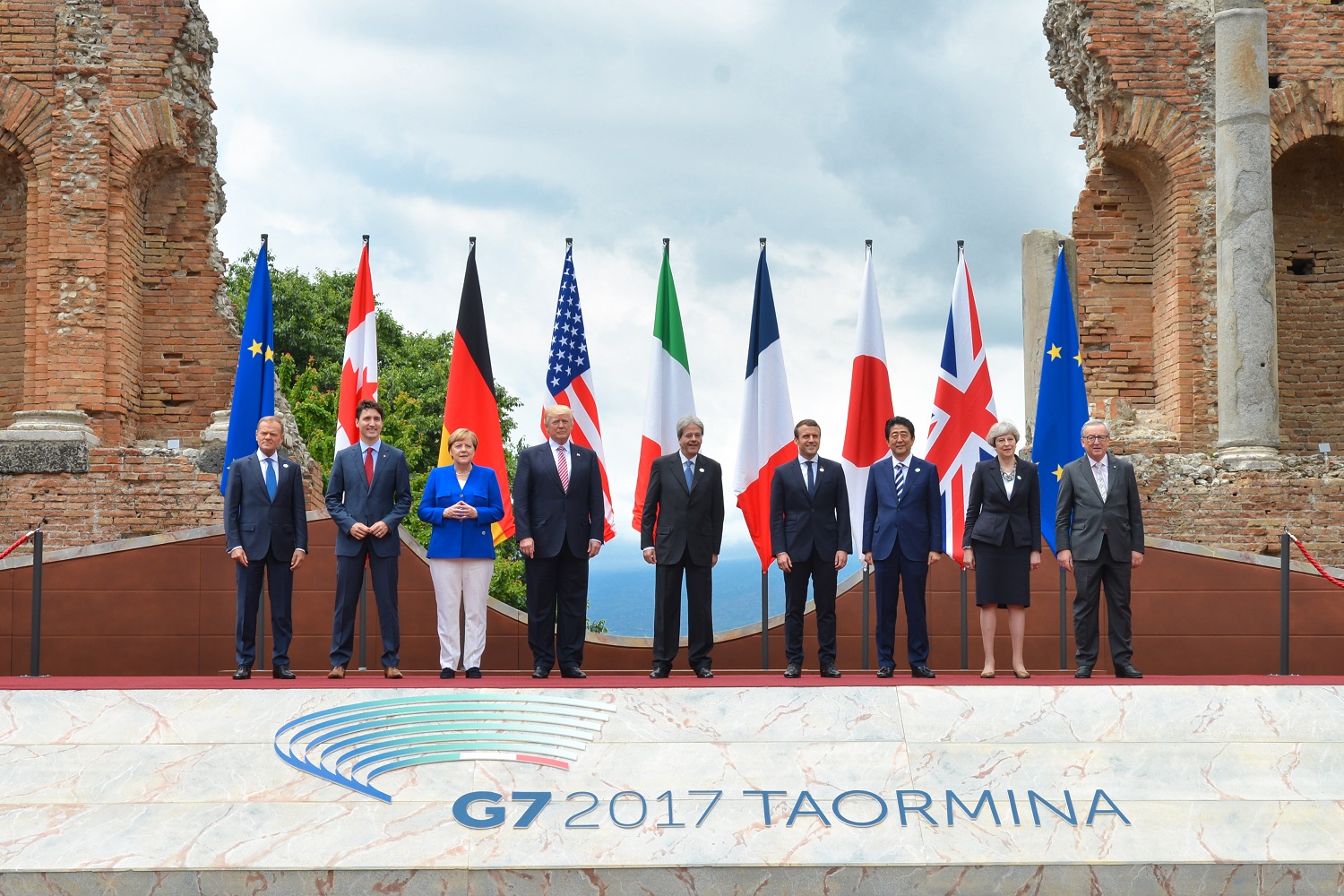
U.S. President Donald Trump and Indian Prime Minister Narendra Modi met during the G7 summit in Évian-les-Bains, France, to discuss trade and defense.
The meeting comes as the two nations navigate friction over energy security and high-technology access. The outcome of these talks could determine whether the U.S. maintains sanctions on Russian oil or eases restrictions on critical defense technology for India.
This was the first meeting between the two leaders in 16 months [1]. Trump said, "I had a very good conversation with Prime Minister Modi" [2]. Other reports said the meeting took place amid mounting tensions and a possible face-off [3].
A primary point of contention involves the U.S. waiver on India's Russian oil purchases. The United States will reimpose sanctions on Russian oil once the waiver expires [4]. India said the waiver remains in effect and is necessary for its energy security [5].
India also raised concerns regarding the transfer of advanced technologies. Modi said, "India is concerned about U.S. restrictions on the transfer of certain high-technology items that are critical for our defence and space programmes" [6].
The bilateral discussions occurred during the G7 summit, which took place from June 15 to 17, 2026 [7]. The leaders focused on resolving ongoing trade disputes and addressing the transfer of sensitive technologies, a key pillar of India's strategic autonomy.
Separate from the trade and oil discussions, the broader regional security context remains volatile. Reports indicate three Indian sailors died in the Strait of Hormuz [8].
“"I had a very good conversation with Prime Minister Modi."”
The meeting highlights a precarious balance in U.S.-India relations. While both leaders emphasize a positive personal rapport, the structural disagreements over Russian energy and technology transfers suggest a clash between U.S. sanctions regimes and India's pursuit of strategic independence. The expiration of the oil waiver specifically tests whether the U.S. will prioritize its geopolitical alignment with India over its economic warfare against Russia.


