President-elect Donald Trump said the United States must prevent China from gaining a foothold in the Panama Canal.
This stance signals a potential shift in U.S. foreign policy toward Latin America and a more aggressive approach to countering Chinese infrastructure investments in the Western Hemisphere.
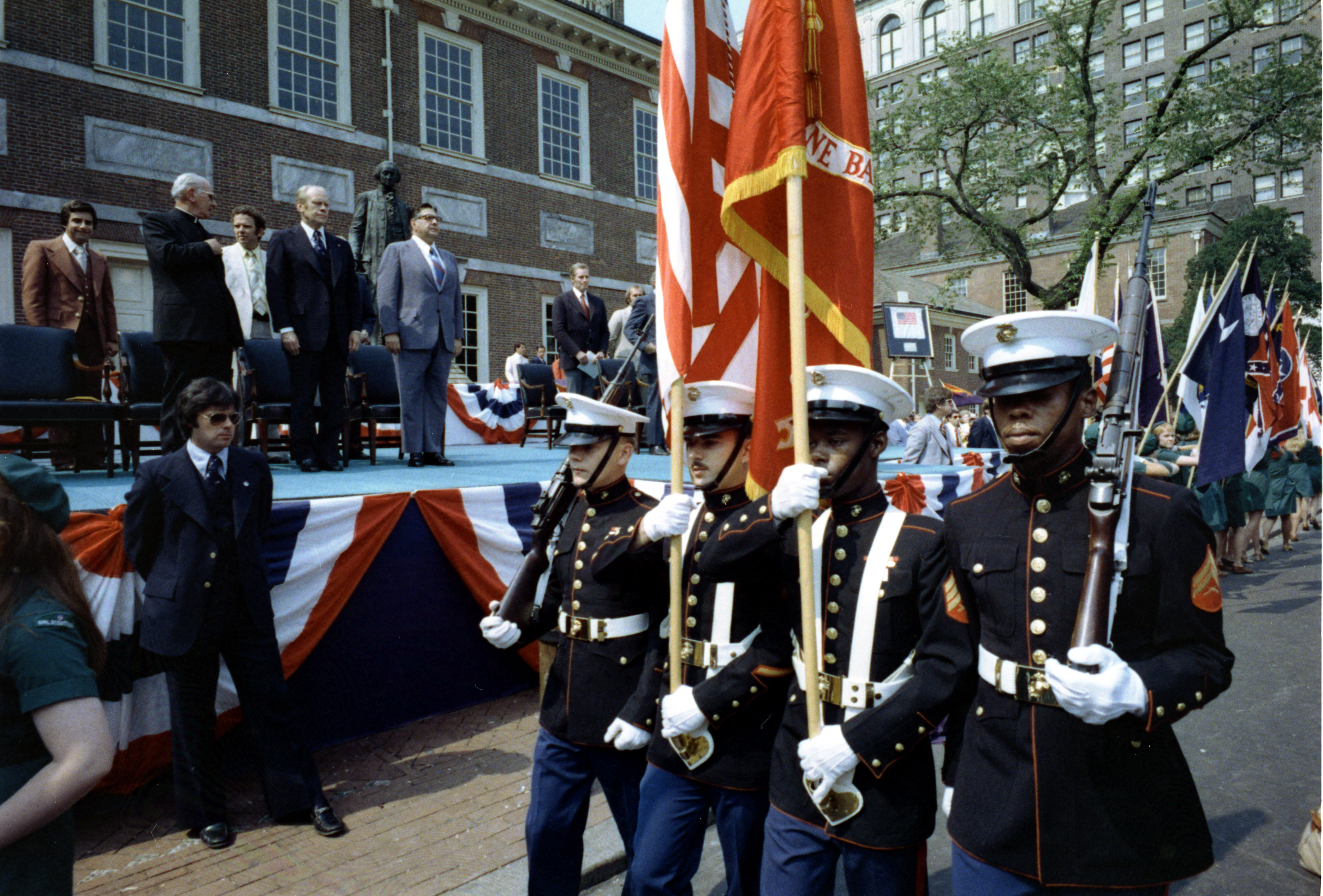
Speaking on Dec. 22, 2024 [3], during the dedication ceremony for the Roosevelt Presidential Library, Trump said the U.S. relinquished control of the canal improperly. He said, "We gave away the canal foolishly, and now we must make sure China never gets a foothold in it" [1].
The U.S. officially transferred control of the waterway to Panama in 1999 [1]. Trump's remarks suggest the U.S. might attempt to regain control to ensure the strategic trade route remains outside of Chinese influence.
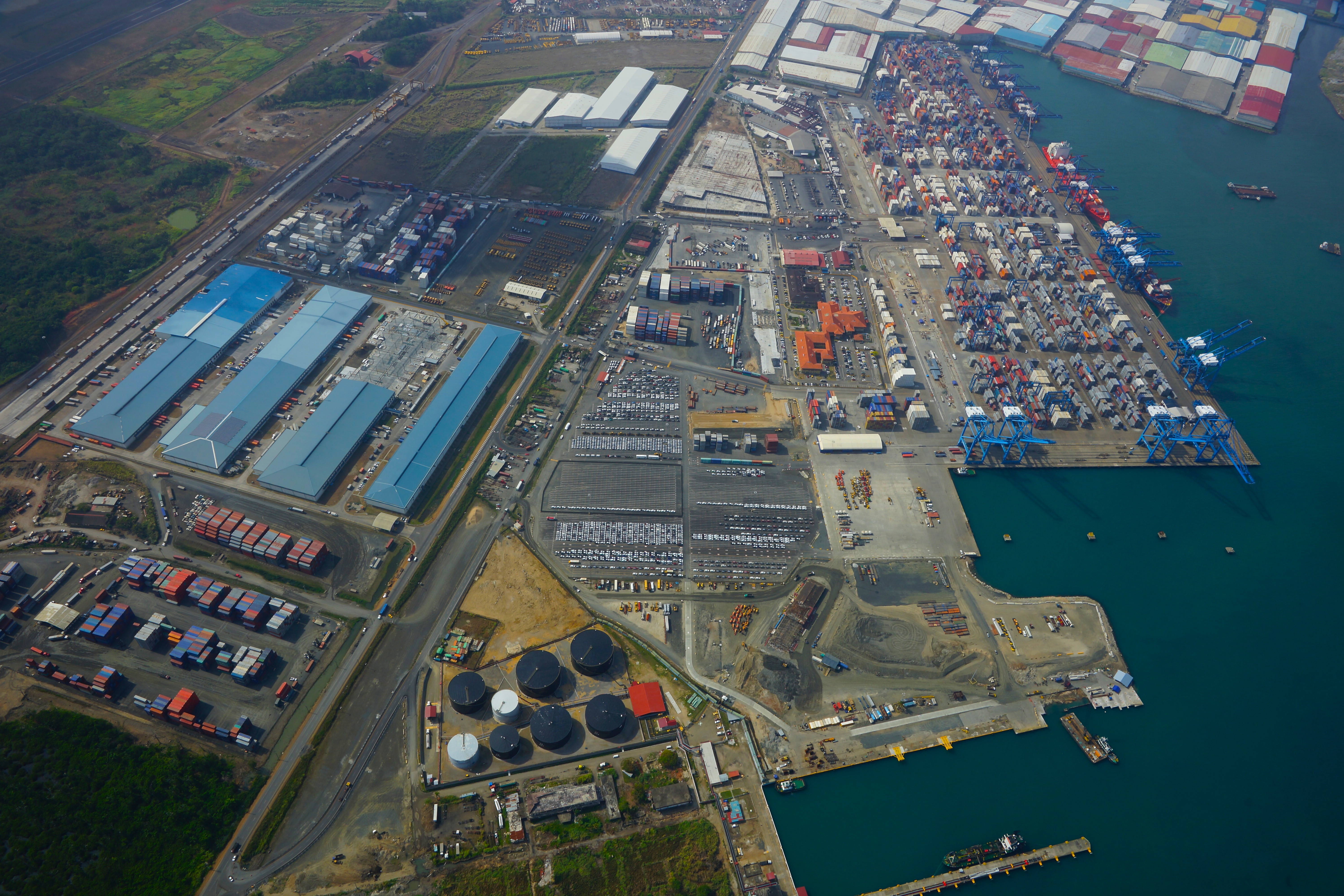
Secretary of State Marco Rubio echoed these concerns. Rubio said, "China has effective control over the Panama Canal, and that is unacceptable for the United States" [2]. While some reports describe China as seeking greater influence, Rubio's assessment suggests a more immediate level of control [2].
The rhetoric prompted a response from regional partners. Latin American leaders rallied to defend Panama after Trump threatened to reimpose U.S. control over the canal [3].
These tensions coincided with Panama celebrating the 25th anniversary of the canal handover in 2024 [4]. The anniversary highlighted the long-standing sovereignty of the waterway, which stands in contrast to the President-elect's suggestion that the 1999 transfer was a mistake [1].
“"We gave away the canal foolishly, and now we must make sure China never gets a foothold in it."”
The Panama Canal is a critical artery for global trade, and U.S. interest in its security is rooted in the Monroe Doctrine's legacy of limiting foreign interference in the Americas. By framing the 1999 handover as a mistake, the Trump administration may be preparing to use economic or diplomatic pressure to limit Chinese operations in Panama, potentially straining relations with Panama and other Latin American nations that view the canal as a symbol of national sovereignty.