President Donald Trump thanked Chinese President Xi Jinping and Russian President Vladimir Putin for remaining neutral in the ongoing war involving Iran [1].
The remarks signal a strategic effort by the U.S. administration to isolate Iran by highlighting a lack of support from other global powers. This stance directly challenges recent G7 assertions regarding a shift in the diplomatic tone surrounding the conflict [5].
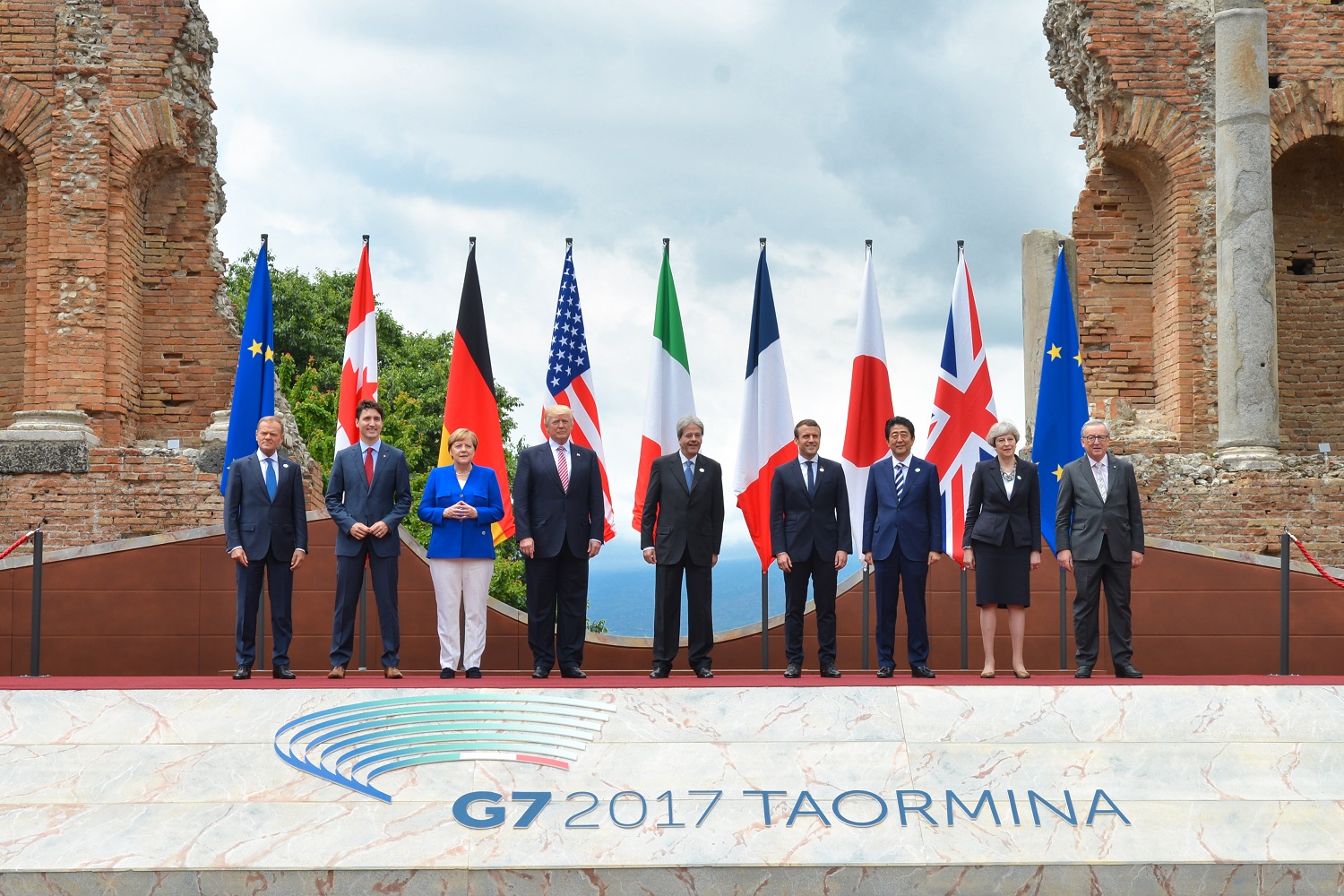
Trump spoke during a one-hour press conference [4] in Bologna, Italy, on June 17, 2024 [2], the day after the G7 summit concluded [2]. During the event, Trump addressed the roles of the two world leaders in the regional crisis.
"I want to thank President Xi and President Putin for staying neutral," Trump said [1]. He also addressed the Russian leader, stating, "Thank you, President Putin, for your neutrality" [3].
The U.S. president aimed to reinforce the American position by emphasizing that neither Moscow nor Beijing had intervened on behalf of Iran [5]. By publicly acknowledging this neutrality, Trump sought to frame the conflict as one where Iran lacks major international allies.
While Trump focused on the neutrality of Russia and China, other G7 members maintained a more critical stance toward the Iranian government. A G7 spokesperson said the group remains united in condemning the aggression of Iran, and will ensure the Strait of Hormuz remains open [1].
The press conference followed a series of high-level meetings in Bologna, where the G7 leaders discussed global security and economic stability. Trump used the platform to pivot from the collective G7 narrative to his own diplomatic assessments of the East [5].
“"I want to thank President Xi and President Putin for staying neutral."”
By praising the neutrality of Russia and China, the U.S. president is attempting to create a diplomatic wedge between Iran and its potential allies. This approach diverges from the standard G7 collective rhetoric, suggesting a preference for bilateral recognition of geopolitical interests over a unified multilateral front in managing the Iranian conflict.