
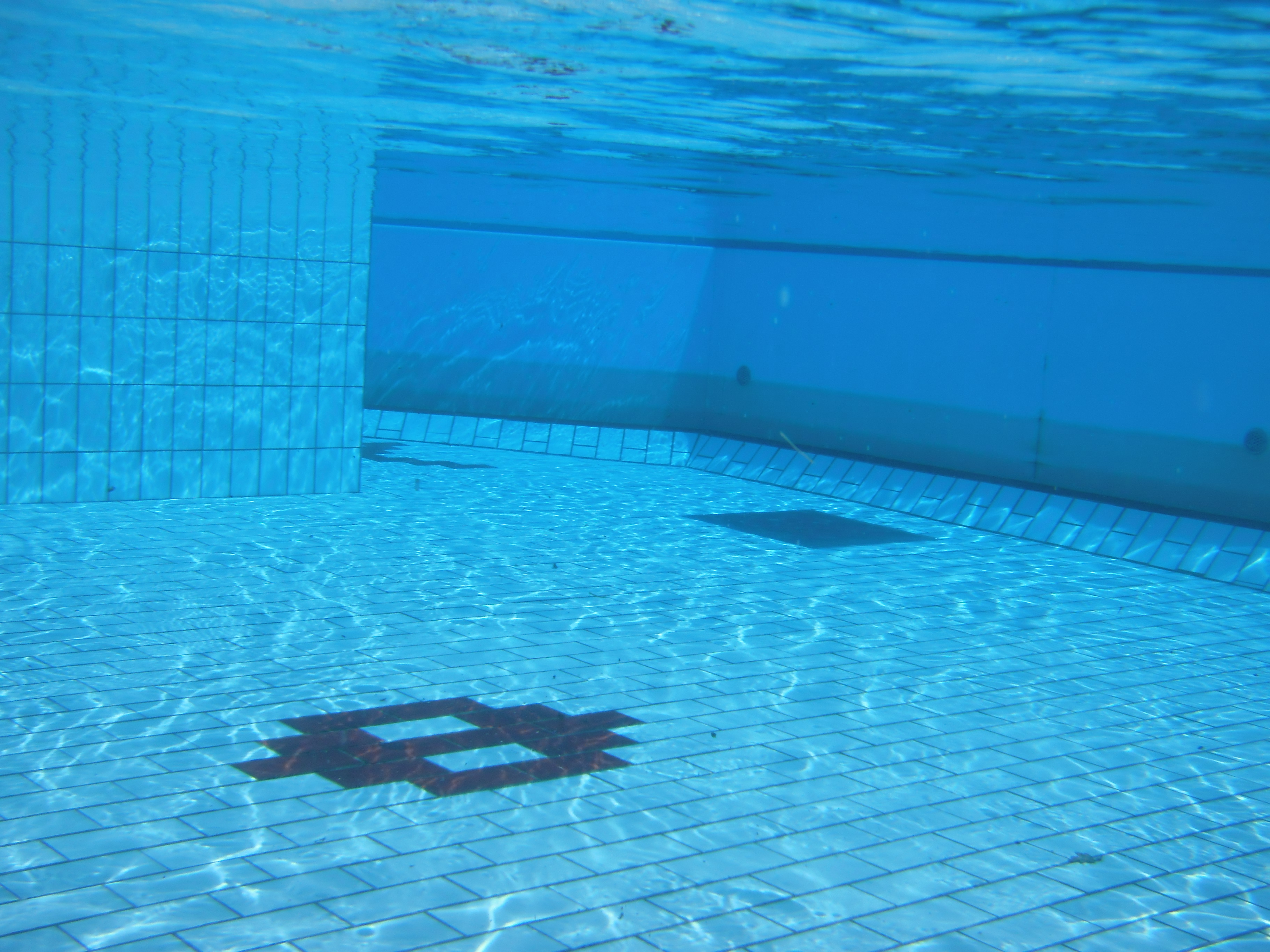
Chess players are competing in matches played on magnetic boards located at the bottom of swimming pools [1, 2].
This hybrid sport requires athletes to master both mental strategy and physical breath-holding, transforming a sedentary game into a test of aerobic endurance. By merging the intellectual demands of chess with the physical constraints of freediving, the discipline creates a new category of competitive athletics.
The matches take place in an aquatic environment where players must dive to the pool floor to make their moves [2, 3]. Because the pieces are magnetic, they remain fixed to the board despite the water currents and the movement of the divers [2, 3].
Recent competitions have expanded the reach of the sport internationally. A world championship recently took place in Poland, where two world champions were crowned [1, 2].
The nature of the game forces players to balance their clock time with their oxygen levels. A player may see a winning move but must decide if they have enough breath to dive, execute the piece movement, and return to the surface safely [2, 3]. This adds a layer of physical risk and urgency to the traditional slow pace of a chess match.
Organizers said that the goal of the event is to combine chess strategy with freediving skill [2, 3]. The result is a novel competitive sport that attracts both divers and chess enthusiasts.
“Chess players are competing in matches played on magnetic boards located at the bottom of swimming pools.”
The rise of underwater chess represents a broader trend in 'extreme' versions of traditional intellectual pursuits. By introducing a physiological limit—the need for oxygen—the sport shifts the competitive advantage from those with the most time to think to those who can maintain cognitive function under physical distress.


