
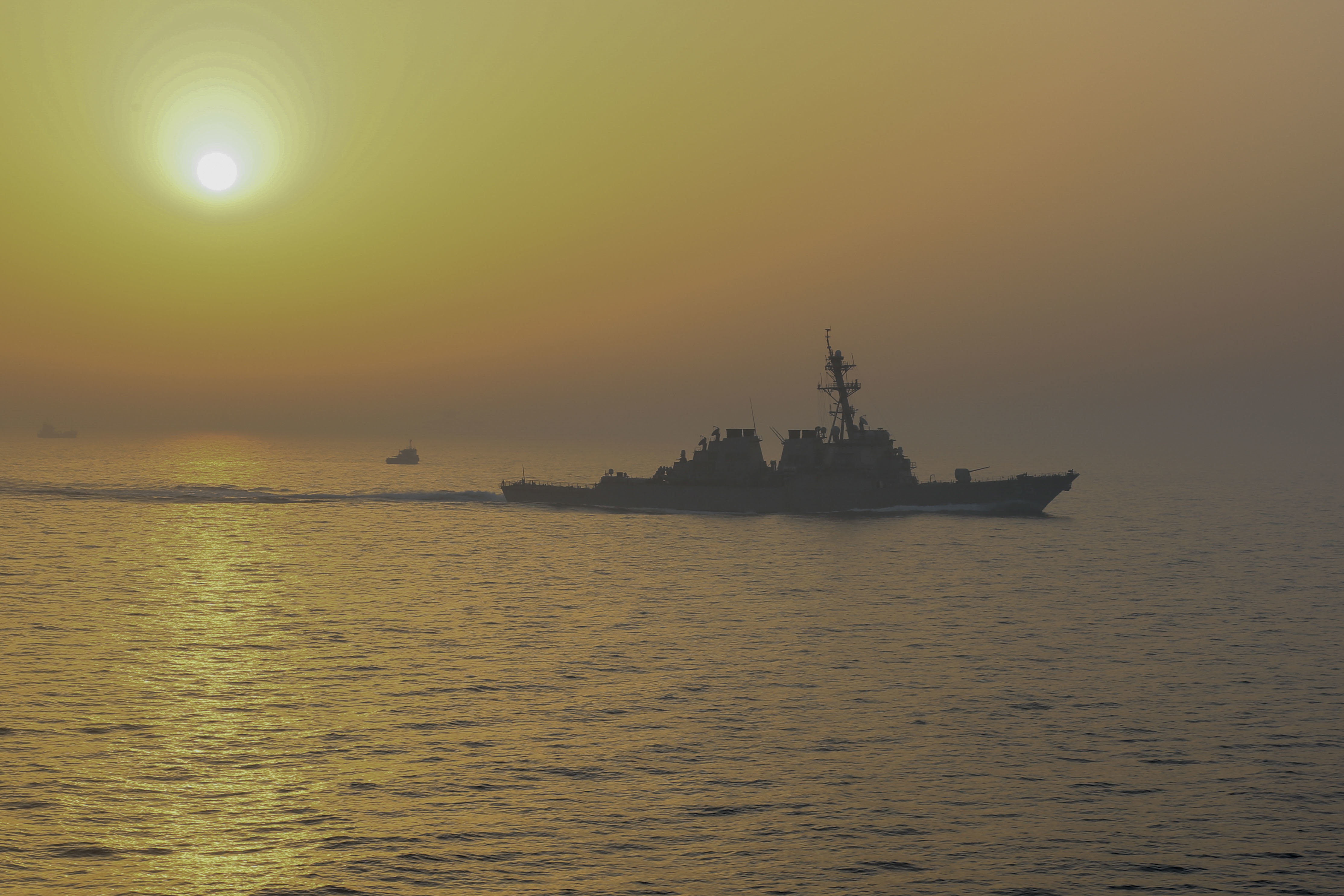
The United States denied reports from Iranian state media that Iranian missiles struck a U.S. warship attempting to enter the Strait of Hormuz [1].
This dispute highlights the persistent volatility of the Strait of Hormuz, a critical maritime chokepoint. Conflicting reports of military engagements in this region can escalate diplomatic tensions or lead to miscalculations between the two nations.
According to Fars, an Iranian state media outlet, the strike occurred as the U.S. vessel attempted to enter the strategic waterway [1]. The outlet said the event was evidence of Iran's defensive capabilities and its ability to monitor and engage foreign naval assets [2].
U.S. Central Command said no such attack took place [3]. The U.S. military said that none of its vessels were hit by missiles in the area [1].
Officials from the U.S. government sought to correct the information circulating via Iranian channels [2]. The denial came shortly after the reports surfaced in May 2024 [1].
Iranian state media has previously used similar reports to signal strength to domestic and international audiences [2]. The U.S. Navy maintains a presence in the region to ensure the free flow of commerce, and navigation through the strait [3].
“The United States denied reports from Iranian state media that Iranian missiles struck a U.S. warship”
This incident underscores the ongoing information war between Washington and Tehran. By reporting a successful strike, Iran attempts to project naval dominance over the Strait of Hormuz, while the U.S. rapid denial serves to maintain the perception of operational security and stability in a region where a single misidentified event could trigger a wider kinetic conflict.


