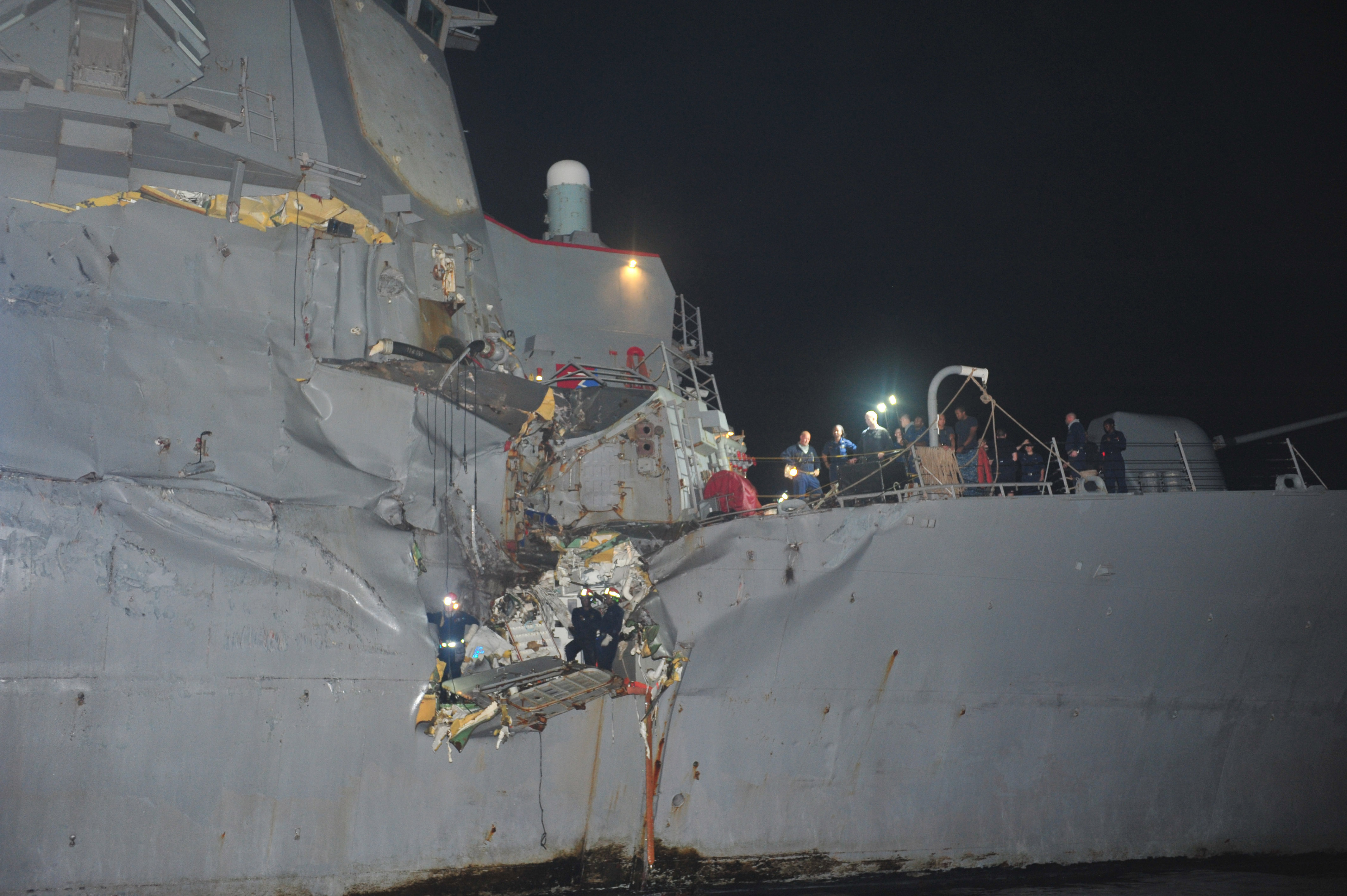
The United States carried out a fifth [1] consecutive day of airstrikes against Iranian-linked military infrastructure on July 14, 2026.
The escalation threatens the stability of the Strait of Hormuz, a critical chokepoint for global energy shipments. Any sustained conflict between the U.S. and Iran could disrupt international trade, and increase the risk of a broader regional war.
U.S. officials said the strikes are intended to degrade the ability of Iran to threaten shipping in the Strait of Hormuz. The military operations targeted infrastructure linked to Iranian forces to neutralize perceived threats to maritime security.
In response, the Islamic Revolutionary Guard Corps warned of further retaliation. Iranian officials said the U.S. attacks are retaliation for earlier U.S. actions, signaling a cycle of escalation between the two militaries.
Reports regarding the specific locations of the strikes vary. Some reports identified targets involving U.S. Fifth Fleet facilities in Bahrain [1]. Other accounts mentioned reported explosions near a U.S. base in Kuwait [2], though these claims remain unverified [2].
Conflicting reports have also surfaced regarding the geography of the campaign. While some sources focused on Bahrain and Kuwait, other reports indicated that U.S. bombs were dropped on targets in Yemen for a fifth time [1].
Despite these contradictions, the Iranian military maintains that it will respond to the continued aggression. The U.S. military has not provided a definitive timeline for when the current series of airstrikes will conclude.
“The United States carried out a fifth consecutive day of airstrikes against Iranian-linked military infrastructure.”
The continued airstrikes signal a shift from deterrence to active degradation of Iranian capabilities. By targeting infrastructure linked to the IRGC, the U.S. is attempting to secure the Strait of Hormuz, but the lack of verified targets in some areas and the Iranian promise of retaliation suggest a high risk of miscalculation that could lead to a direct state-on-state conflict.


