
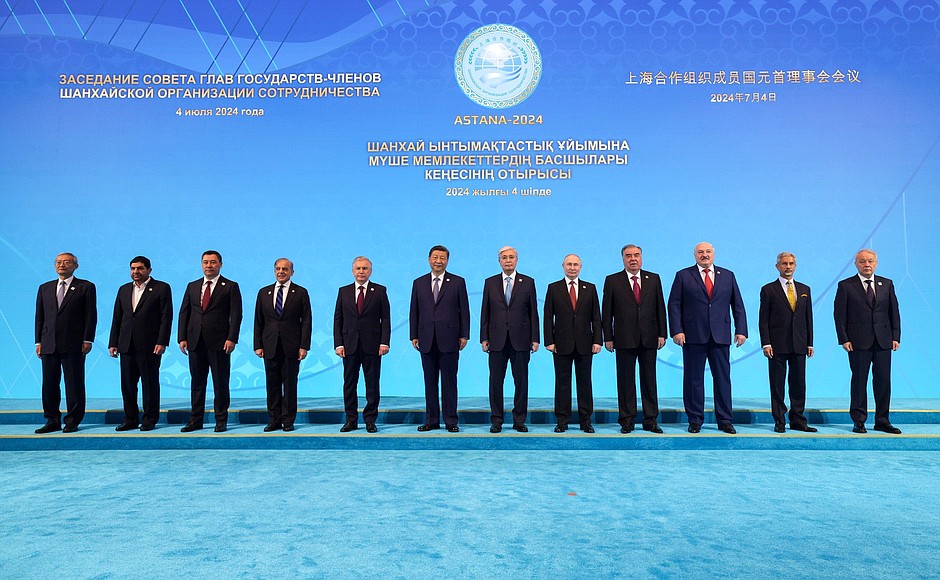
Pakistani Prime Minister Shehbaz Sharif said the United States and Iran are close to finalizing a peace deal to end regional conflict.
The agreement aims to resolve months of war and instability in the Gulf region. A successful resolution would stabilize one of the world's most volatile geopolitical corridors and reduce the risk of direct military escalation between the two powers.
Sharif said that a final agreed-upon text for the deal is already in place [1, 2]. According to the prime minister, the official signing of the agreement is expected to occur within 24 hours [1].
The diplomatic breakthrough follows a period of intense conflict between the U.S. and Iran [1, 3]. The deal is designed to bring a formal end to the hostilities that have characterized the relationship between the two nations in recent months [1, 3].
While the specific terms of the memorandum have not been publicly released in full, the agreement of the text suggests that the primary points of contention have been resolved [2]. The announcement comes as Pakistan continues to monitor the security landscape of the Gulf region closely.
Official representatives from the U.S. and Iran have not yet issued a joint statement confirming the timeline provided by the Pakistani leader. However, the prime minister's confirmation of the final text indicates that the negotiations have moved past the drafting phase and into the final implementation stage [1, 2].
“The United States and Iran are close to finalising a peace deal”
This potential agreement represents a significant shift in Middle Eastern diplomacy, moving from active conflict toward a structured peace. If signed, it could lead to a reduction in military presence in the Gulf and a thawing of relations that have been frozen by sanctions and proxy conflicts, though the long-term stability of the deal depends on the specific concessions made in the final text.


