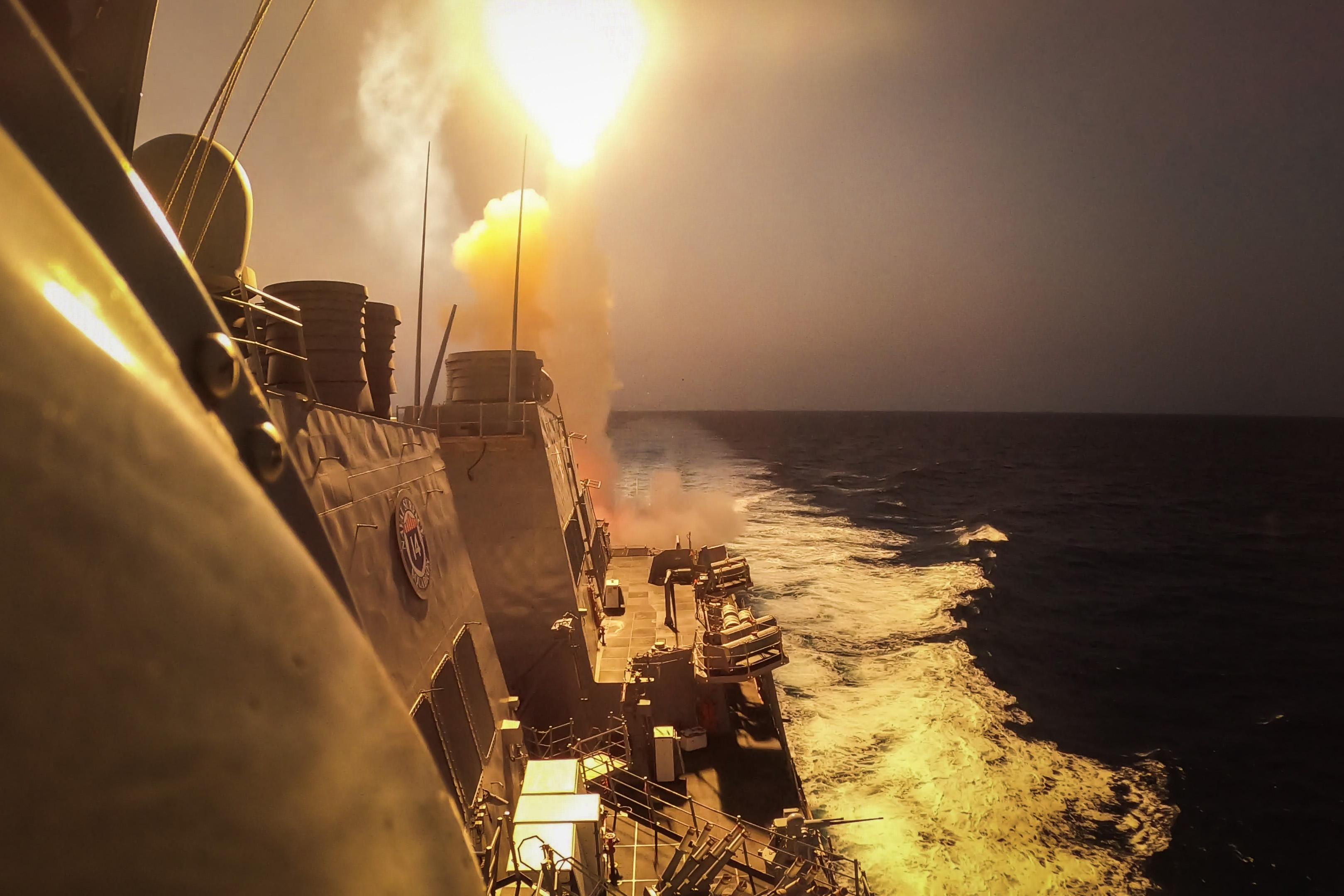
The conflict between the U.S. and Iran has expanded into the Red Sea following Houthi attacks on commercial shipping vessels.
This escalation threatens the stability of global energy markets and critical trade routes. The shift in hostilities toward the Red Sea and the Strait of Hormuz creates immediate volatility for oil prices and international bond markets.
Recent reports indicate that Iran struck three commercial vessels [1]. These actions have triggered retaliatory strikes and increased tensions in the region. While some reports suggest positive progress in diplomatic talks, other accounts said that a potential ceasefire is close to collapse as the two militaries continue to target each other [1].
The economic impact was immediate. Oil prices surged to $98 per barrel [2], with some reports indicating prices hit $100 per barrel [2] following the Red Sea attacks. These spikes reflect investor fears regarding the security of oil transit through the Strait of Hormuz, a primary artery for global energy supplies.
Beyond the energy sector, the broader economic climate is shifting. Alphabet has raised its capital-spending forecast to as much as $205 billion for 2026 [3]. This increase in spending comes as global markets grapple with the geopolitical instability caused by the U.S.-Iran hostilities.
Iran-backed Houthi rebels have used attacks on commercial ships to pressure Saudi Arabia and reflect the wider conflict with the U.S. [1]. The blockade and subsequent strikes have created a high-risk environment for commercial shipping, forcing vessels to navigate more dangerous or costly routes to avoid the conflict zone.
“The conflict between the U.S. and Iran has expanded into the Red Sea”
The expansion of the conflict into the Red Sea transforms a bilateral military struggle into a global economic risk. By targeting commercial shipping and the Strait of Hormuz, the actors involved can exert pressure on the global economy regardless of direct military engagement. The volatility in oil prices and the shift in corporate capital spending suggest that markets are pricing in a prolonged period of instability in the Middle East.