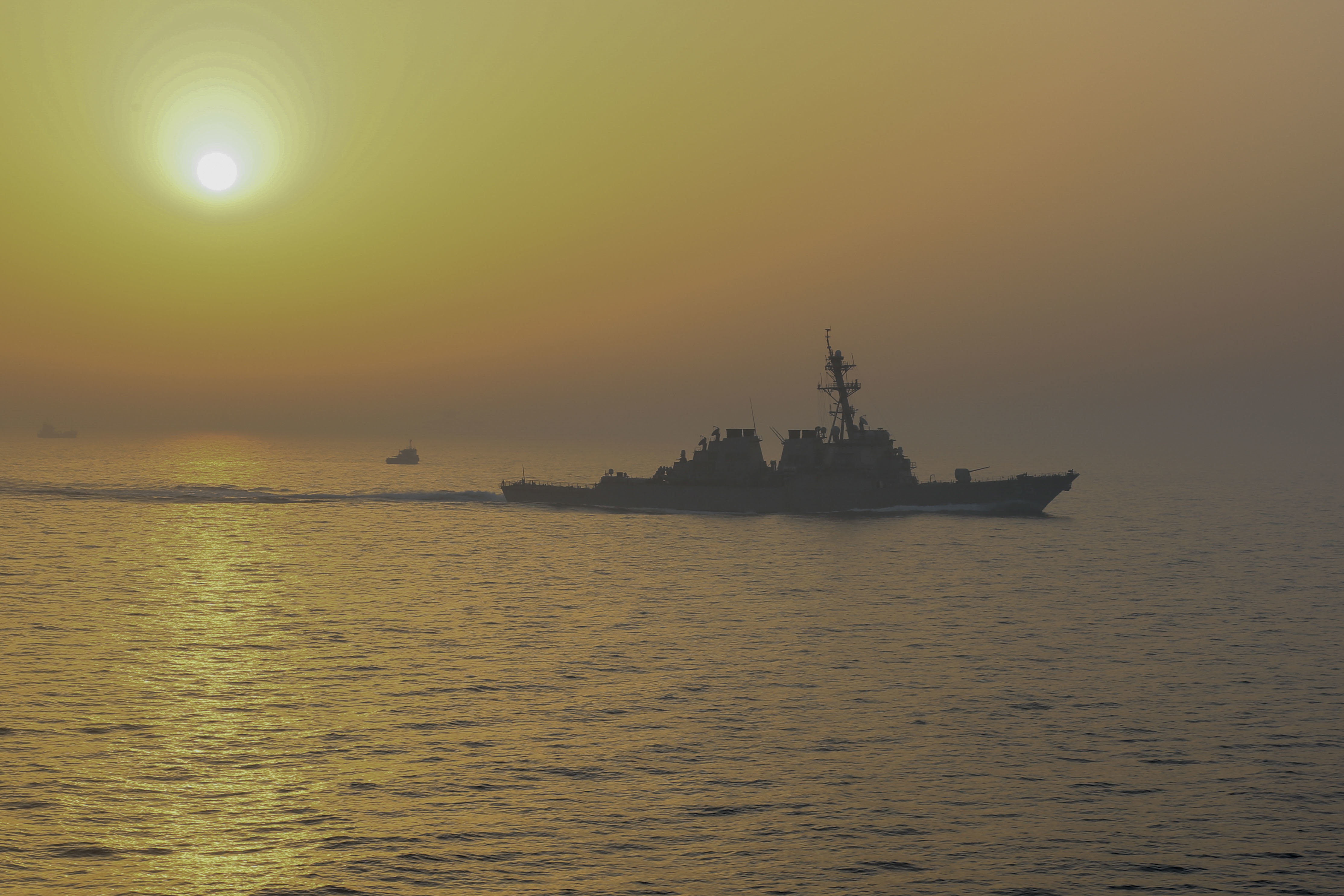
U.S. forces attacked and disabled two Iranian oil tankers in the Strait of Hormuz on Friday, May 7, 2026 [1].
The operation occurs during a period of severe instability in the Persian Gulf, where control over shipping lanes directly impacts global energy prices. Because the Strait of Hormuz is a primary artery for international trade, any disruption threatens the stability of the global economy.
The attacks took place near Dubai in the United Arab Emirates [1, 2]. The U.S. Pentagon targeted the vessels to protect commercial navigation and respond to previous Iranian actions, officials said [3, 4]. The strike successfully disabled two tankers [1].
This escalation is part of a broader conflict between the U.S. and Iran. Reports on the duration of this conflict vary significantly. One source said the war had lasted almost two weeks [3], while another report indicated the conflict had reached day 70 [4].
The strategic importance of the region cannot be overstated, as approximately 20% of the world's oil passes through the Strait of Hormuz [3]. The U.S. has maintained that its presence in the Persian Gulf is necessary to ensure the free flow of commerce, and to counter Iranian efforts to restrict oil shipments.
Iranian officials have not provided a formal tally of casualties from the May 7 strikes, but the disabling of the tankers represents a significant blow to their maritime logistics. The region remains on high alert as both nations maintain naval assets in the area.
“U.S. forces attacked and disabled two Iranian oil tankers in the Strait of Hormuz”
The targeting of oil tankers in one of the world's most critical chokepoints signals a shift from diplomatic tension to direct kinetic engagement. With a fifth of the global oil supply at risk, these actions could trigger volatility in energy markets and force international shipping companies to seek costlier alternative routes, further destabilizing the regional economy.