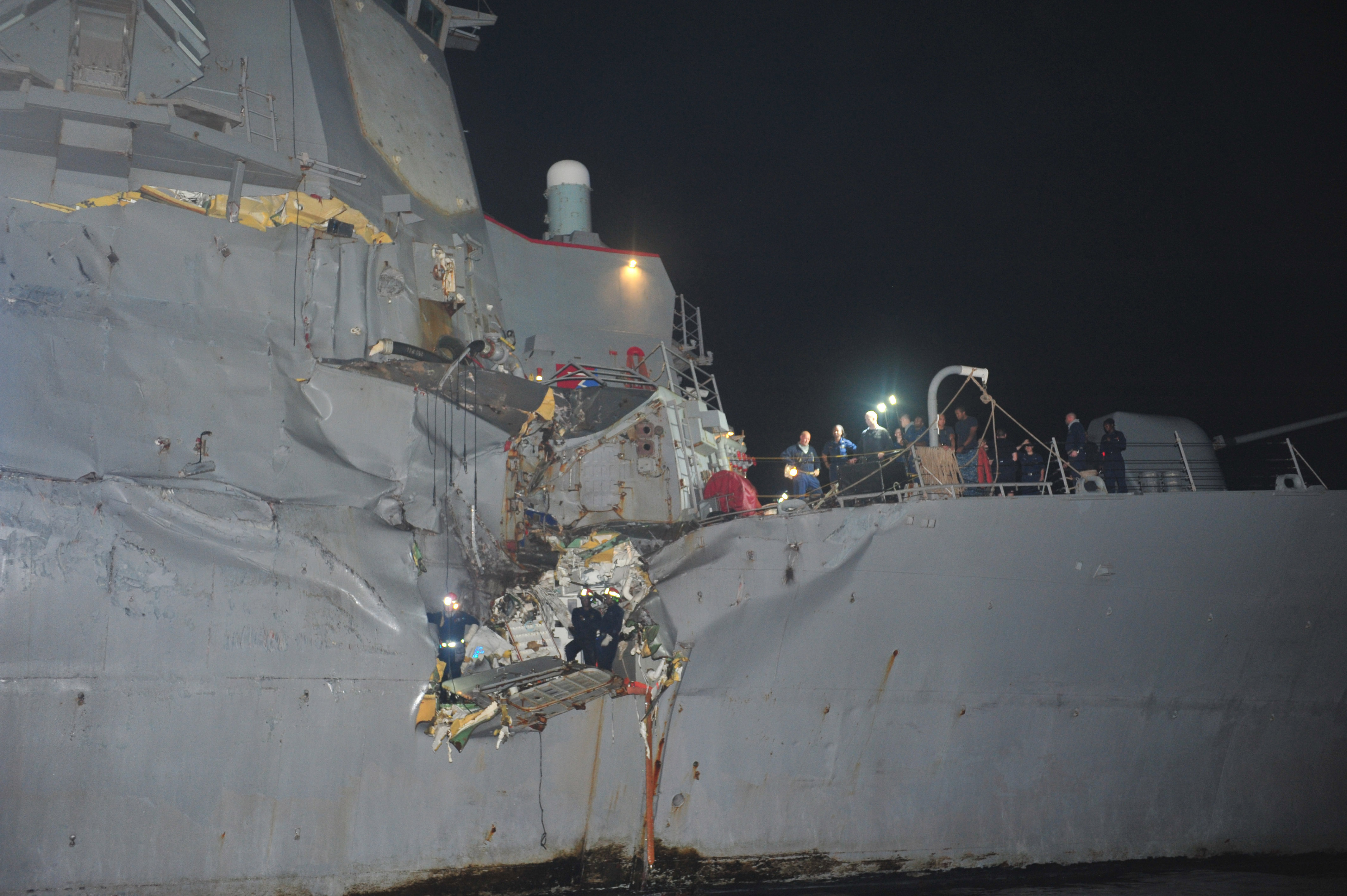
The United States launched airstrikes on Iranian targets while Iran fired at commercial vessels in the Strait of Hormuz this week [1, 2].
This escalation threatens one of the world's most vital maritime corridors, where the Persian Gulf meets the Gulf of Oman. Because the waterway is essential for global energy shipments, any prolonged conflict risks destabilizing international oil markets and disrupting trade.
The renewed fighting has entered its sixth day [3]. The U.S. military said the strikes are intended to degrade the ability of Iran to threaten commercial shipping [1, 4]. In response, Iran said it is defending its control of the waterway [1, 4].
The conflict has already impacted civilian maritime activity. One crew member was reported missing after an Iranian strike on a container ship in the Strait of Hormuz [5].
Naval tensions increased further on Tuesday, July 14, 2026, when the U.S. announced it would begin a blockade of Iranian ships [4]. Other reports indicate the U.S. has restored the blockade following Iranian attacks on shipping vessels [5].
While the U.S. continues to unleash strikes, some reports suggest both nations have left the door open to negotiations to end the war [6]. The current cycle of violence follows a series of exchanges that have intensified throughout mid-July [2, 5].
“The renewed fighting has entered its sixth day.”
The transition from targeted airstrikes to a naval blockade represents a significant escalation in the U.S.-Iran confrontation. By restricting ship movements in the Strait of Hormuz, the U.S. is utilizing a high-pressure economic and military lever to force Iranian compliance, while Iran's targeting of commercial vessels signals its willingness to risk global economic instability to maintain regional control.


