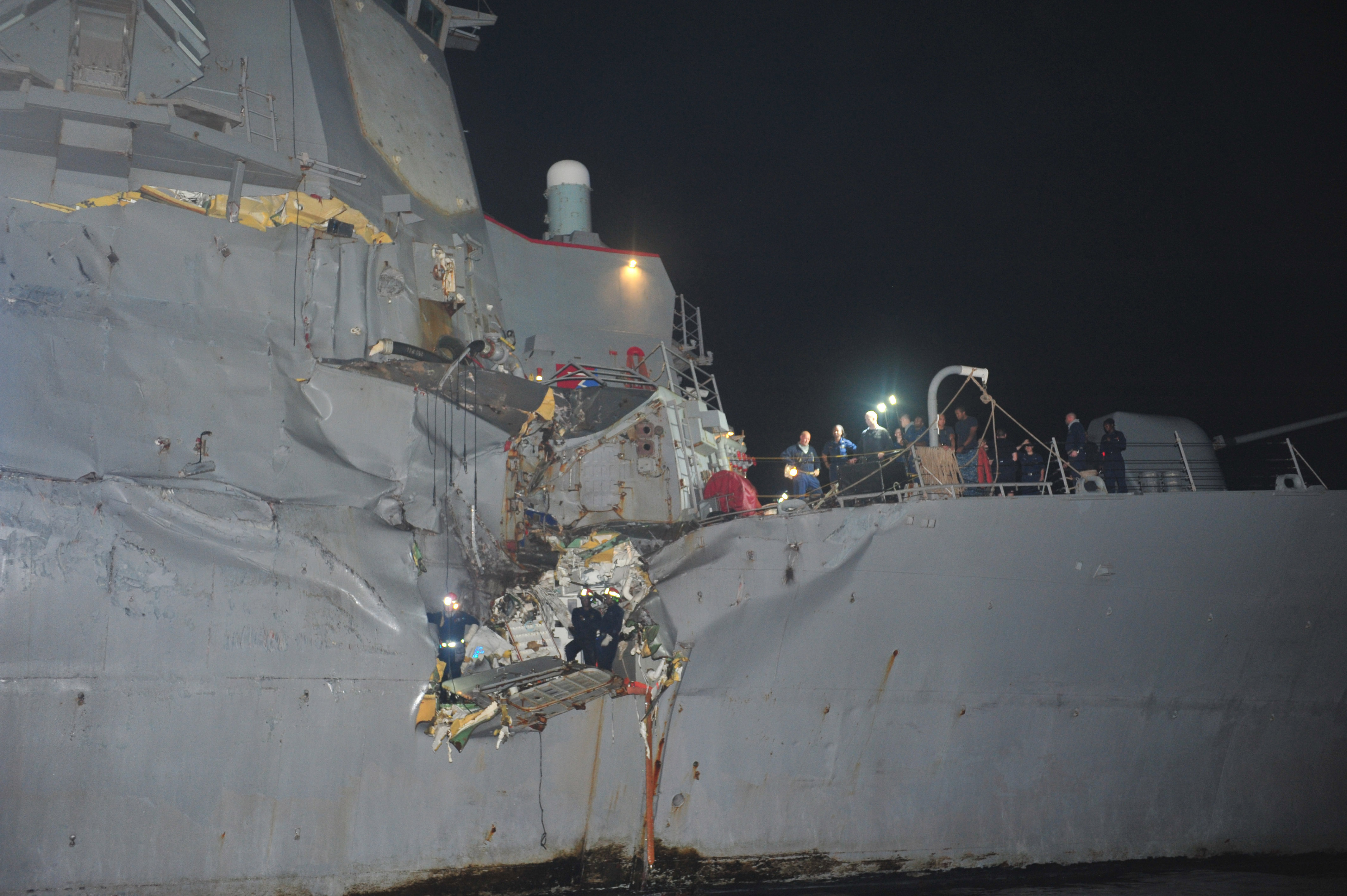
The U.S. launched retaliatory strikes against Iran on Sunday after the Revolutionary Guard attacked commercial vessels in the Strait of Hormuz.
The escalation threatens one of the world's most critical oil transit chokepoints. Any prolonged closure of the waterway could disrupt global energy markets and increase the risk of a direct military confrontation between Washington and Tehran.
According to reports, the Iranian Revolutionary Guard struck merchant ships early Wednesday, July 12, 2026 [1]. The attack occurred near Qeshm Island, which is the largest island in Iran [2]. One of the targeted vessels was a containership that caught fire following the strike [3].
While some reports initially indicated a single vessel was hit, other sources said that three merchant ships were struck during the incident [4]. These contradictions highlight the volatility of the situation as maritime security agencies assess the damage.
Iran said the vessels were using an unauthorized route to justify the action [5]. This claim comes amid broader tensions over maritime security in the Gulf, where Iran has frequently challenged the presence of foreign naval forces.
In response to the maritime attack, the U.S. military conducted strikes against Iranian targets [6]. The U.S. action was a direct response to the targeting of commercial shipping in international waters. Following these events, Iran declared the waterway closed [7].
The incident has prompted further diplomatic friction, with Tehran lashing out at Gulf Arab states [8]. The region remains on high alert as naval forces from multiple nations monitor the Strait of Hormuz for further hostilities.
“The U.S. launched retaliatory strikes against Iran on Sunday after the Revolutionary Guard attacked commercial vessels.”
The closure of the Strait of Hormuz by Iran, following a cycle of attacks and U.S. retaliatory strikes, represents a severe escalation in regional instability. Because a significant portion of the world's petroleum passes through this narrow corridor, the move creates immediate economic pressure on global oil prices and forces international shipping companies to seek costlier alternative routes.


